
Are Legacy Cabinets Good Quality? The Brutal Truth
Choosing kitchen cabinets feels like a high-stakes game. You’re pouring a significant portion of your renovation budget into boxes that need to look good, function flawlessly, and withstand years of daily use. Get it right, and your kitchen is a dream; get it wrong, and you’re stuck with a costly mistake.
Many homeowners find themselves looking at Legacy Cabinets, a brand that promises a compelling blend of style and affordability. But the core question remains: are Legacy Cabinets good quality, or is it just a clever illusion? This guide cuts through the noise to give you the unvarnished truth.
You'll Learn About
Decoding Cabinet Quality: The Universal Checklist
Before putting any single brand under the microscope, it’s crucial to understand what “good quality” actually means in the world of cabinetry. A beautiful door can hide a world of structural problems. Here are the non-negotiable elements that separate durable, long-lasting cabinets from those destined for an early demise.
Cabinet Box Construction: The Unseen Foundation
The box is the literal foundation of your cabinet. The primary debate is always plywood versus particleboard (MDF). Plywood is made from layers of wood veneer, giving it superior structural strength and moisture resistance. Particleboard, made from compressed wood particles and resin, is cheaper but more susceptible to water damage and can sag over time under heavy loads.
Construction methods matter, too. Look for solid corner reinforcements and sturdy I-beam braces, not just flimsy plastic corner blocks which are a hallmark of lower-end options.
Drawers and Doors: The Parts You Touch Every Day
This is where craftsmanship, or the lack thereof, becomes immediately obvious. For drawers, the gold standard is solid wood construction with dovetail joints. This interlocking method is incredibly strong and a clear sign of quality. Stapled particleboard drawers simply won’t last.
For doors, solid hardwood frames are a must for stained finishes. For painted finishes, high-quality MDF is often preferred because it’s a stable substrate that resists the cracking that can occur with wood’s natural expansion and contraction. The quality of the finish itself is paramount; a multi-step, catalyzed conversion varnish will resist chipping and wear far better than a simple coat of paint.
Hardware: The Engine of Your Cabinets
Hardware is the functional core of your cabinets. Soft-close hinges and full-extension, soft-close drawer glides are no longer a luxury—they are the standard for any quality cabinet line. These features prevent slamming, reduce wear and tear, and provide easy access to the entire drawer. Reputable brands like Blum or Grass are a good indicator of quality components.
Legacy Cabinets Under the Microscope: A Detailed Breakdown
Now, let’s apply that quality checklist directly to Legacy Cabinets. Legacy operates in the semi-custom space, offering different tiers of construction to hit various price points. Understanding these tiers is key to getting the quality you expect.
Construction Tiers: From Good to Best
Legacy offers several series, with the most notable being Advantage, Debut, and the top-tier Presidential line. The primary difference lies in the materials. While the base-level Advantage series may use particleboard as standard, Legacy offers all-plywood construction (APC) as an upgrade across its lines. Opting for this upgrade is one of the most important decisions you can make to ensure long-term durability.
Their Presidential series comes standard with all-plywood construction, making it their premier offering. For anyone concerned about longevity, especially in moisture-prone areas around sinks and dishwashers, the plywood upgrade is essential.
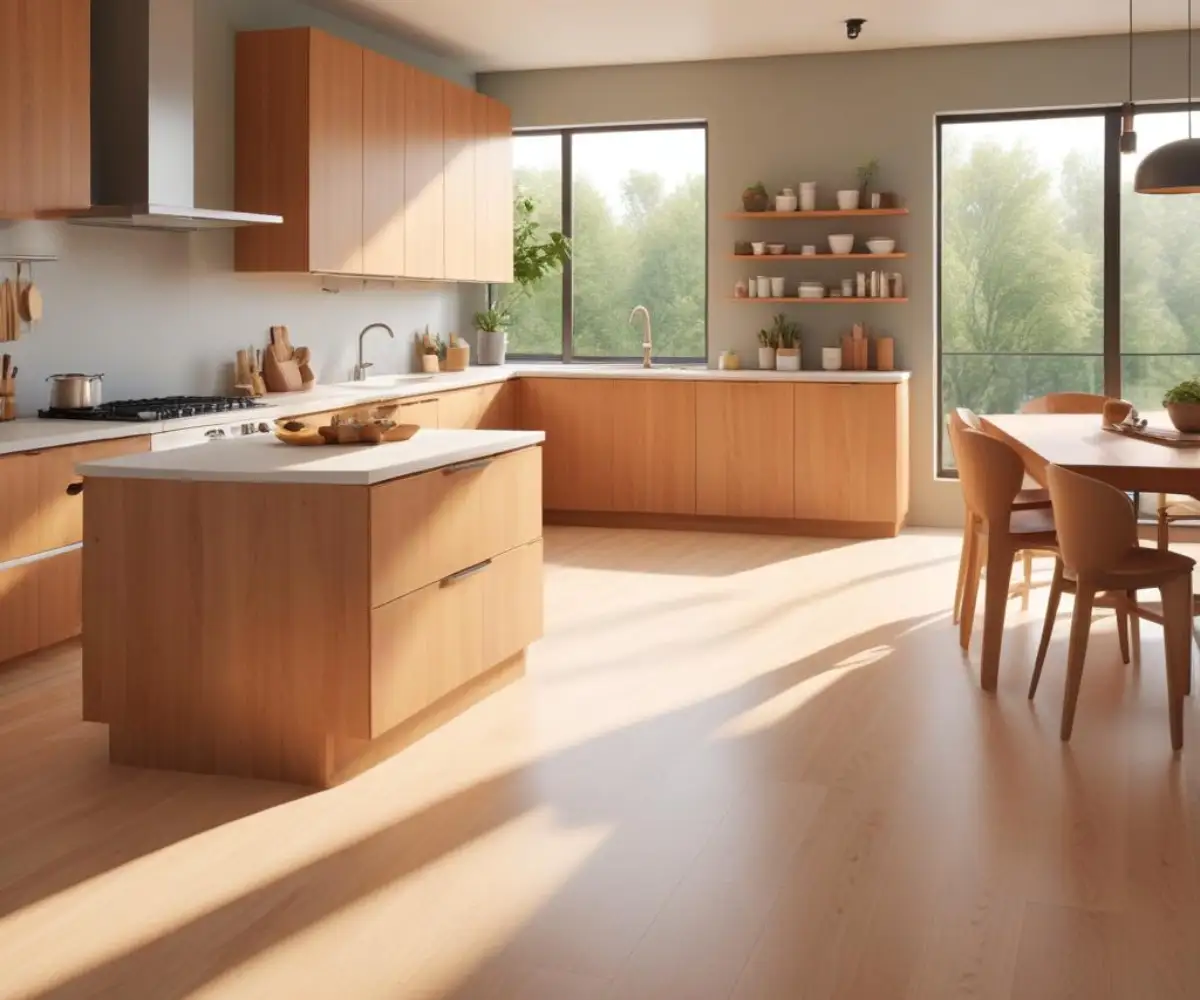
Finish Quality: The Protective Shield
A cabinet’s finish is its first line of defense against kitchen splatters, sunlight, and daily wear. Just as choosing between top paint brands is critical for your walls, a cabinet’s finish determines its lifespan. When you’re weighing options, remember that a superior factory finish provides a durability that’s hard to replicate; it’s a key factor to consider, much like when you compare Farrell Calhoun vs Sherwin Williams for a house project.
Legacy utilizes a multi-step finishing process that includes a catalyzed conversion varnish topcoat. This creates a hard, durable surface that resists moisture, chemicals, and yellowing over time, putting them on par with other reputable mid-range cabinet manufacturers.
Hardware and Functionality: The Moving Parts
Here is a major strength for Legacy. They partner with quality manufacturers like Grass America and Blum, offering soft-close hinges and drawer glides as a standard feature on their Debut and Presidential series. This is a significant value proposition, as some competitors still charge extra for these essential upgrades.
The smooth, silent operation of this hardware elevates the user experience to a more premium level. It’s the kind of functional quality you’d expect when comparing high-end appliances, such as the whisper-quiet performance found in a Cove vs Bosch dishwasher.
Legacy Cabinets vs. The Competition: A Head-to-Head Look
To put Legacy’s quality in context, it’s helpful to see how they stack up against other common options. This table provides a snapshot of where Legacy typically fits in the market.
| Feature | Legacy Cabinets (Presidential Series) | Big Box Store Brand (Stock) | High-End Custom Brand |
|---|---|---|---|
| Box Construction | All-Plywood Standard | Particleboard (Plywood upgrade may be available) | 3/4″ Plywood or Custom Materials |
| Drawer Box | Solid Wood, Dovetail Joints | Stapled Particleboard or Plywood | Solid Wood, Dovetail Joints |
| Hardware | Soft-Close Hinges & Glides (Standard) | Standard Hinges (Soft-close is an upgrade) | Premium Soft-Close (e.g., Blum Tandembox) |
| Finish | Catalyzed Conversion Varnish | Varies (Often Thermofoil or basic paint) | Multi-Step, Hand-Applied Finishes |
| Customization | Semi-Custom (Size modifications available) | Limited to Stock Sizes | Fully Custom (Any size, shape, color) |
| Price Point | Mid-Range | Low to Mid-Range | High-End / Premium |
The Hidden Factor: Why Your Dealer and Installer Matter Most
Here is a truth that most cabinet reviews completely miss: the quality of your finished kitchen is only 50% product and 50% process. You can buy the most expensive cabinets in the world, but a poor kitchen design and shoddy installation will make them look and feel cheap. Conversely, a skilled team can make well-chosen, mid-range cabinets perform like a high-end custom job.
Your Dealer Is Your Project Quarterback
A great cabinet dealer does more than just sell you boxes. They are kitchen designers who will measure your space meticulously, create a functional layout, and help you navigate the hundreds of choices involved. They catch potential problems—like appliance door clearance or awkward corner access—before they become expensive realities. Choosing an experienced, reputable dealer is just as important as choosing the cabinet brand itself.
Installation Is Everything
Even the best cabinets will fail if they aren’t installed correctly. Improper installation is the number one cause of misaligned doors, uneven gaps, and drawers that don’t close properly. A professional installer ensures that every cabinet is perfectly level, plumb, and securely fastened to the wall studs. This meticulous work guarantees that doors hang correctly and drawers glide smoothly for years to come.
Thinking about the longevity of an installation is crucial. It’s similar to deciding whether to repair or replace an appliance; the right choice upfront saves immense trouble later. Making a sound decision on your installer is as critical as knowing when it’s time to move on from an old Maytag stackable washer and dryer.
The Verdict: Are Legacy Cabinets a Good Quality Investment?
After a thorough analysis, the answer is a confident yes—Legacy Cabinets are a good quality option, provided you make informed choices. They represent a solid value in the mid-range cabinet market, successfully bridging the gap between budget-friendly stock options and expensive custom builds.
Their strength lies in offering premium features like standard soft-close hardware and the crucial option for all-plywood construction. When you select their higher-tier lines, you are getting a product built with materials and components designed for durability and a high-end user experience.
Your Action Plan for Success
To ensure your Legacy Cabinets project results in a kitchen you love, follow these simple steps:
1. Prioritize Plywood: Always opt for the all-plywood construction (APC) upgrade. It’s the single best investment you can make in the structural integrity of your kitchen.
2. Vet Your Dealer: Don’t just shop for cabinets; shop for a kitchen designer. Look for experienced dealers with a strong portfolio and positive reviews.
3. Hire a Pro Installer: Resist the temptation to save a few dollars with a handyman. A dedicated, professional cabinet installer is worth their weight in gold for achieving a flawless finish.
Ultimately, the quality of Legacy Cabinets is not just in the box they deliver to your home. It’s in the combination of a well-built product, a smart design, and a precision installation. By focusing on all three aspects, you can confidently build a beautiful, functional, and durable kitchen with Legacy Cabinets at its core.
