
Are Knockdown Ceilings Hiding Your Home’s Potential? The Verdict
You look up and there it is: the textured, stucco-like surface of a knockdown ceiling. It’s a feature in countless homes, a remnant of a design era that prioritized practicality. Now, you’re wondering if this ceiling is a charming characteristic or a dated drawback that’s anchoring your home in the past.
This uncertainty is a common problem for homeowners. The internet offers conflicting advice, with some design blogs calling it hopelessly outdated and others praising its ability to hide imperfections. This leaves you stuck, questioning whether to embrace, cover, or completely remove your knockdown texture.
Making the wrong decision can be costly, both in terms of renovation expenses and potential impact on your home’s resale value. Before you make a move, it’s crucial to understand what knockdown texture is, where it stands in today’s design landscape, and what your options truly are. This guide will provide a clear path forward, helping you unlock your home’s full aesthetic potential.
You'll Learn About
What Exactly Is a Knockdown Ceiling?
A knockdown ceiling is a specific type of drywall texture that creates a subtly mottled, organic pattern. It emerged as a popular alternative to the more intense “popcorn” or acoustic ceilings, offering a more modern and refined look while still providing some of the same practical benefits. The texture masterfully conceals minor flaws in the drywall, such as seams, small cracks, and other imperfections.
The application process itself is where the name originates. First, a drywall compound mixture is sprayed onto the ceiling, creating random, raised splatters or “stalactites.” After a brief drying period, a wide drywall knife—often 18 inches or more—is lightly dragged across the surface, “knocking down” the peaks of the splatters. This action flattens the bumps into a unique, layered pattern that is less pronounced than popcorn but more dimensional than a simple orange peel texture.
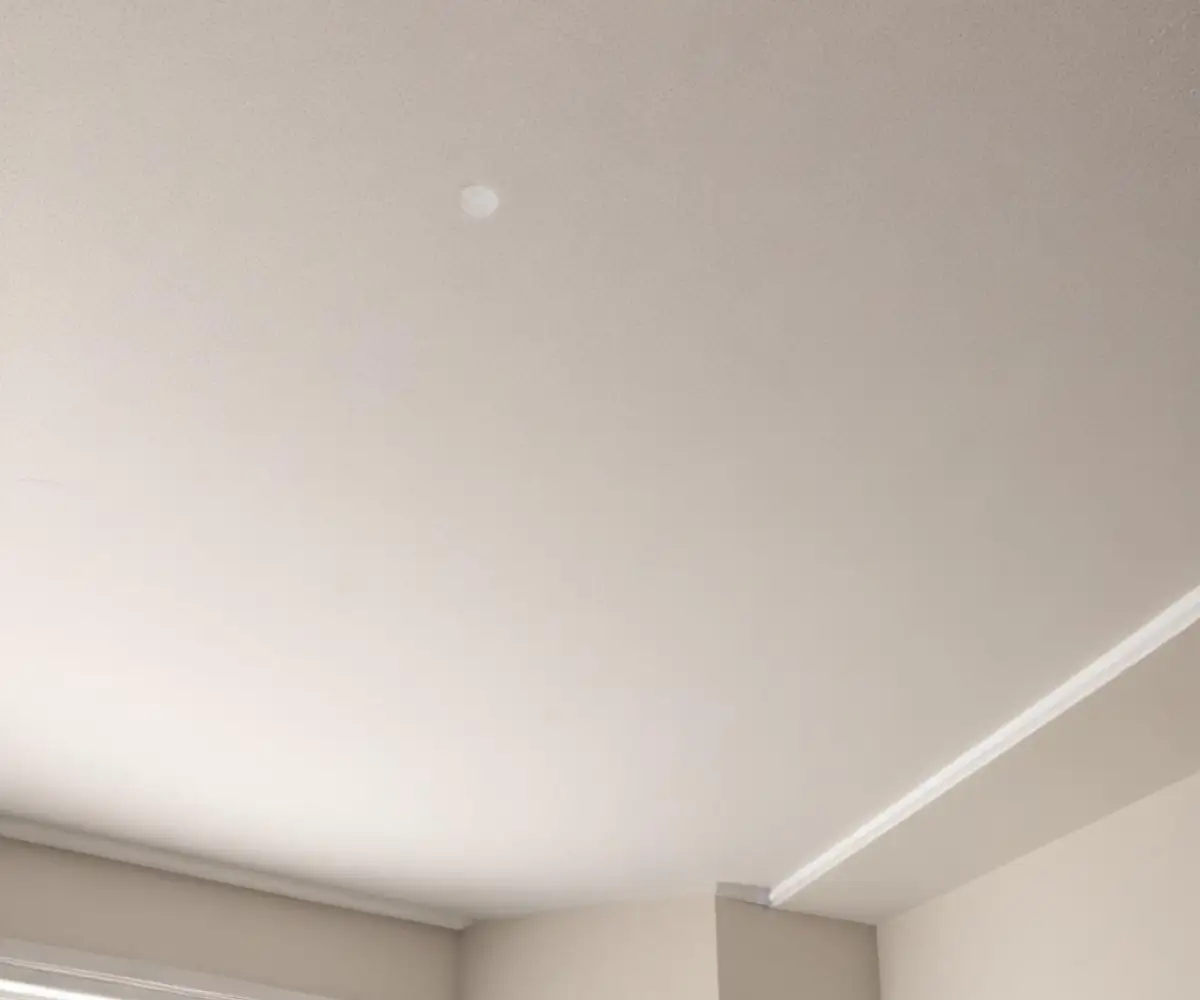
This technique became a favorite among builders from the 1990s onward because it was faster and more forgiving than achieving a perfectly smooth, level-5 finish. A flawless smooth ceiling requires extensive sanding and finishing, making it significantly more labor-intensive and expensive. Knockdown provided an attractive, efficient compromise.
The Big Question: Are Knockdown Ceilings Still in Style?
The answer isn’t a simple yes or no. While the dominant trend in modern and contemporary design heavily favors smooth, unobtrusive ceilings, knockdown texture hasn’t entirely disappeared. Its relevance today depends heavily on architectural style, regional preferences, and the overall design vision for a space.
The Undeniable Shift Towards Smooth Ceilings
In the world of high-end design, minimalism reigns. Smooth ceilings create an illusion of height and openness, making rooms feel larger and brighter. They offer a clean, crisp canvas that doesn’t compete with other design elements like statement lighting, intricate crown molding, or bold wall colors. For many potential homebuyers and design enthusiasts, a smooth ceiling is synonymous with a modern, updated, and high-quality finish.
This preference is driven by a desire for clean lines and visual simplicity. A textured ceiling can sometimes create shadows that make a room feel darker or visually “busy.” Consequently, many homeowners and flippers invest in removing texture to align their properties with current market expectations.
Where Knockdown Texture Still Finds Its Place
Despite the trend toward smooth surfaces, knockdown ceilings are not universally outdated. In certain architectural styles, the texture feels intentional and complementary. Homes with Mediterranean, Tuscan, Southwestern, or rustic aesthetics often benefit from the warmth and organic feel of a knockdown finish. The subtle texture mimics the look of hand-troweled plaster, adding a layer of authenticity to these styles.
Furthermore, in many regions, particularly the Southwest and West, knockdown texture remains a standard finish in new construction. It’s practical, durable, and aligns with the local design vernacular. Removing it in these areas may not yield the same return on investment as it would in a market dominated by modern farmhouses or sleek urban condos.
The Real Estate Perspective
When selling a home, perception is everything. In a competitive market, a knockdown ceiling can be perceived as a negative by buyers conditioned to see smooth ceilings on design shows and in new builds. It might suggest that other areas of the home are also not updated. However, a well-maintained, freshly painted knockdown ceiling in a clean and stylishly decorated home is unlikely to be a deal-breaker for most buyers.
Ultimately, the decision to keep or remove often comes down to budget and priorities. If the texture is in good condition, focusing on other high-impact updates, like kitchens and bathrooms, may be a wiser investment.
Ceiling Finishes: A Head-to-Head Comparison
Understanding your options is key. Each primary ceiling finish has distinct advantages and disadvantages that can influence your decision based on your home’s needs, your budget, and your personal style.
| Feature | Knockdown Texture | Popcorn Texture | Smooth Finish |
|---|---|---|---|
| Aesthetic | Subtle, organic, stucco-like pattern. More modern than popcorn. | Bumpy, cottage-cheese-like. Largely considered dated. | Clean, modern, minimalist. Makes rooms feel taller. |
| Hides Imperfections | Excellent. Effectively conceals seams, cracks, and minor flaws. | Superior. Its primary purpose is to hide poor drywall work. | Poor. Shows every flaw, requiring a perfect (Level 5) finish. |
| Durability & Maintenance | Durable but difficult to clean due to uneven surface. Repairs are challenging to match perfectly. | Fragile, crumbles easily, and traps dust. Extremely difficult to clean or repair seamlessly. | Easy to clean and repaint. Repairs are simpler than textured finishes, though achieving a perfect blend requires skill. |
| Cost | Moderate. Less expensive than a smooth finish but more than popcorn. | Least expensive option due to fast application and minimal drywall prep. | Most expensive. Requires significant labor for a flawless, high-quality finish. |
| Resale Value Impact | Neutral to slightly negative, depending on the market and home style. | Often viewed negatively, especially if old enough to potentially contain asbestos. | Positive. Generally preferred by buyers and seen as a sign of quality. |
Breathing New Life into Your Knockdown Ceilings
If complete removal isn’t on the table, you have powerful options to modernize and integrate your knockdown ceilings into a contemporary design. You don’t have to live with a ceiling you dislike just because it’s textured. With the right approach, you can transform it from a passive background feature into an intentional part of your decor.
The Transformative Power of Paint
A fresh coat of paint is the most effective and budget-friendly way to update a knockdown ceiling. The choice of color and sheen can dramatically alter the room’s ambiance. A crisp, flat white is the go-to for a reason: it reflects light, makes the space feel bigger, and minimizes the appearance of the texture by reducing shadows.
When selecting your paint, the finish is just as important as the color. Consider the differences between popular sheens to make the right choice for your space; for example, understanding the nuances in the duration matte vs satin debate can help you select a finish that offers durability without highlighting the texture’s imperfections the way a higher gloss might.
Mastering Light and Shadow
The way you light a room can either accentuate or diminish the knockdown texture. Lighting that washes down the walls, rather than directly across the ceiling, is your best ally. This technique, known as “wall grazing,” creates a more even, ambient light and prevents harsh shadows from forming in the crevices of the texture, making it appear softer and less prominent.
Consider using upward-facing floor lamps or installing cove lighting. When choosing overhead fixtures, opt for those that diffuse light or direct it downwards, rather than designs that cast a wide, flat light across the ceiling’s surface.
Decor and Distraction: Drawing the Eye
You can work with your knockdown ceiling by making other elements in the room more compelling. Installing bold crown molding creates a clean, intentional border between the walls and ceiling, framing the texture and making it look more like a deliberate design choice. Similarly, a dramatic, modern light fixture can become the room’s focal point, drawing attention away from the ceiling’s surface.
When adding fixtures, you don’t have to be limited by existing junction boxes. You can even find creative solutions for how to hang a lamp from the ceiling without drilling, which can be useful for adding accent lighting that complements your overall design strategy.
When to Consider a Major Change: Updating or Removing Knockdown Texture
Sometimes, a cosmetic update isn’t enough. If your ceiling is damaged, you’re planning a major renovation, or you simply crave a smooth, modern look, it may be time for a more significant change. You have several options, each with its own process, cost, and level of disruption.
Skim Coating: The Modern Middle Ground
For those who want a smooth finish without the extreme mess of full removal, skim coating is an excellent solution. This process involves applying thin layers of drywall joint compound over the existing texture. Each layer is smoothed and allowed to dry, gradually building up a new, flat surface. After the final layer is sanded smooth, the ceiling is primed and painted, resulting in a flawless finish.
Skim coating is a skill-intensive job that requires patience and a good hand to achieve professional results. While it’s less messy than scraping, it’s not a mess-free process. It remains a popular choice because it effectively entombs the old texture and provides a brand-new surface to work with.
The Full Removal Process: What to Expect
Removing knockdown texture is a labor-intensive and messy job. The process typically involves spraying the ceiling with water to soften the drywall compound, then manually scraping the texture off with wide knives. It’s a physically demanding task that creates a significant amount of debris.
Before starting any removal project, especially in homes built before the 1990s, it is absolutely essential to test for asbestos. While less common in knockdown than in popcorn ceilings, it’s a risk that cannot be ignored. If asbestos is present, you must hire a certified abatement professional for removal. After scraping, the ceiling will almost certainly require repairs, sanding, and a skim coat to prepare it for priming and painting.
Covering It Up: Alternative Solutions
If scraping or skim coating sounds too daunting, you can cover the knockdown texture entirely. One of the most popular methods is to install a new layer of thin (1/4-inch or 3/8-inch) drywall directly over the existing ceiling. This creates a perfectly smooth new surface, though it does slightly lower the ceiling height.
When installing a new ceiling layer or heavy fixtures like a ceiling fan, ensuring proper support is critical. Products designed for this purpose, like those discussed in the EZ-Brace 101 guide, can provide the necessary structural reinforcement by securely anchoring to ceiling joists. Other decorative options include installing beadboard, wood planks, or pressed tin tiles, which can completely transform the room’s character while hiding the old texture.
Making the Right Choice for Your Home
Ultimately, the question of whether knockdown ceilings are in style is personal. While the broader design trend leans heavily toward smooth finishes, a knockdown ceiling is not an automatic design flaw. Its suitability depends on your home’s architecture, your decorating style, and your budget.
Evaluate your ceilings with a critical eye. If they are in good condition, a fresh coat of flat white paint and strategic lighting can modernize the look for a minimal investment. If you desire a sleeker aesthetic and have the budget, exploring skim coating or removal can be a worthwhile upgrade that aligns your home with current market trends.
Your ceiling is the fifth wall of your room—an often-overlooked surface with immense design potential. By making an informed and intentional choice, you can ensure it complements your vision and enhances the beauty and value of your home for years to come.
