
Arctic Fire Dogwood Problems: Why Your Red Stems Are Dying & How to Fix It
The Arctic Fire Dogwood is a prized specimen in residential landscaping, celebrated for its vibrant red stems that pierce through the dreary whites and grays of winter. Homeowners often plant them to boost curb appeal during the dormant season, expecting a hardy, low-maintenance shrub that thrives with minimal intervention. However, many gardeners are dismayed to find their striking red twigs turning black, leaves developing unsightly spots, or the entire plant suffering from sudden dieback. Understanding the specific Arctic Fire Dogwood problems is essential for saving your investment and maintaining the aesthetic value of your property.
These shrubs, a compact cultivar of the Red Twig Dogwood, are generally robust, but they are not immune to a specific set of environmental stressors and pathogens. The transition from a healthy, vibrant plant to a struggling one can happen rapidly if early warning signs are ignored. Issues often stem from a combination of incorrect planting locations, fungal pathogens, and improper pruning techniques that leave the wood vulnerable. Addressing these problems requires a systematic approach to diagnosis and treatment.
This guide provides a comprehensive analysis of the most common issues affecting Arctic Fire Dogwoods. We will explore the fungal diseases that ravage the foliage, the pests that bore into the stems, and the environmental factors that stress the root system. By following these expert-level solutions, you can restore the health of your dogwoods and ensure they remain a fiery focal point in your landscape design.
You'll Learn About
Identifying the Most Common Arctic Fire Dogwood Diseases
Diseases are the primary culprit when an Arctic Fire Dogwood begins to look ragged or unhealthy. Unlike pests, which are often visible to the naked eye, diseases can start microscopically and spread internally before symptoms manifest on the exterior. The dense branching habit of this dwarf cultivar often restricts airflow, creating a microclimate that is unfortunately perfect for fungal growth. Recognizing the difference between a cosmetic issue and a lethal infection is critical for timely intervention.
Most fungal issues arise during warm, wet springs or humid summers, lingering in the soil or on fallen debris. If you notice discoloration on the leaves or dark lesions on the stems, the plant is likely fighting a pathogen. Immediate identification is required to select the correct fungicide or cultural control method. Ignoring these signs usually leads to the progressive death of the stems, ruining the winter display.
The Menace of Leaf Spot: Septoria and Cercospora
Leaf spot diseases are arguably the most frequent complaint among dogwood owners. Septoria leaf spot typically appears as small, angular lesions with a light center and a dark purple or reddish halo. These spots may seem insignificant individually, but they can rapidly coalesce, causing the leaf to yellow and drop prematurely. This premature defoliation weakens the plant, reducing its ability to photosynthesize and store energy for the winter.
Cercospora leaf spot presents similarly but often manifests later in the season, particularly during high humidity. The fungus overwinters on fallen leaves, creating a cycle of reinfection if garden hygiene is neglected. While leaf spot rarely kills a mature Arctic Fire Dogwood outright, it severely impacts the plant’s vigor and aesthetic appeal. A shrub that loses its leaves in August will look sparse and sickly, rather than lush and vibrant.
To combat leaf spot, ensuring proper air circulation is paramount. Avoid overhead watering, which splashes fungal spores from the soil onto the lower foliage. If the infection is severe, applying a copper-based fungicide or chlorothalonil early in the season can protect new growth. However, sanitation—removing and destroying infected fallen leaves—is the most effective long-term strategy.
Stem Canker: The Silent Killer of Red Twigs
While leaf spots are unsightly, stem cankers are lethal. Botryosphaeria canker is a serious fungal disease that attacks the woody stems of the dogwood. The first symptom is often the yellowing or wilting of leaves on a single branch, appearing as if that specific section of the plant is dehydrated. Upon closer inspection of the stem, you will likely find a sunken, discolored area—the canker—encircling the twig.
Once a canker girdles a stem, the transport of water and nutrients is cut off, causing everything above the infection site to die. On Arctic Fire Dogwoods, this dieback turns the vibrant red stems a dull, lifeless brown or gray. The fungus enters through wounds caused by lawnmowers, insects, or improper pruning cuts. Stressed plants, particularly those suffering from drought, are significantly more susceptible to canker infections.
There is no chemical cure for Botryosphaeria canker once it has established itself in the wood. The only solution is aggressive pruning. You must cut the infected stem well below the canker, cutting into healthy wood to ensure the fungus is entirely removed. Sterilize your pruners with alcohol between every single cut to prevent spreading the pathogen to healthy parts of the shrub.
Powdery Mildew and Humidity Issues
Powdery mildew appears as a white, dusty coating on the surface of the leaves, resembling a dusting of flour. While it is often considered a cosmetic issue on many plants, severe infestations on Arctic Fire Dogwoods can cause leaf curling, stunted growth, and scorching. This fungus thrives in conditions where days are warm and nights are cool, coupled with high relative humidity.
Unlike other fungi, powdery mildew does not require water on the leaf surface to germinate; it only needs high humidity. This makes it prevalent in crowded garden beds where plants are spaced too closely together. The white mycelium blocks sunlight from reaching the leaf surface, inhibiting photosynthesis. Over time, the leaves may turn brown and brittle.
Neem oil or horticultural oils are effective treatments when applied at the first sign of infection. Increasing air circulation by thinning out the shrub and surrounding vegetation also helps lower the immediate humidity around the leaves. Selecting a planting site with adequate morning sun helps dry off dew quickly, creating a less hospitable environment for the fungus.
Environmental Stressors and Planting Mistakes
Not all Arctic Fire Dogwood problems are biological; many are physiological disorders caused by the environment. These plants are often marketed as “adaptable,” which leads homeowners to plant them in less-than-ideal conditions. While they are tolerant of wet soil compared to many other shrubs, they have limits. Conversely, despite being marketed for sun, they can suffer in intense heat without adequate moisture.
Understanding the balance between soil moisture, sunlight exposure, and soil chemistry is vital. A plant under environmental stress releases chemical signals that actually attract pests and lower its natural immune resistance to disease. Correcting the environment is often the best “medicine” you can offer your dogwood.
The Impact of Soil Drainage and Root Rot
Arctic Fire Dogwoods are naturally adapted to moist, wetland margins, but they do not tolerate stagnant, anaerobic conditions. If planted in heavy clay soil that does not drain, the roots can suffocate. This leads to root rot, caused by water molds like Phytophthora. Symptoms of root rot mimic drought stress: the plant wilts because the rotting roots can no longer uptake water, even if the soil is wet.
Proper site preparation is crucial before planting. Incorporating organic matter such as compost or peat moss can improve drainage in clay soils. If you are concerned about moisture pooling near your home’s base while watering these thirstier shrubs, you should inspect your exposed foundation footing to ensure water isn’t compromising the structure. Water accumulating around the foundation to feed the shrubs can inadvertently damage your home’s stability.
If you suspect root rot, check the soil moisture levels deep in the root ball, not just at the surface. If the soil smells like rotten eggs or is swampy, you must improve drainage immediately or transplant the shrub. In severe cases, the plant may need to be removed to prevent the spread of soil-borne pathogens to neighboring plants.
Sun Scorch vs. Shade Tolerance
The intensity of the red stem coloration in winter is directly related to the amount of sunlight the plant receives during the growing season. Full sun promotes the best color, but in hotter climates, full afternoon sun can be damaging. Sun scorch manifests as browning along the leaf margins and crispy foliage, particularly in mid-to-late summer.
Conversely, planting the shrub in deep shade will eliminate sun scorch issues but will result in leggy growth and dull, greenish-brown stems in winter. The lack of photosynthesis reduces the production of anthocyanins, the pigments responsible for the red color. Furthermore, shade often increases humidity around the foliage, increasing the risk of the fungal diseases mentioned earlier.
The ideal location for an Arctic Fire Dogwood is an area that receives at least 4 to 6 hours of direct sunlight, preferably in the morning and early afternoon. In regions with intense summer heat, dappled shade during the hottest part of the day (3 PM to 5 PM) is beneficial. Mulching the base of the plant helps keep the roots cool and retains necessary moisture, mitigating the effects of heat stress.
Pest Infestations Targeting Dogwoods
While diseases are more common, pests can also wreak havoc on Arctic Fire Dogwoods. These insects often target plants that are already stressed by drought or disease. Monitoring your shrubs regularly for signs of insect activity allows for early intervention, which is usually less invasive and more effective than treating a full-blown infestation.
Insect damage can range from cosmetic holes in the leaves to structural damage inside the stems. Understanding the lifecycle of these pests helps in determining the best time for treatment. Systemic insecticides are sometimes necessary, but physical removal or horticultural oils are preferred for minor issues to preserve beneficial insects.
Scale Insects and Aphids
Dogwood sawfly larvae and various species of aphids are common foliage feeders. However, scale insects pose a more significant threat to the health of the stems. Oystershell scale and scurfy scale appear as small, immobile bumps on the bark. They suck the sap from the plant, weakening it and causing branch dieback. Heavy infestations can encrust the branches, making them look gray and scaly.
Scale insects excrete a sticky substance called honeydew, which fosters the growth of sooty mold. This black mold covers the leaves and stems, further blocking sunlight. If you see ants crawling up and down your dogwood stems, it is a strong indicator of an aphid or scale infestation, as ants harvest the honeydew.
Treating scale is difficult because their hard shells protect them from contact insecticides. The most effective treatment is applying a horticultural oil (dormant oil) in late winter or early spring before the leaves emerge. This oil suffocates the overwintering insects. During the growing season, targeting the “crawler” stage—when the young, mobile insects are moving—is essential for control.
Dogwood Borers
The dogwood borer is a clearwing moth larva that tunnels into the cambium layer of the wood. Unlike scale insects, which feed on the surface, borers destroy the shrub from the inside out by disrupting the flow of water and nutrients. They are primarily attracted to fresh wounds on the bark; consequently, “mower blight” (damage from lawnmowers or string trimmers) and improper pruning cuts serve as prime entry points. Key diagnostic signs of borer activity include wet, sappy spots on the bark, sawdust-like frass (larval waste) at the base of the plant, and localized bark sloughing.
Prevention and Treatment Strategies
Prevention is the most effective cure. To protect your shrubs, maintain a “no-mow” zone around the base to avoid mechanical bark damage. Contrary to older advice, do not apply pruning sealants or paints to cuts; instead, ensure all pruning is done using clean, sharp tools that allow the plant to seal itself naturally.
Because the larvae reside deep within the wood, standard contact insecticides are ineffective once they have entered the stem. However, if an infestation is confirmed:
-
Monitoring: Use pheromone traps to identify the flight period of adult moths.
-
Preventative Sprays: Apply insecticides containing permethrin or bifenthrin to the trunk and lower branches during the peak flight period (typically late spring to mid-summer) to kill newly hatched larvae before they bore into the bark.
-
Sanitation: Heavily infested branches should be pruned out entirely and destroyed or bagged—never composted—to prevent the larvae from completing their life cycle.
Pruning and Maintenance for Health
Pruning is not just about shaping; for Arctic Fire Dogwoods, it is a critical health requirement. The vibrant red color appears primarily on stems that are one to two years old. Older wood develops a rough, corky bark that turns gray and is far more susceptible to cankers and borers. Therefore, rejuvenation pruning serves the dual purpose of maintaining aesthetics and removing vulnerable old growth.
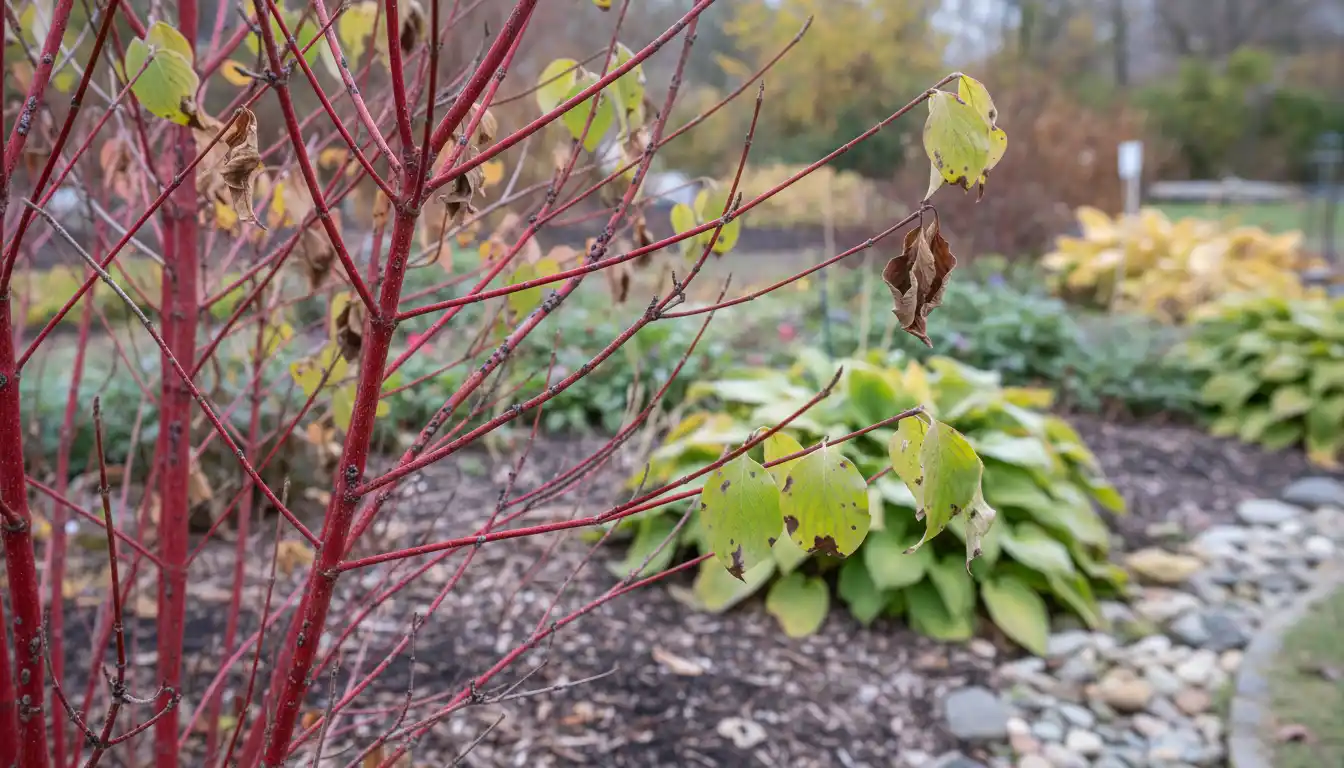
Many homeowners are hesitant to cut back their shrubs drastically, fearing they will kill the plant. However, Arctic Fire Dogwoods are vigorous growers that respond well to heavy pruning. Failing to prune leads to a congested center, poor air circulation, and a decline in plant vigor. It is a necessary chore that directly combats many of the problems discussed above.
The One-Third Rule for Rejuvenation
The most recommended pruning technique is the one-third rule. In late winter or very early spring, before the buds break, remove one-third of the oldest stems. Cut these stems all the way down to the ground. This encourages the plant to push up new, vigorous shoots from the base, which will turn bright red the following winter.
By rotating which stems you remove, you completely renew the entire shrub every three years. This keeps the plant in a perpetual state of youth, reducing the likelihood of stem cankers and scale infestations that prefer older wood. This method also controls the size of the plant, preventing it from encroaching on walkways or other plantings.
Alternatively, you can perform a hard rejuvenation prune, often called coppicing, where the entire shrub is cut down to 6-12 inches from the ground. This results in a massive flush of new growth but leaves a gap in the landscape for the first part of the spring. This drastic measure is usually reserved for plants that are overgrown or heavily diseased.
Sanitization to Prevent Spread
When pruning to remove diseased wood, hygiene is non-negotiable. Fungal spores from cankers and leaf spots adhere to metal blades and can be inoculated into fresh cuts on healthy tissue. Carry a spray bottle of 70% isopropyl alcohol or a 10% bleach solution with you while you work.
Spray or dip your pruners after every cut when removing diseased material. Even when performing routine maintenance pruning on seemingly healthy plants, it is good practice to sanitize between plants. Dispose of all pruning debris immediately. Do not leave clippings on the ground, as they can harbor spores that will re-infect the plant during the next rainstorm.
Structural Considerations for Homeowners
When incorporating Arctic Fire Dogwoods into a home improvement plan, one must consider the interaction between the plant and the house structure. These shrubs are often planted as foundation plantings due to their size, but this proximity can lead to specific maintenance challenges for the home exterior. The biological issues of the plant can translate into physical issues for the building materials.
For example, the honeydew from aphids or the spores from fungal infections can drip or blow onto siding. Additionally, the high moisture requirements of the dogwood can conflict with the need to keep foundations dry. Balancing the needs of the living landscape with the maintenance of the hardscape is a nuanced aspect of home ownership.
Siding Stains and Fungal Transfer
Fungal spores, particularly from sooty mold associated with pest infestations, can drift onto vinyl, wood, or stucco siding. This creates unsightly black or green stains that are difficult to remove and may require pressure washing or chemical treatments. When dealing with fungal runoff that stains exterior walls, you might wonder about the costs of repainting versus cleaning; checking if is paint cheaper at lowes or sherwin williams can help you budget for exterior touch-ups.
To mitigate this, ensure there is at least two to three feet of airflow between the mature size of the shrub and the house siding. This distance prevents physical bridging for pests and allows wind to dry the siding and the back of the plant, reducing fungal growth on both surfaces. Regular inspections of the siding behind these shrubs can catch staining early before it sets permanently.
Flooring and Mudroom Considerations
Managing the health of Arctic Fire Dogwoods often involves dealing with muddy soils, mulch, and garden debris. If these plants are located near a rear entrance or patio, the traffic back and forth for maintenance can wreak havoc on interior floors. Constant gardening to treat these issues means tracking mud indoors, so having durable surfaces is key, which is why many homeowners look into medallion aquarius flooring reviews for mudroom upgrades.
The connection between outdoor tasks and indoor maintenance is often overlooked. If you find yourself constantly treating your dogwoods for root rot or replanting due to soil issues, upgrading the entryway flooring to a waterproof, scratch-resistant option can save significant stress. It ensures that the “messy” work of saving your plants doesn’t damage your home’s interior.
Diagnostic Guide for Dogwood Issues
To assist in quickly identifying the problem affecting your Arctic Fire Dogwood, use the following diagnostic table. This reference connects visible symptoms to their probable causes and immediate solutions.
| Visible Symptom | Probable Cause | Immediate Action |
|---|---|---|
| Purple-haloed spots on leaves | Septoria Leaf Spot (Fungus) | Remove fallen leaves; apply copper fungicide; improve airflow. |
| White powdery coating on foliage | Powdery Mildew | Apply Neem oil; reduce humidity; thin out branches. |
| Blackened/dying stems; brown leaves on one branch | Botryosphaeria Canker | Prune 4-6 inches below the canker into healthy wood; sanitize tools. |
| Small bumps on bark; sticky residue | Scale Insects | Apply dormant oil in late winter; scrub off heavy infestations. |
| Wilting despite wet soil | Root Rot / Poor Drainage | Check soil drainage; reduce watering; amend soil with organic matter. |
| Crispy, brown leaf margins in summer | Sun Scorch / Heat Stress | Mulch root zone deeply; provide afternoon shade; ensure deep watering. |
Conclusion and Long-Term Care
The Arctic Fire Dogwood is a resilient shrub, but it demands specific conditions to thrive and maintain its signature coloration. The majority of problems encountered by homeowners—ranging from fungal spots to stem dieback—can be traced back to environmental stress or poor sanitation practices. By choosing the right planting site with adequate drainage and sunlight, and by committing to a regimen of rejuvenation pruning, you can eliminate most of these issues before they start.
Regular monitoring is the key to success. A quick weekly inspection of the leaves and stems allows you to catch scale insects or cankers while they are manageable. Remember that the health of your landscape is a holistic system; the soil quality, the proximity to your home foundation, and even your choice of interior flooring for high-traffic garden entryways all play a role in the gardening experience. With the right knowledge and proactive care, your Arctic Fire Dogwoods will provide the stunning winter interest they are famous for, free from the blight of disease and decay.
