
Aquatic Plants from Lowe’s: Your Ultimate Guide to a Thriving Water Garden
Creating a vibrant underwater world or a serene garden pond is a dream for many homeowners. The lush greens and gentle sway of aquatic plants bring life and beauty to any water feature. Yet, a common hurdle is finding healthy, affordable plants without visiting a specialty store.
Many wonder if a convenient big-box retailer like Lowe’s is a viable option. Can you truly find quality aquatic plants there, and how do you ensure they survive and thrive? This guide will solve that problem entirely.
We will provide the expert knowledge needed to confidently select, introduce, and grow stunning aquatic plants from Lowe’s, turning your water garden aspirations into a breathtaking reality.
You'll Learn About
Decoding the Aquatic Plant Selection at Lowe’s
Walking into the garden center at Lowe’s, you’ll find that the aquatic plant selection can vary significantly. Understanding what to expect is the first step toward making a successful purchase. The key is knowing the types of plants available and the timing of your visit.
This knowledge allows you to plan your project effectively and ensures you find the best specimens for your specific needs, whether for a sprawling pond or a compact indoor aquarium.
Common Types of Aquatic Plants to Expect
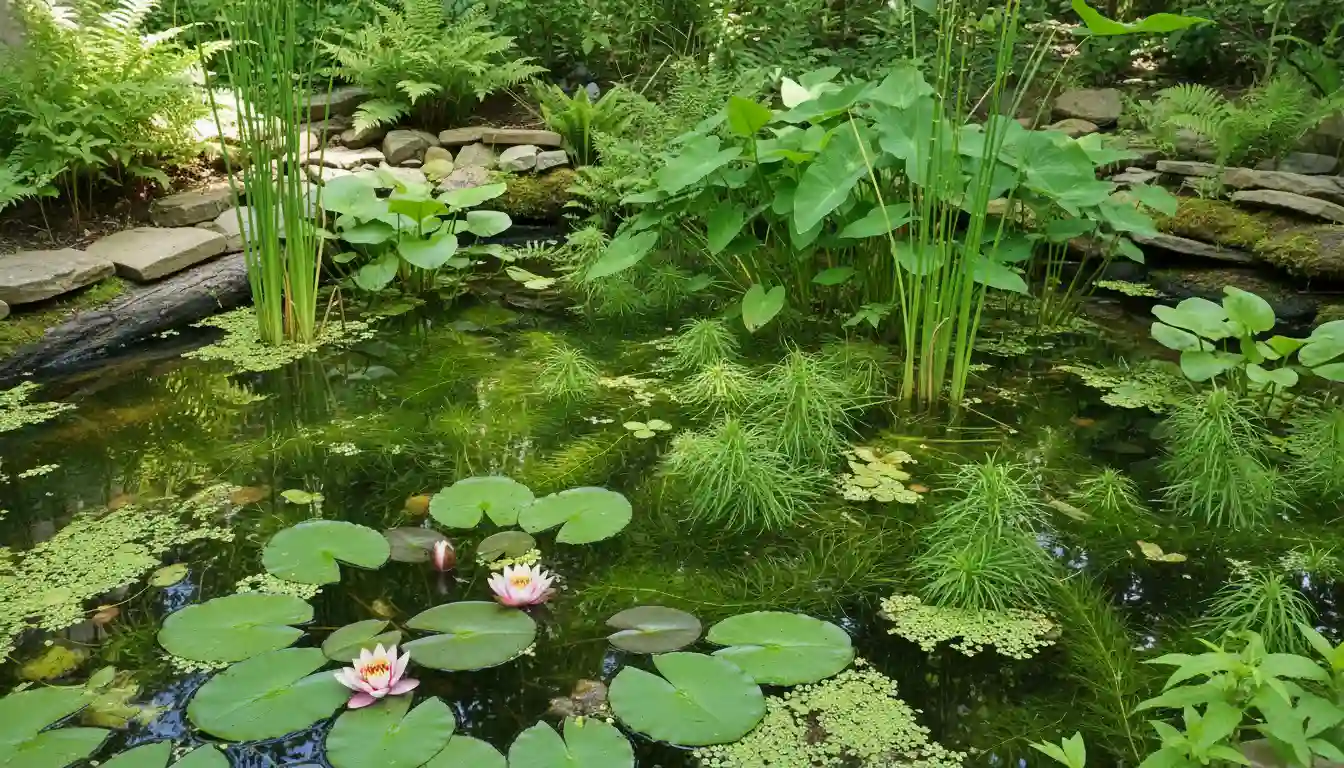
Lowe’s typically stocks a range of aquatic plants suited for various water garden setups. These are generally categorized by where they grow in the water column. You will often find floating plants like water hyacinths and water lettuce, which are excellent for providing shade and filtering water.
You may also discover submerged plants, such as anacharis or hornwort, which are fantastic oxygenators. Finally, look for marginal or bog plants like irises and cattails, perfect for the shallow edges of a pond.
Seasonal Availability: The Secret to Finding the Best Stock
The single most important factor for finding a great selection of aquatic plants at Lowe’s is timing. The peak season is typically from mid-spring through early summer. During this period, the stores receive their largest and most diverse shipments to cater to the pond-building season.
Shopping during this window dramatically increases your chances of finding healthy, robust plants. Visiting outside of this peak season may result in a limited or picked-over selection, so planning your shopping trip accordingly is crucial for success.
Your Smart Shopper’s Checklist for Healthy Plants
Simply finding plants is not enough; selecting the healthiest specimens is paramount. A weak or diseased plant will struggle to adapt to its new environment and can even introduce problems into your established ecosystem. Developing a keen eye for quality is a skill that will serve you well.
This checklist will guide you through a professional inspection process. It covers everything from visual health cues to understanding the different types of packaging, ensuring you bring home only the best plants for your project.
Inspecting for Health Beyond Just Green Leaves
Look past the initial green appearance. Healthy aquatic plants should have firm, strong stems and vibrant leaves. Avoid any plants with yellowing, browning, or transparent-looking spots on their foliage, as this can be a sign of nutrient deficiency or melting.
Gently check the root system if possible. The roots should look white or light-colored and feel robust, not mushy or black. Also, carefully inspect the leaves and stems for pests like small snails or their eggs, which can quickly infest a pond or aquarium.
Understanding the Packaging: Tubes, Bags, and Bare-Root
Lowe’s sells aquatic plants in several formats, and each has its pros and cons. Some come in plastic tubes or bags with a gel medium; these are often tissue-cultured and are guaranteed to be free of pests and algae. However, they can be more delicate initially.
Other plants are sold in pots or as bare-root bundles. Potted plants are more established but carry a higher risk of bringing in unwanted hitchhikers like snails or algae. Bare-root plants are easy to plant but require immediate placement in your water feature to prevent them from drying out.
From Store to Oasis: The Critical First Steps for Success
Bringing your new plants home is just the beginning. The actions you take in the first 24-48 hours are critical to their long-term health and the safety of your existing aquatic life. Rushing this stage is a common mistake that can lead to disappointment.
Proper acclimation and quarantine procedures are non-negotiable for any responsible water gardener. Following these professional protocols will prevent the introduction of diseases and pests and help your new plants transition smoothly into their new home.
The Quarantine Protocol: A Non-Negotiable Step
Never add a new plant directly to your main pond or aquarium. Always quarantine new additions for at least one to two weeks in a separate container. This can be as simple as a bucket or a small plastic tub filled with water.
This isolation period allows you to observe the plant for any hidden pests, like snails or dragonfly nymphs, and signs of disease that were not visible at the store. Treating any issues during quarantine is far easier and safer than dealing with a full-blown infestation in your primary water feature.
Acclimation Secrets for Ponds vs. Aquariums
The process of introducing your plants will differ slightly based on their final destination. For a pond, after the quarantine period, you can place potted plants directly on the appropriate shelves. For bare-root plants, gently secure their roots in a pot with aquatic soil and a layer of gravel on top before placing them.
For an aquarium, the process is more delicate. After quarantine, carefully remove the plant from its pot or packaging, discard any rock wool, and trim any damaged roots. Plant it directly into your substrate using tweezers for smaller plants to avoid damaging them. This careful transition is key to creating a safe and serene wading pond or a thriving aquarium.
Advanced Care and Long-Term Health for Your Lowe’s Plants
Once your plants are settled, your role shifts from introduction to maintenance. Providing the right conditions will ensure they not only survive but also flourish, creating the lush, beautiful water feature you envisioned. This involves understanding their nutritional needs and knowing how to troubleshoot common issues.
This section provides the essential information for long-term success. From lighting to nutrients, mastering these elements will empower you to cultivate a stunning and healthy aquatic ecosystem.
| Plant Name | Light Requirement | Growth Rate | Ideal Placement |
|---|---|---|---|
| Water Lily | High (6+ hours direct sun) | Medium | Bottom of pond (1-2 ft deep) |
| Anacharis (Elodea) | Low to High | Fast | Submerged/Floating in water column |
| Hornwort | Low to High | Very Fast | Submerged/Floating in water column |
| Water Hyacinth | High (6+ hours direct sun) | Very Fast | Floating on water surface |
| Dwarf Cattail | Medium to High | Medium | Marginal shelf (2-6 inches deep) |
| Amazon Sword | Medium to High | Medium | Rooted in aquarium substrate |
Nutrient Needs: The Role of Fertilizers
Many aquatic plants, especially heavy root feeders like Water Lilies and Amazon Swords, benefit from additional nutrients. Root tabs are a highly effective way to deliver fertilizer directly to the plant’s root zone. These solid tablets are pushed into the substrate near the base of the plant.
For plants that feed more from the water column, like Anacharis, a comprehensive liquid fertilizer may be beneficial, particularly in an aquarium setting. Be sure to use a formula specifically designed for aquatic use to ensure it is safe for fish and other inhabitants.
Common Problems and How to Solve Them
Even with perfect care, you might encounter issues. Algae is a common problem, often caused by an imbalance of light and nutrients. Reducing lighting hours and ensuring you are not over-fertilizing can help. Physically removing algae and introducing algae-eating inhabitants can also be effective.
If you notice your new plants “melting” or losing their leaves, this can be a normal part of the acclimation process as they shed their emersed-grown leaves for new, submersed ones. As long as the root structure is healthy, new growth should appear soon. Be patient and maintain stable water conditions.
Integrating Plants into Your Grand Aquatic Design
Aquatic plants are more than just decoration; they are the living heart of your water feature’s ecosystem. Their role extends beyond aesthetics to water filtration, oxygenation, and providing shelter for aquatic life. Integrating them thoughtfully into your overall design elevates your project from a simple container of water to a dynamic, natural environment.
Thinking about the big picture is crucial. A well-planted environment is the soul of any aquatic display, and this is true whether you are setting up a small desktop tank or you plan to build a huge aquarium for pennies. Furthermore, success begins with your source water. Understanding its properties is fundamental, especially if you deal with household water issues that necessitate things like water softener disposal, as this baseline knowledge helps you make necessary adjustments for your plants.
The Final Word on Your Aquatic Garden Journey
You now possess the knowledge to turn Lowe’s garden center into a valuable resource for your aquatic hobby. By understanding the seasonal stock, meticulously inspecting each plant, and following strict quarantine and acclimation procedures, you can build a stunning water garden or aquarium with healthy, vibrant plants.
The key to success is not about finding the most exotic species, but about choosing healthy specimens and providing them with the proper care from day one. Armed with this guide, you are fully equipped to create the beautiful, thriving aquatic oasis you have always wanted.
