
An Acceptable Level of Imperfection: The Secret to a Happier Home
The quest for a picture-perfect home can feel relentless. Scroll through social media, and you’re met with a tidal wave of flawless interiors, pristine gardens, and seemingly effortless DIY projects. This digital parade of perfection sets an impossibly high standard, often leading to homeowner anxiety, project paralysis, and a constant feeling that your own space doesn’t quite measure up.
This pressure creates a significant problem: the fear of falling short stops many from even starting. Instead of enjoying the creative process of making a house a home, you become trapped in a cycle of comparison and self-doubt. The solution lies in embracing a powerful design philosophy: an acceptable level of imperfection.
You'll Learn About
What is “Acceptable Imperfection” in Home & Garden?
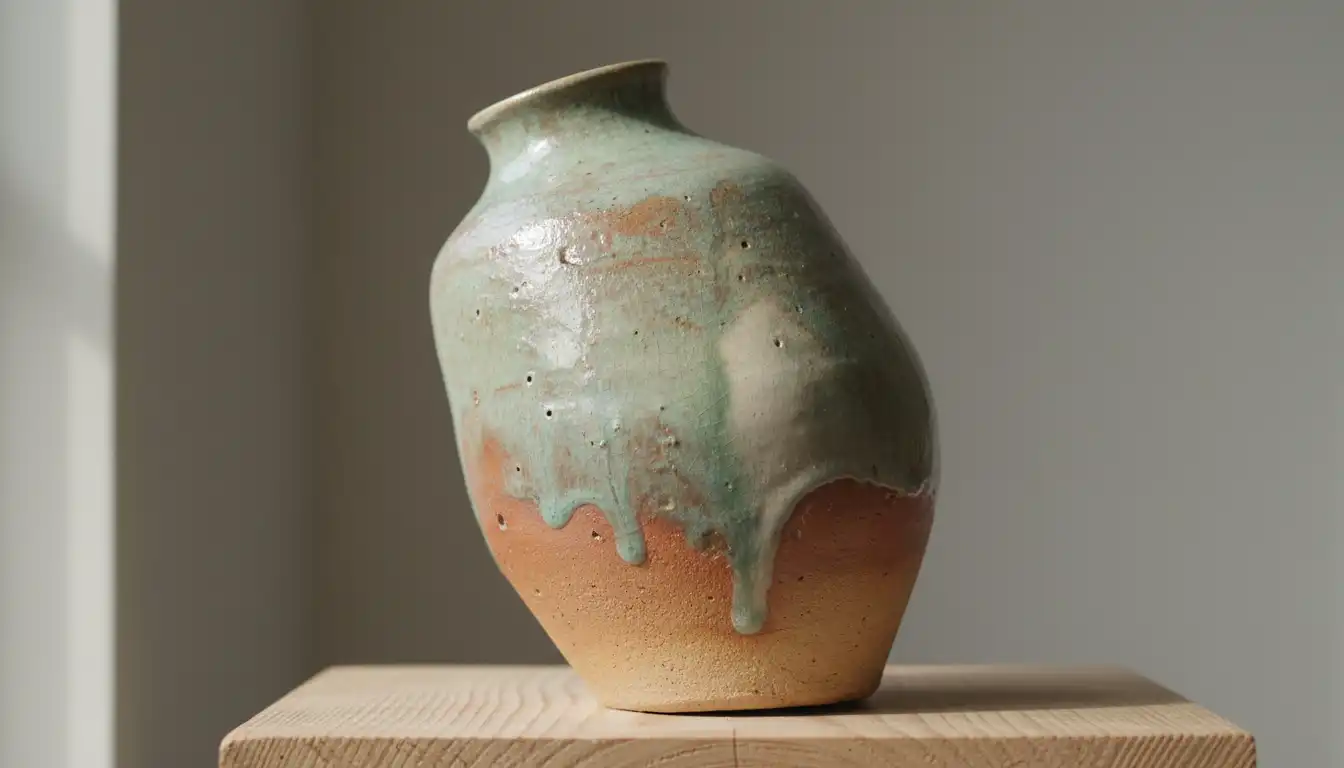
Accepting imperfection is not an excuse for sloppy workmanship or neglecting necessary repairs. Instead, it’s a conscious decision to value character, authenticity, and the story behind the objects in your home. It’s about finding beauty in the slightly uneven, the gently worn, and the handmade.
This mindset is at the heart of design styles like Wabi-Sabi, a Japanese philosophy that appreciates the beauty in transience and imperfection. It champions natural materials, asymmetry, and simplicity, creating spaces that feel calm, grounded, and deeply personal. It’s the difference between a sterile showroom and a warm, inviting home that reflects the life lived within its walls.
The Difference Between Character and a Flaw
Understanding where to draw the line is crucial. A charming imperfection adds to the aesthetic and tells a story—think of the gentle patina on a vintage wooden table or the slight variations in handmade ceramic tiles. These are the unique details that make a space truly yours.
A flaw, on the other hand, is a defect that impacts the safety, functionality, or structural integrity of your home. A hairline crack in plaster might be a simple cosmetic issue, but a large, growing crack in the foundation is a serious problem. The key is to distinguish between what adds character and what signals a genuine issue that needs a professional fix.
The Psychological Trap of DIY Perfectionism
The pressure to achieve flawless results in home improvement projects can be immense. This perfectionism often stems from the fear of making mistakes, wasting money on materials, or creating something that looks amateurish. The result is often “analysis paralysis,” where a project is endlessly planned but never started.
This constant striving for an unattainable ideal can turn a rewarding creative outlet into a source of significant stress. It can lead to budget overruns from re-doing minor mistakes and a profound sense of dissatisfaction with the final result. Giving yourself permission to make small errors is freeing; it turns the focus from a perfect outcome to the valuable experience gained in the process.
Where to Embrace Imperfection: A Room-by-Room Guide
Learning to see the beauty in imperfection can transform how you view your home. Certain areas lend themselves more naturally to this aesthetic, while others demand precision for safety and functionality.
Living Spaces & Bedrooms
These are ideal areas for showcasing character. Think of wrinkled linen bedding, a slightly asymmetrical gallery wall, or a hand-knotted rug with minor pattern variations. These elements add texture, warmth, and a human touch that mass-produced perfection cannot replicate.
Kitchens & Bathrooms
While function is paramount in these rooms, there’s still space for character. Natural stone countertops have inherent variations in color and pattern that make each slab unique. Handmade tiles bring an organic feel that perfectly uniform tiles lack. However, this is also where the line is sharpest; a beautiful imperfection should not compromise utility. While a tiny, non-structural gap between cabinets might be perfectly acceptable, a more significant issue requires a fix.
The Garden
Nature is the ultimate teacher of imperfect beauty. A perfectly manicured lawn can be stunning, but there is a different kind of charm in a garden that embraces a more natural state. Allow for organic shapes, weathered materials like stone and wood, and plants that self-seed. A garden that isn’t overly controlled is one that feels alive and truly connected to its environment.
The Fine Line: When Imperfection Becomes a Problem
Embracing imperfection has its limits, and those limits are defined by safety, function, and structural integrity. Some issues are not charming quirks; they are red flags that require immediate attention. Ignoring them can lead to dangerous situations and far more expensive repairs down the line.
Non-Negotiable Flaws That Need Fixing
Certain problems fall squarely into the “unacceptable” category. These are not matters of taste but of safety and the physical soundness of your home. Any compromise here is a risk not worth taking.
Electrical issues are a prime example. An outlet not flush with plate may seem like a minor cosmetic issue, but it can indicate improper installation and pose a fire hazard. Similarly, any sign of structural distress—such as bulging walls, sloping floors, or doors that suddenly stick—warrants an immediate professional assessment.
Functional Failures
Beyond safety, some imperfections directly impact your home’s usability. A wobbly staircase railing, a door that won’t latch, or a constantly dripping faucet are functional failures. Appliances must also be properly installed; a microwave not level can cook unevenly and may not be securely mounted, creating a safety risk. These issues erode your daily comfort and should be addressed.
| Area of Concern | Acceptable Imperfection (Character) | Unacceptable Flaw (Problem) |
|---|---|---|
| Wall Finish | Slightly uneven texture on a plaster wall | Large, growing cracks or signs of water damage |
| Wood Flooring | Minor scuffs, scratches, and natural patina from age | Soft, bouncy spots, significant warping, or wide gaps |
| Tiling | Slight variations in handmade tile shape or grout lines | Loose tiles, uneven “lippage” that creates a trip hazard |
| Furniture | Faded upholstery or minor dings on a vintage piece | Wobbly legs, structural instability, or broken joinery |
| Electrical | A vintage-style (but properly wired) light switch | Flickering lights, loose outlets, or exposed wiring |
| Plumbing | A gracefully aged patina on brass fixtures | Any leak, no matter how small; slow drains |
How to Cultivate an Appreciation for the Imperfect
Shifting your mindset from chasing perfection to celebrating authenticity is a gradual process. It involves changing not just how you see your home, but also how you acquire items for it and how you approach your own creative projects.
Adopt a “Progress Over Perfection” Mentality
When tackling a DIY project, focus on the skills you are learning and the satisfaction of doing it yourself. Don’t let the fear of a less-than-perfect result stop you from trying. Remember that even professionals make mistakes; they just know how to fix them. Your small imperfections are badges of your effort and courage.
Embrace Natural and Handmade Items
Actively seek out items that show the hand of the maker. Choose a hand-thrown ceramic mug over a factory-made one. Opt for a solid wood table where the grain is the star, rather than a flawless laminate surface. These pieces bring a unique energy and story into your home.
Frequently Asked Questions
What does “an acceptable level of imperfection” mean?
An acceptable level of imperfection is the recognition that flaws and mistakes are a natural part of life and that striving for absolute perfection is often unrealistic and counterproductive. It involves setting high but achievable standards for yourself, rather than pursuing an unattainable ideal. This mindset encourages viewing mistakes as opportunities for growth and learning.
What are the benefits of embracing imperfection?
Embracing imperfection can lead to improved mental health by reducing stress and anxiety. It can also foster greater self-compassion, resilience, and more authentic relationships with others. This mindset shift can unlock creativity and encourage personal growth by removing the fear of failure.
How is an “acceptable level of imperfection” different from laziness or low standards?
Accepting imperfection is not about having low standards, but about distinguishing between healthy striving and debilitating perfectionism. Healthy striving is motivated by a desire for personal growth and focuses on the effort and learning process. In contrast, perfectionism is often driven by a fear of failure and ties self-worth directly to flawless outcomes.
How can I start practicing acceptance of imperfection?
You can begin by practicing self-compassion and treating yourself with kindness when you make mistakes. Setting realistic and achievable goals is another important step, celebrating your progress along the way. It can also be helpful to focus on the learning opportunities that arise from your mistakes, viewing them as a natural part of personal
development.
Can accepting imperfection improve my relationships?
Yes, when you accept your own imperfections, you are often more accepting of the imperfections of others. This can lead to more authentic and compassionate connections, as you are less likely to be critical or judgmental. Embracing imperfection allows for greater vulnerability and deeper, more meaningful relationships.
Your Home, Your Story: Finding the Perfect Balance
Your home should be a sanctuary, not a source of stress. Letting go of the pressure for perfection allows you to create a space that is not only beautiful but also deeply personal and comfortable. It’s about curating a home that reflects your life, your taste, and your story—quirks and all.
The true goal is to find the perfect balance. Address the flaws that compromise safety and function, but learn to love the quirks that give your home its soul. An acceptable level of imperfection is the secret ingredient that transforms a house from a pristine, impersonal space into a place you are truly happy to call home.
