American Range Reviews: The Unvarnished Truth for Your Kitchen
Choosing a professional-style range is a monumental decision for any home kitchen. You’re not just buying an appliance; you’re investing in the heart of your culinary world. Among the titans of high-performance cooking, American Range emerges as a brand forged in the demanding fires of commercial kitchens, now tailored for the ambitious home chef.
The core problem many buyers face is deciphering if this commercial DNA is a blessing or a curse. Is the raw, unadulterated power of an American Range the key to unlocking your inner chef, or is it an untamable beast better left to the professionals? This review digs deep into the realities of owning one.
You'll Learn About
What is American Range? The Pro-Style Powerhouse Explained
With a history spanning over 40 years, American Range built its reputation producing durable, high-output equipment for the restaurant industry. Their move into the residential market brought that same robust engineering into home kitchens. The brand’s philosophy is simple: prioritize raw power, straightforward durability, and performance over complex electronics.
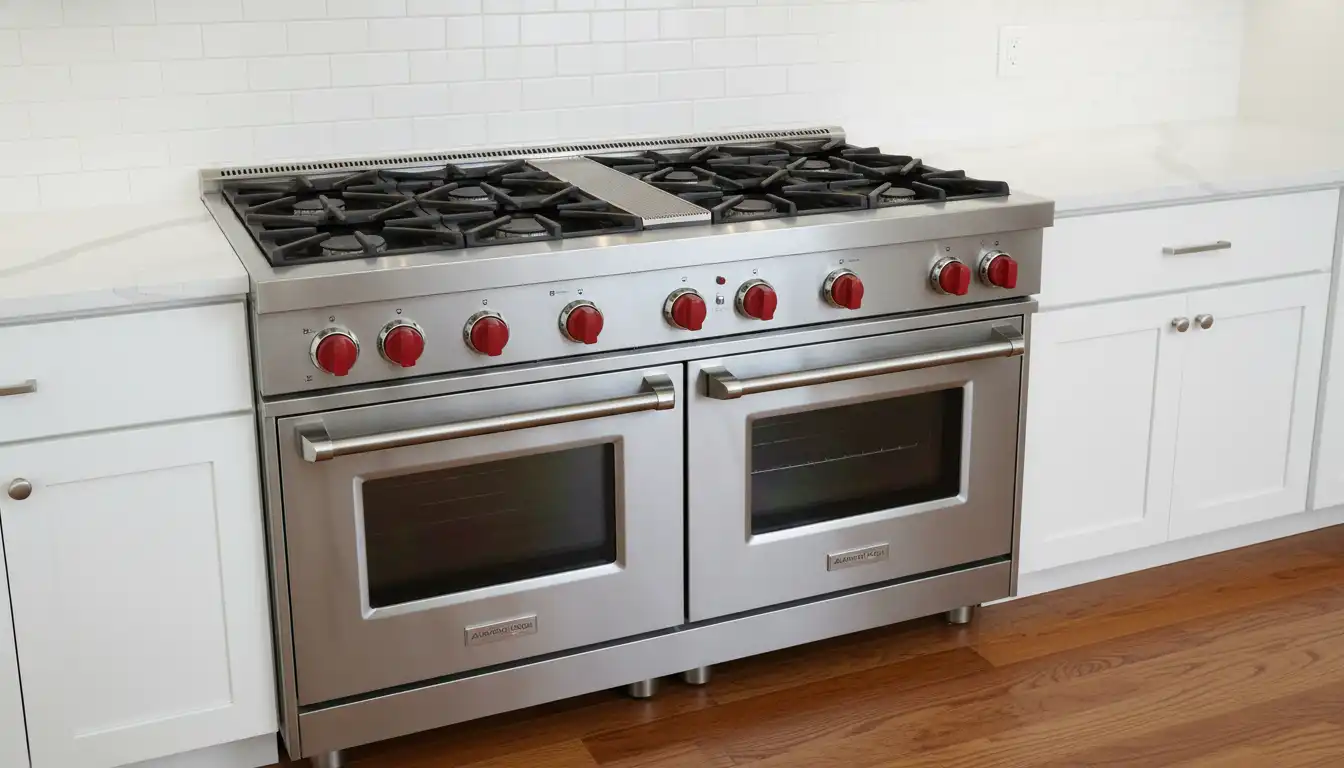
Their primary residential lines, like the Medallion Series and Cuisine Series, are celebrated for their high BTU burners, heavy-gauge stainless steel construction, and customization options. They are, in essence, workhorses designed for those who view cooking not just as a task, but as a passion. This focus on fundamentals is what attracts discerning buyers.
The Searing Truth: Common Problems in American Range Reviews
No appliance is perfect, and the very features that make American Range desirable can also be the source of its most common complaints. The internet is filled with mixed feedback, highlighting a love-hate relationship many owners experience. Understanding these potential drawbacks is crucial before making such a significant investment.
The Overheating Door & Knob Dilemma
A frequent and concerning issue mentioned by users is excessive heat. Multiple reviews point to oven doors and control knobs becoming uncomfortably, and sometimes dangerously, hot during operation. This is often a side effect of powerful gas ovens that lack the advanced insulation and cooling systems found in some competitors.
This problem isn’t just a minor inconvenience; it’s a safety concern, especially for households with children. Blocked or inadequate oven ventilation can worsen the issue, making proper installation absolutely critical. Before purchasing, it’s vital to consider if your kitchen setup can mitigate this potential heat transfer.
Ignition and Burner Inconsistencies
While prized for their power, the burners are not without their faults. Owners repeatedly report issues with igniters, from constant, annoying clicking long after the flame is lit to outright failure. Some users describe burners that won’t light consistently or have uneven flame patterns, leading to hot spots on cookware.
These ignition problems, sometimes traced back to a faulty igniter control module, can be a persistent source of frustration. For an appliance at this price point, reliability is paramount, and these inconsistencies are a significant stain on the brand’s reputation for dependable, commercial-grade performance.
The Customer Service Conundrum
Perhaps the most damaging feedback revolves around customer service. When problems arise, homeowners report significant difficulty in getting timely and effective support. Experiences range from slow response times to a lack of qualified technicians available for residential repairs, a critical issue for a brand with commercial roots.
Some customers have faced battles over warranty claims, with the company allegedly blaming installation or gas supply issues rather than product defects. This leaves owners in a frustrating limbo, caught between the dealer, the installer, and the manufacturer, with a very expensive, non-functioning appliance in their kitchen.
The Bright Side: What Owners Absolutely Love
Despite the significant issues reported, there is a large contingent of American Range owners who are fiercely loyal. For these satisfied customers, the range’s strengths far outweigh its weaknesses, providing a cooking experience they feel is unmatched in the residential market.
Unmatched Cooking Power and Precision
The number one reason chefs and serious home cooks choose this brand is raw, unadulterated power. The high-BTU burners deliver incredible heat, allowing for a perfect sear on steaks and rapid boiling of large pots of water. This is a level of performance that standard residential ranges simply cannot match.
Beyond sheer power, users praise the precise control over the flame. This allows for a wide range of cooking techniques, from maintaining a delicate simmer to flash-frying at intense temperatures. For those who demand restaurant-quality results, this capability is a game-changer.
Built Like a Tank: Durability and Construction
American Range appliances are lauded for their robust, commercial-grade construction. The heavy-gauge stainless steel, hefty cast-iron grates, and sturdy knobs give the impression of an appliance built to last for decades. This durability is a major selling point for those tired of the planned obsolescence common in consumer-grade products.
The simplicity of its mechanical design is often seen as a significant advantage. With fewer electronic components, there are simply fewer things that can break. This back-to-basics approach appeals to consumers who want a reliable workhorse, not a complicated piece of technology.
The Beauty of Simplicity: No-Frills Reliability
For many, the lack of digital displays, touch screens, and pre-programmed settings is a feature, not a flaw. This minimalist approach means the user is in complete control. It’s a pure cooking machine designed for those who trust their own skills over automated functions.
This simplicity also contributes to its perceived longevity. An investment in an American Range is often seen as a long-term commitment, much like the careful consideration that goes into selecting timeless furniture for your home. It’s about buying for quality and durability, not fleeting trends.
American Range vs. The Competition: A Head-to-Head Look
To make an informed decision, it’s essential to see how American Range stacks up against other pro-style giants. Each brand has its unique strengths and caters to a slightly different type of cook. The choice often comes down to personal priorities: raw power, technological features, or aesthetic design.
| Feature | American Range | Wolf | Thermador |
|---|---|---|---|
| Burner Technology | High BTU sealed or open burners. Focused on raw power. | Patented dual-stacked, sealed burners for precise simmer control. | Patented star-shaped burners for more even heat distribution. |
| Key Selling Point | Commercial-grade power and build quality at a competitive price. | Exceptional temperature precision, especially at low heat. Iconic red knobs. | Innovative features like the ExtraLow simmer and steam ovens. |
| Electronics | Minimal; focuses on mechanical controls for simplicity and reliability. | Advanced electronics for precise oven modes and temperature control. | Often incorporates smart features and digital displays. |
| Common Praise | Incredible heat output, durable construction, simple to use. | Superior simmer control, even baking, build quality, and customer service. | Fast preheat times, burner performance, often bundled with free appliances. |
| Common Complaints | Customer service issues, igniter problems, hot doors/knobs. | Higher price point, some electronic board failures. | Can be complex to use, some reliability concerns on newer models. |
For those considering similar brands built on a legacy of performance, exploring other options is wise. A deep dive into reviews of brands like FiveStar can provide a broader perspective on the pro-style range market and help you find the perfect fit for your cooking style.
The Verdict: Is an American Range the Right Choice for Your Home?
After weighing the extensive feedback from real-world users, a clear picture emerges. An American Range is not an appliance for everyone. It is a specialized tool designed for a specific type of user, and satisfaction hinges entirely on whether your expectations align with its unique character.
Who Should Buy an American Range?
The Culinary Purist: This range is for the serious home chef who prioritizes raw power and manual control above all else. If you want to feel connected to the cooking process and value performance over convenience features, this is your machine. It’s for the cook who wants to master the flame, not program a setting.
The Durability-Driven Buyer: If you believe “they don’t make them like they used to,” you will appreciate the heavy-duty, mechanically simple construction of an American Range. It represents a long-term investment in a kitchen centerpiece that is built to withstand heavy use, much like one might invest in high-quality, lasting pieces reviewed in evaluations of premium home furnishings.
Who Should Look Elsewhere?
The Tech-Savvy Cook: If you rely on smart features, timers, temperature probes, and pre-programmed cooking modes, you will be deeply disappointed. American Range is intentionally low-tech. Its beauty is in its simplicity, which can feel frustratingly basic to a modern user.
The Risk-Averse Homeowner: Given the consistent and widespread complaints about customer service and initial quality control issues, anyone who is not prepared for a potential battle to get things right should be wary. If the thought of dealing with unresponsive service for a major appliance causes you anxiety, it would be wise to consider brands with a stronger reputation for post-sale support, such as Wolf or Thermador.
Maximizing Your Investment: Pro Tips for American Range Owners
If you decide to take the plunge, success with an American Range often depends on proactive measures. The hidden truth is that this appliance demands more from its owner than a typical residential stove, starting from the moment it arrives.
Proper Installation is Non-Negotiable
Many of the performance issues, from uneven flames to overheating, can be traced back to improper installation. You must hire a certified technician who is experienced with pro-style ranges. They need to verify adequate gas pressure, ensure proper conversion if using LP gas, and, most importantly, install a high-powered ventilation hood. The BTU output of these ranges requires a ventilation system far more robust than a standard kitchen needs.
Mastering the Flame
Do not expect to master this cooktop overnight. The high-output burners require a learning curve. Spend time understanding the nuances of each burner, from the gentle simmer of the smallest to the ferocious heat of the largest. The key is finesse; small adjustments to the knob can produce significant changes in flame height and heat.
A Cleaning Routine That Prevents Headaches
The robust design makes cleaning straightforward but essential. Clean spills immediately to prevent them from baking onto the enamel drip pans. Season the cast-iron grates periodically, just as you would a cast-iron skillet, to maintain their finish and prevent rust. Regular maintenance is the key to keeping this workhorse looking and performing its best for years to come.
The Final Sizzle: A Summary of Our American Range Review
An American Range is a paradox. It is simultaneously a beautifully simple, powerful cooking machine and a potentially frustrating appliance plagued by quality control and service issues. It offers a taste of the professional kitchen but demands a professional-level commitment to proper installation and a high tolerance for potential problems.
The decision to buy one should not be taken lightly. It is a niche product for a passionate cook who values raw power over modern conveniences and is willing to accept the risks for the reward of a truly commercial-grade cooking experience. For the right person, it’s the ultimate culinary tool; for the wrong person, it’s a very expensive headache.