
Al’s Gritty Mix Recipe: End Root Rot and Overwatering for Good
Al’s Gritty Mix is a revolutionary soil-less potting medium developed by renowned container gardening expert Al Tapla. Designed primarily for potted plants like succulents, cacti, citrus, and houseplants, it prioritizes exceptional drainage, aeration, and root health, virtually eliminating issues like root rot from overwatering.
The simple yet effective recipe uses equal parts (1:1:1) of screened pine or fir bark fines, Turface MVP (or similar calcined clay), and crushed granite (like poultry grit). This creates a durable, fast-draining mix that promotes vigorous growth while lasting years without compacting—perfect for long-term container success.
You'll Learn About
The All-Too-Common Problem Drowning Your Potted Plants
You bring home a beautiful new houseplant, full of life and promise. You give it a sunny spot, you water it carefully, but weeks later, the leaves are yellowing, the stems are mushy, and the plant is clearly dying. The culprit is almost always the same hidden enemy: root rot from dense, waterlogged soil.
Traditional bagged potting soils are often the cause of this plant tragedy. They are typically heavy on fine particles like peat moss, which compacts over time, squeezes out vital air pockets, and holds far too much water around the plant’s delicate roots. This creates a suffocating environment where roots can’t breathe, leading directly to decay and the slow death of your beloved plant.
Why Your Standard Potting Mix Is a Recipe for Disaster
The fundamental flaw in most commercial soils is their structure. When you water a plant in a typical peat-based mix, the fine particles create what scientists call a “perched water table” (PWT). This is a layer of excess, stagnant water that lingers at the bottom of the pot, refusing to drain due to the soil’s own density.
This perched water is the primary cause of root rot. It displaces oxygen, creating an anaerobic environment where fungal and bacterial pathogens thrive. Even if the top of the soil feels dry, the bottom of the pot can remain a swamp, silently killing your plant from the roots up.
The Downward Spiral of Soil Compaction
Over months of repeated watering, the organic components in these mixes, like peat and compost, decompose and break down into even smaller particles. This process, known as soil collapse, eliminates the crucial air spaces roots need for gas exchange. The result is a dense, brick-like medium that resists water penetration when dry and stays saturated for far too long when wet.
It is this physical breakdown of the soil structure that forces gardeners into a constant cycle of repotting. You are not just refreshing nutrients; you are trying to restore the lost aeration that the previous soil destroyed. But what if you could use a soil that never breaks down?
The Ultimate Solution: Al’s Gritty Mix Explained
Born from the extensive research of a horticulturist known online as Al Fassezke (Tapla), the “gritty mix” is a scientifically designed potting medium that solves the core problems of drainage and aeration. It is a soilless mix composed of equal parts of three specific, durable ingredients. The magic of this mix lies in its uniform particle size, which virtually eliminates the perched water table and creates a perfect, consistent environment for healthy root growth.
By using solid, non-compacting particles, the mix maintains its structure indefinitely. This provides unparalleled oxygen to the roots, encourages robust growth, and makes overwatering nearly impossible. It is the definitive answer for growing healthy succulents, cacti, bonsai, and any potted plant that demands sharp drainage.
The Three Pillars of the Perfect Soil Structure
Understanding the role of each component is key to appreciating why the gritty mix works so well. Each ingredient is chosen for its specific physical properties, creating a balanced whole that provides everything roots need and nothing they don’t.
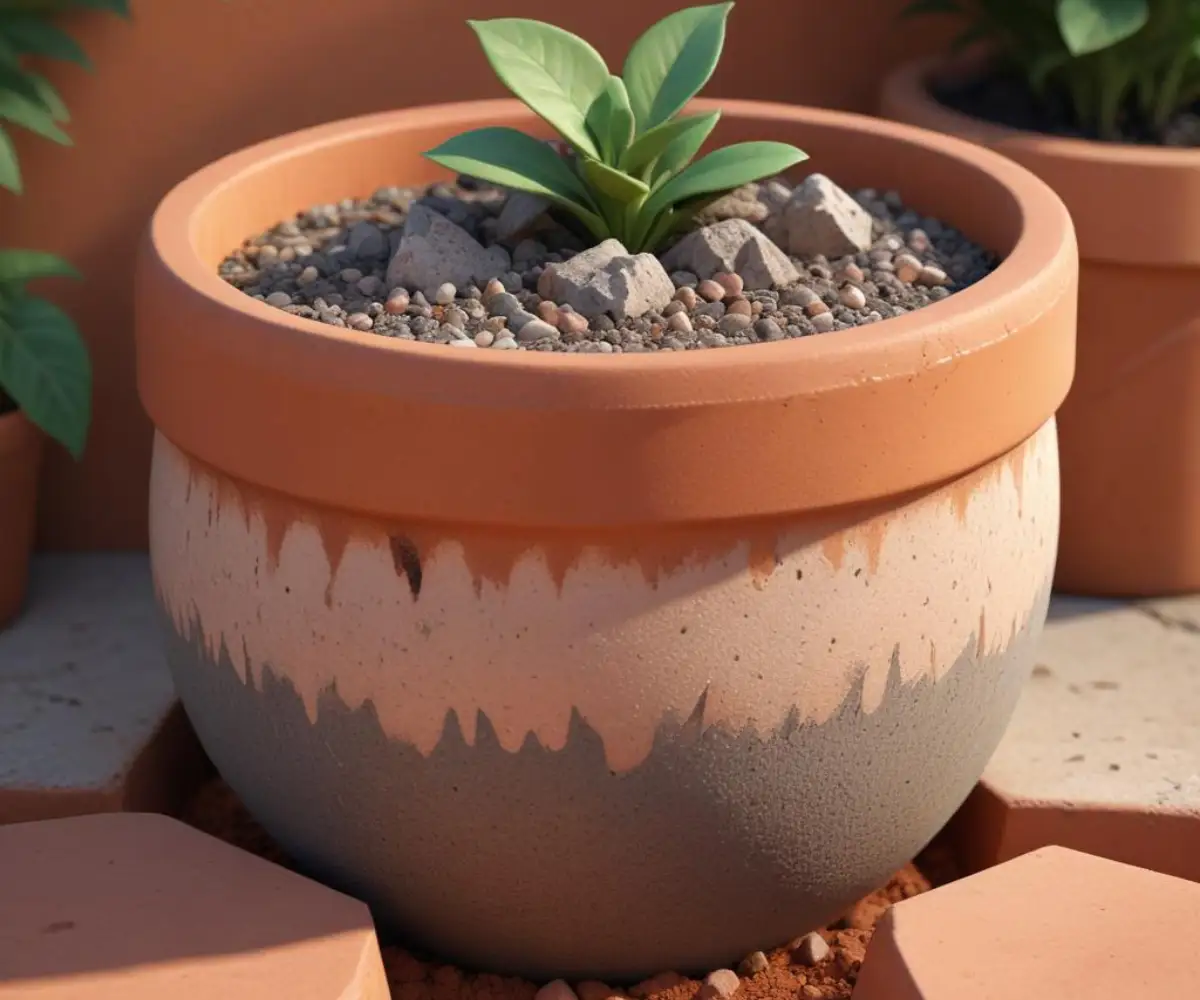
The classic recipe calls for a 1:1:1 ratio of screened bark fines, screened Turface, and crushed granite. The act of screening all ingredients to a uniform size (typically 1/8″ to 1/4″) is the single most important step in creating a successful mix.
How to Create Al’s Gritty Mix: The Classic Recipe
Making your first batch of gritty mix is a rewarding project that will pay dividends for the health of your plants. Sourcing the ingredients can sometimes be a treasure hunt, but the results are well worth the effort. Always remember to wear a dust mask when sifting and mixing the components.
Preparing your workspace and tools is a vital first step. Your pots must be clean and sterile for your plant’s long-term health. It’s similar to home projects where preparation dictates the quality of the finish; you must create a clean slate, just as you’d confirm whether to use TSP before or after sanding to guarantee a perfect paint job.
Step-by-Step Mixing Instructions
1. Sifting is Mandatory: This is the most crucial step. You must screen each component to remove any particles smaller than 1/8 inch (this fine dust is what clogs air pores and creates a perched water table). A simple kitchen colander or a dedicated bonsai sieve works perfectly.
2. Rinsing the Grit: The crushed granite, often sold as chicken grit, can be very dusty. It’s wise to rinse it thoroughly after sifting until the water runs clear to remove any fine powder.
3. Combine the Ingredients: In a large bucket or on a tarp, combine one part screened bark fines, one part screened Turface, and one part rinsed granite grit. Mix them thoroughly until you have a homogenous blend. Your gritty mix is now ready for use.
Gritty Mix Component Breakdown and Substitutes
Finding the exact ingredients can be challenging in some areas. Luckily, there are several suitable alternatives you can use, as long as you maintain the core principles of durability and uniform particle size.
| Component | Primary Function | Common Substitutes |
|---|---|---|
| Bark Fines (Fir or Pine) | Holds some moisture and air; provides an organic component that breaks down very slowly. | Screened repti-bark, fine orchid bark. Must be durable and woody. |
| Turface MVP or All-Sport | A high-fired clay particle. Holds a significant amount of water internally while maintaining large air pores between particles. High nutrient holding capacity (CEC). | Calcined diatomaceous earth (DE), such as NAPA Auto Parts floor dry #8822. Pumice. |
| Crushed Granite (Grit) | Provides weight, stability, and creates permanent air pockets. Holds no water. | #2 or #3 cherry stone, poultry grit, or any non-porous, crushed stone of the right size. |
Customizing the Mix for Your Specific Plants and Climate
The 1:1:1 ratio is a fantastic starting point, but the true beauty of gritty mix is its adaptability. You can easily adjust the ratios to create a more or less water-retentive medium based on your specific needs. This level of control is something no bagged soil can offer.
For Thirsty Plants or Hot, Dry Climates
If you are growing plants that prefer more moisture, like ferns or tropicals, or if you live in a very hot and dry environment, you can increase the mix’s water retention. Simply increase the amount of Turface or your chosen calcined clay/DE product.
A good starting point for a more moisture-retentive blend is 1 part bark, 2 parts Turface, and 1 part granite. This provides more internal water storage without sacrificing the critical aeration between particles.
For Arid Plants and Overwaterers
Conversely, if you are growing desert cacti, sensitive succulents, or are admittedly heavy-handed with the watering can, you can make the mix even faster draining. To do this, you increase the proportion of the non-porous grit component.
A classic “desert mix” would be 1 part bark, 1 part Turface, and 2 parts granite. This blend holds very little water and is almost impossible to overwater, making it perfect for the most rot-prone species.
How to Successfully Transition Plants to Gritty Mix
Moving a plant from dense soil to a coarse mix can be a shock to its system if not done correctly. The most important step is to remove all of the old soil from the roots. Leaving a core of old, water-retentive soil inside the new, airy mix will create a dysfunctional root environment and defeat the entire purpose.
The Bare-Rooting Process
Gently remove the plant from its pot and work the old soil away from the roots with your fingers. For stubborn, compacted soil, use a gentle stream of water from a hose or faucet. A wooden chopstick is an excellent tool for teasing apart the last bits of soil without damaging the delicate root structure.
Once the roots are completely clean, you can pot the plant into your gritty mix. Fill the pot partway, position the plant, and then carefully work the mix in and around the roots. Tapping the side of the pot helps the particles settle into all the voids. Do not compact the mix with your hands.
Mastering Watering and Fertilizing in Gritty Mix
Growing in gritty mix requires a shift in your watering habits. You can no longer rely on the look or feel of the top layer to judge moisture levels. The mix is designed to have a dry surface while still holding water internally within the Turface particles.
The best method for checking moisture is to use a simple, raw wooden dowel or bamboo skewer. Insert it deep into the pot, leave it for a minute, and pull it out. If it comes out dark and damp, there is still plenty of moisture. If it comes out dry, it’s time to water.
Watering and Fertilizing Regimen
When you do water, do so thoroughly. Pour water evenly over the surface until it flushes freely from the drainage holes. This ensures all particles are saturated and also flushes out any accumulating mineral salts.
Because gritty mix contains no nutrients and has a lower nutrient-holding capacity than peat-based soils, you must provide all nutrition. Use a high-quality, complete liquid fertilizer like Foliage-Pro 9-3-6 at every watering, diluted to a weak, 1/4-strength solution. This provides a constant, gentle supply of the nutrients your plants need to thrive.
The stability of this mix is especially beneficial for large, top-heavy plants in outdoor pots. The weight provided by the granite creates a solid foundation, much like choosing the best concrete for sculpture ensures your garden art can withstand the elements without toppling.
Ultimately, making the switch to a custom soil medium is about setting up your plants for success from day one. Good preparation is everything. Just as you can’t get a perfect paint finish without using the best primer after a skim coat, you can’t expect perfect plant health from a flawed soil structure.
Final Words
Ultimately, Al’s Gritty Mix is more than just a potting medium; it is a fundamental shift in how we approach plant health. By prioritizing structural integrity and oxygen exchange over traditional water retention, the mix eliminates the primary cause of houseplant failure: root rot. While it requires a more disciplined watering and fertilizing schedule, the result is a robust, resilient root system that can support vigorous growth for years without the soil collapsing or becoming anaerobic.
Embracing this gritty substrate means moving away from the “set it and forget it” mentality of peat-based soils and toward a more intentional style of gardening. It offers enthusiasts a level of precision and control that mimics the natural, rocky environments where many succulents and ornamentals thrive. If you are looking to elevate your indoor gardening and ensure the long-term longevity of your collection, Al’s Gritty Mix is arguably the most reliable foundation you can provide.
