
Allen Roth Quartz Price Per Square Foot: The Real Cost Revealed
Planning a kitchen remodel is exciting, but navigating the costs can be overwhelming. You see an advertised price for beautiful Allen + Roth quartz countertops at Lowe’s and start budgeting, only to find the final bill is significantly higher. This frustrating experience is common, leaving homeowners feeling confused and misled about the true investment required.
The advertised price per square foot for quartz is often just the starting point. The final cost is influenced by a multitude of factors that are rarely discussed upfront, from the complexity of your kitchen’s layout to the specific finish you choose. This lack of transparency makes accurate budgeting nearly impossible and can add significant stress to your home renovation project.
You'll Learn About
What Exactly is Allen + Roth Quartz?
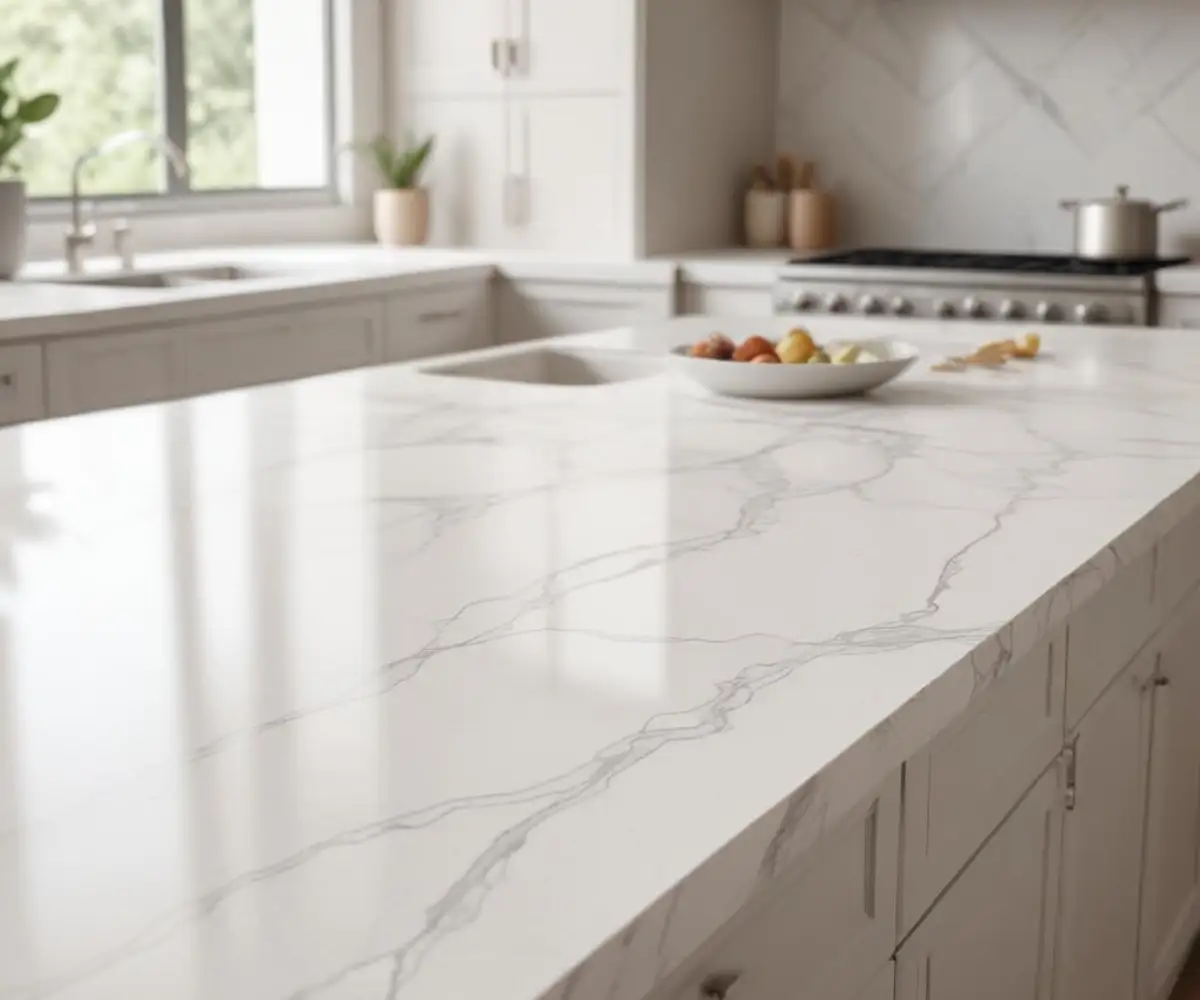
Allen + Roth is one of Lowe’s exclusive private brands, offering a stylish and accessible range of home improvement products, including quartz countertops. These countertops are engineered stone, composed of approximately 90-94% ground natural quartz and 6-10% resins and pigments. This composition makes them incredibly durable, nonporous, and resistant to scratches and stains, offering the luxurious look of natural stone without the high maintenance.
Available in a wide variety of colors and patterns, from subtle whites that mimic marble to bold, dark designs, Allen + Roth provides an option for nearly any design aesthetic. Because it’s an in-house brand, it often represents a strong value proposition, delivering a high-end look at a competitive price point. Understanding the factors that build on this base price is key to unlocking that value.
The “Sticker Price” vs. The Final Cost: What’s Included?
The number you first see on the price tag is rarely the number on your final invoice. The advertised per-square-foot cost is for the material itself, but the journey from a raw slab to a fully installed countertop involves several additional services and customizations, each with its own price tag. To budget effectively, you must understand what is and isn’t included in that initial estimate.
Decoding the Base Price Per Square Foot
The base price of Allen + Roth quartz typically covers the cost of the slab material in its most basic form. Different designs are often categorized into pricing tiers or groups based on the complexity of their pattern and the rarity of the raw materials. A simple, solid color or finely speckled pattern will generally be in a lower price group than a design with intricate, large-scale veining that mimics natural Calacatta or Carrara marble.
This initial price is your starting line. Think of it as the cost of the canvas before the artist begins to paint. It’s a crucial number, but it doesn’t account for the skilled labor and customization required to make that slab fit perfectly into your home.
Hidden Costs: Factors That Inflate Your Final Bill
Here is where the true cost of your countertops begins to take shape. Each choice you make from this point forward will likely add to the total project price. Being aware of these variables allows you to make informed decisions that align with both your design vision and your budget.
Key cost factors include:
- Slab Thickness: While 3cm is a common standard, opting for a thicker slab for a more substantial look will increase material costs. Conversely, a thinner 2cm slab might be slightly cheaper but could be perceived as less premium.
- Edge Profile: A standard, simple edge like a straight or eased profile is often included in the base installation cost. However, more decorative edges such as a bullnose, ogee, or waterfall edge require more intricate fabrication and will be an upcharge per linear foot.
- Cutouts: Every hole that needs to be cut into the slab adds to the labor cost. This includes cutouts for undermount or drop-in sinks, cooktops, faucets, and even electrical outlets in your backsplash or island.
- Backsplash: If you want a matching quartz backsplash, you’ll need to account for that additional material and installation. A standard 4-inch backsplash is a common, cost-effective option, while a full-height backsplash that extends to the upper cabinets is a more dramatic and expensive choice.
- Old Countertop Removal: The estimate may not include the demolition and disposal of your existing countertops. This service typically incurs an additional fee per square foot.
- Plumbing and Electrical: The countertop installers are not licensed plumbers or electricians. You will need to hire separate professionals to disconnect your sink and cooktop before installation and reconnect them afterward, which is a separate cost to factor into your overall budget.
How to Accurately Estimate Your Allen + Roth Quartz Cost
Getting a realistic budget requires a bit of homework before you get a formal quote. By taking your own measurements and considering your design preferences, you can have a much more productive conversation with your Lowe’s kitchen designer and avoid sticker shock later on.
Step 1: Measure Your Countertops Correctly
Accurate measurements are the foundation of a good estimate. Use a tape measure to determine the length and width of each section of your countertop in inches. For L-shaped or U-shaped kitchens, measure each leg of the counter separately as a distinct rectangle.
To calculate the square footage, multiply the length by the width of each section to get the area in square inches. Add the totals for all sections together, and then divide that final number by 144 to convert it to square feet. Always add a 10% waste factor to account for cuts and potential mistakes.
Step 2: Choose Your Slab and Edge Profile
With your measurements in hand, visit a Lowe’s store to see the Allen + Roth quartz samples in person. The colors and patterns can look different under store lighting compared to your home, so it’s wise to take samples home. Understanding the overall quality and user experience is crucial, which is why checking out comprehensive Lowe’s quartz countertops reviews can provide valuable insight before making a final decision.
Decide on your preferred edge profile. If you’re on a tight budget, sticking with a standard eased edge is the most cost-effective choice. If you desire a more decorative look, ask the designer to quote the price difference per linear foot for your preferred premium edge.
Step 3: Account for All Cutouts and Special Features
Make a detailed list of every single cutout you will need. Count your sink (is it a single or double bowl?), cooktop, faucet holes, soap dispenser, and any outlets. Each one of these represents a separate fabrication charge. Forgetting to include them in your initial calculation can lead to unexpected costs on the final bill.
Step 4: Get a Professional Quote
The only way to get a truly accurate price is to have a professional installer come to your home to create a template. This process confirms your measurements, assesses any potential installation challenges (like unlevel cabinets), and finalizes all your choices. The quote generated from this template will be the most accurate reflection of your total project cost, including materials, fabrication, and installation labor.
| Cost Component | Estimated Price Range | Notes |
|---|---|---|
| Allen + Roth Quartz Material | $55 – $85 / sq. ft. | Price varies by design tier. Does not include installation. |
| Basic Fabrication & Installation | $20 – $40 / sq. ft. | Includes templating, basic cuts, and setting the countertop. |
| Premium Edge Profile | $10 – $60 / linear ft. | Depends on complexity (e.g., bullnose, ogee). |
| Sink Cutout (Undermount) | $100 – $300 / cutout | Undermount sinks require more polishing and are more expensive. |
| Cooktop Cutout | $100 – $200 / cutout | Cost is for the labor to cut and finish the opening. |
| Old Countertop Removal | $8 – $13 / sq. ft. | Fee for demolition and disposal of your old tops. |
| Plumbing Disconnect/Reconnect | $200 – $500 | Must be hired separately; not included in countertop installation. |
Is Allen + Roth Quartz a Good Value? A Cost-Benefit Analysis
When you consider its durability, low maintenance, and wide range of attractive designs, Allen + Roth quartz presents a compelling value. While the initial investment may be higher than laminate, its longevity and resistance to damage mean you won’t be paying for repairs or replacements down the line. The nonporous surface also means you’ll never have to spend money on special sealants or cleaners.
Compared to other high-end materials like granite or marble, Allen + Roth quartz is often more affordable and always more consistent in its appearance. With natural stone, you have to select a specific slab, and there can be imperfections. With engineered quartz, the sample you choose is exactly what you get, ensuring a uniform and predictable result for your design.
Pro Tips to Save Money on Your Quartz Countertops
While quartz is an investment, there are several strategies you can employ to manage the cost without compromising on quality. A smart approach can help you get the high-end look you want while staying within your budget.
One of the most effective strategies is to align your countertop purchase with other parts of your remodel. For instance, timing your project around major sales events can lead to significant savings, especially if you can bundle it with other big-ticket items. Keeping an eye out for a Lowe’s cabinets sale is a great tactic, as you can often find package deals that reduce the overall cost of your kitchen renovation.
Additionally, opt for standard designs and features. Choosing a quartz pattern from a lower price tier and selecting an included standard edge profile can save you a substantial amount. Simplifying your design by avoiding complex curves and numerous cutouts will reduce fabrication costs. Finally, if you’re comfortable with some DIY work, handling the demolition of your old countertops yourself can eliminate that removal fee from your installer’s quote.
The Bottom Line on Allen + Roth Quartz Pricing
The Allen + Roth quartz price per square foot is more than just a number; it’s the starting point of a larger calculation. By understanding all the variables—from material tier and edge profiles to cutouts and removal fees—you can deconstruct the final cost and build a realistic budget from the ground up.
The key is to move beyond the sticker price and engage with the details. Measure your space, list your requirements, and ask your Lowe’s designer for a line-item quote that breaks down every single charge. This empowers you to see exactly where your money is going and make strategic choices that balance your aesthetic goals with your financial reality, ensuring your new quartz countertops are a source of joy, not financial stress.
