
Alleanza Quartz Reviews: The Brutal Truth Before You Buy
Choosing the perfect countertop is one of the most stressful yet critical decisions in any kitchen or bathroom renovation. The surface you select will dominate the room’s aesthetic and must endure daily use for years to come. In the vast sea of options, engineered quartz has surged in popularity, and among the rising brands, Alleanza Quartz frequently appears as a stylish and durable contender. But with a significant investment on the line, the core problem for homeowners is cutting through the marketing noise to understand how it truly performs in a real-world home and garden setting.
You’ve likely asked yourself: Will it stain from a spilled glass of wine? Can it withstand the rigors of a busy family kitchen? And crucially, is it worth the premium price tag compared to other materials and brands? The fear of choosing a surface that chips, stains, or succumbs to heat damage is a major hurdle, causing decision paralysis for many. This guide tackles those anxieties head-on, providing a comprehensive, unvarnished look at Alleanza Quartz to empower you with the confidence to make the right choice for your home.
You'll Learn About
What Exactly is Alleanza Quartz and Why the Hype?
Before diving into performance reviews, it’s essential to understand the material itself. Alleanza Quartz is not a natural stone slab cut from a quarry. It’s an engineered stone, meaning it’s a composite material crafted under factory conditions. This process provides a level of control and consistency that natural stone cannot offer.
Specifically, it is composed of approximately 90-95% crushed natural quartz crystals—one of the hardest minerals on Earth—mixed with high-performance polymer resins and pigments. This slurry is poured into a mold, compressed under immense pressure, and then cured at high temperatures to create a dense, non-porous slab. This manufacturing method is the source of quartz’s famed durability and low maintenance profile, and Alleanza positions itself as a premium, European-made option in this competitive market.
The Promise of Italian-Inspired Design
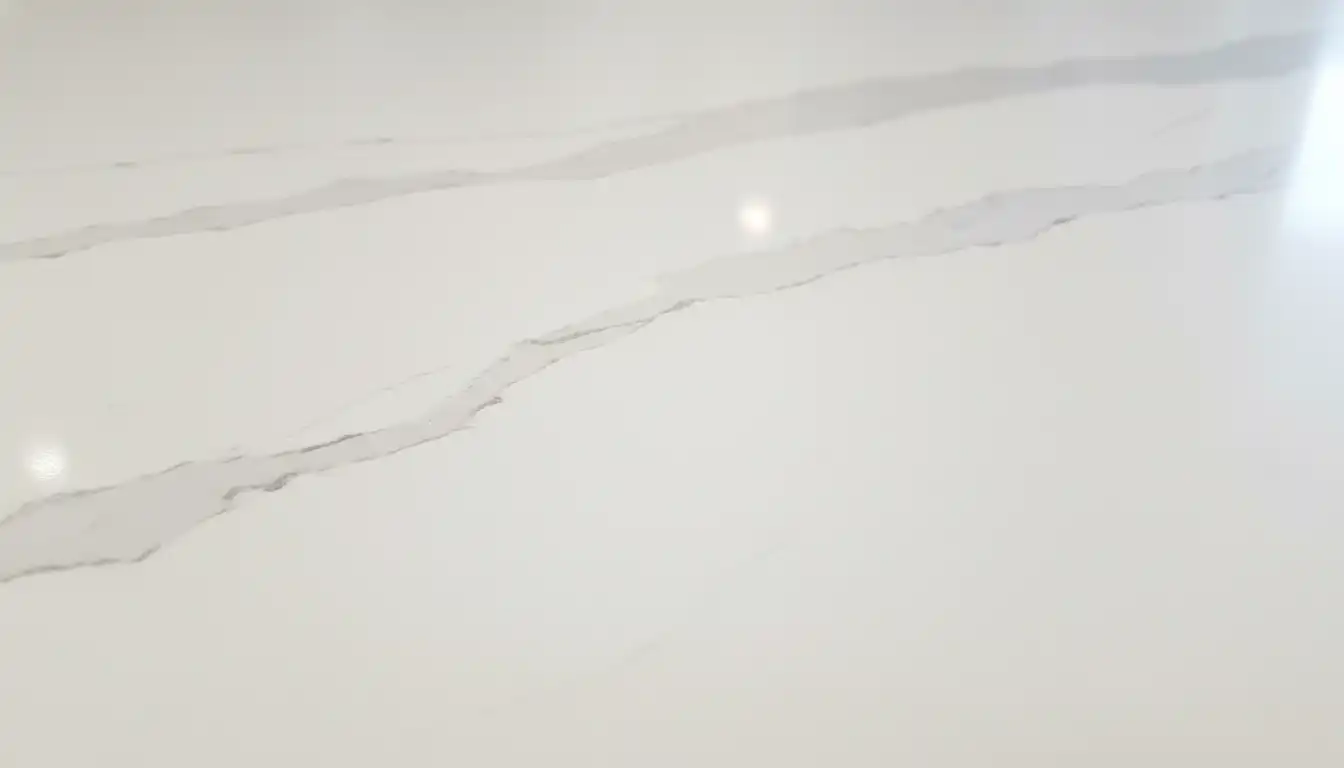
A significant part of Alleanza’s appeal lies in its aesthetic. The brand emphasizes its European and Italian-inspired designs, offering a wide array of colors and patterns. Homeowners are often drawn to its convincing marble-look slabs, which feature elegant veining but without the notorious maintenance demands of real marble. From subtle, soft whites to dramatic, bold patterns, the brand aims to cater to diverse styles, whether modern, traditional, or transitional. This combination of high-end looks and practical engineering is the primary driver behind its growing popularity.
The Core Concerns: A Deep Dive into Alleanza Quartz Performance
A beautiful countertop is worthless if it can’t handle the realities of daily life. This is where we address the most pressing questions homeowners have, moving beyond the brochure to examine real-world durability, resistance, and longevity based on the material’s properties and user feedback.
Durability and Scratch Resistance: Can It Handle Real Life?
The primary appeal of any quartz countertop is its toughness. Thanks to its high concentration of natural quartz, Alleanza slabs are exceptionally hard and resistant to scratches and chips. Everyday kitchen activities like sliding ceramic bowls, accidental drops of utensils, or the abrasive bottoms of small appliances are unlikely to cause damage. While no surface is completely indestructible, it stands up remarkably well to daily wear and tear, making it a superior choice over softer materials like marble or even some types of granite.
However, it is not a cutting board. While a stray knife slice is unlikely to leave a mark, consistently chopping directly on the surface can eventually lead to fine scratches. Best practice always dictates using a cutting board to preserve the countertop’s polished finish for the long term.
Stain Resistance: The Coffee, Wine, and Oil Test
Here is where engineered quartz truly outshines its natural stone counterparts. The manufacturing process creates a completely non-porous surface. Unlike granite or marble, which have microscopic pores that can absorb liquids and lead to deep-set stains, Alleanza Quartz does not require any sealing. Spills from notorious offenders like red wine, coffee, tomato sauce, and oil sit on the surface instead of seeping in.
This makes cleanup incredibly simple—usually just a wipe with mild soap and water is sufficient. This non-porous quality is a huge benefit, especially in kitchens where spills are inevitable. It also prevents more unusual issues, for instance, homeowners worried about porous grout might be dealing with problems like black grout bleeding, but with a non-porous surface like quartz, such absorption concerns are eliminated.
Heat Tolerance: The Hot Pan Dilemma
This is arguably the most critical vulnerability of all engineered quartz brands, including Alleanza. The resins used to bind the quartz crystals are susceptible to damage from high temperatures. Placing a hot pan or pot directly from the stove or oven onto the surface can cause thermal shock, leading to discoloration, burn marks, or even cracking. The damage from sudden, intense heat is often permanent.
This is not a minor consideration; it’s a rule that cannot be broken. Always use trivets or hot pads for any hot cookware. This simple habit is the single most important maintenance step to ensure the longevity and beauty of your Alleanza quartz countertop. While the material is heat-resistant to a degree, it is not heat-proof, and overlooking this can lead to a costly mistake.
Consistency and Seams: What to Expect from Installation
One of the aesthetic advantages of engineered quartz is its consistency. Unlike natural stone, where each slab is unique and can have unpredictable variations, Alleanza Quartz slabs are manufactured to be highly uniform in color and pattern. This makes it easier to match slabs for larger projects and ensures that the sample you choose will be a very close representation of the final installed product.
However, for large kitchens requiring more than one slab, seams are unavoidable. The visibility of these seams comes down almost entirely to the skill of your fabricator and installer. A reputable professional can create tight, clean, and well-color-matched seams that are minimally noticeable. Investing in a quality installer is just as important as investing in a quality material; a poor installation can undermine the entire project, and finding a stable, reliable company is key, as you don’t want to be left without support if you discover issues years after cabinet shops going out of business.
Alleanza Quartz vs. The Competition: A Head-to-Head Comparison
To provide clear context, it’s helpful to see how Alleanza Quartz stacks up against other popular countertop choices. Each material has its unique strengths and weaknesses, and the best option depends on your specific priorities regarding budget, maintenance, and aesthetics.
This table offers a simplified comparison to guide your decision-making process. While Alleanza holds its own as a premium quartz option, understanding the trade-offs with natural stone and other leading quartz brands is crucial for a well-rounded perspective.
| Feature | Alleanza Quartz | Granite | Marble | Other Premium Quartz (e.g., Silestone, Caesarstone) |
|---|---|---|---|---|
| Durability (Scratch/Chip) | Excellent | Very Good to Excellent | Fair to Poor | Excellent |
| Stain Resistance | Excellent (Non-Porous) | Good (Requires Sealing) | Poor (Porous and Etches Easily) | Excellent (Non-Porous) |
| Heat Resistance | Fair (Trivets Required) | Excellent | Good | Fair (Trivets Required) |
| Maintenance | Very Low (Soap and Water) | Low (Requires Periodic Sealing) | High (Requires Sealing, Prone to Etching) | Very Low (Soap and Water) |
| Price Point | Mid to High-End | Mid to High-End | High-End | Mid to High-End |
| Design Consistency | Excellent | Variable (Natural Patterns) | Variable (Natural Veining) | Excellent |
Long-Term Value: Cost, Warranty, and Maintenance
Investing in new countertops goes beyond the initial aesthetic appeal; it’s about long-term value and peace of mind. The cost of Alleanza Quartz is typically in the mid to high-end range, comparable to other premium quartz brands and quality granite. While the upfront investment is significant, it’s important to factor in the long-term savings on maintenance.
Unlike natural stone, you will never need to purchase special sealers or worry about professional resealing costs. The daily upkeep is minimal and requires no harsh or specialized chemicals. This simplicity is a major selling point for busy homeowners who want a beautiful home without a demanding maintenance schedule. The ease of care is a relief compared to the complex upkeep some household items require; you won’t need a complicated diagnostic process like figuring out why is my artificial tree shedding, for example.
Understanding the Warranty
Alleanza Quartz typically comes with a lifetime warranty, which sounds impressive and provides a sense of security. However, it’s critical to understand what these warranties cover. Generally, they protect against manufacturing defects discovered after installation, such as issues with the material’s composition. They do not cover damage from improper use, such as heat damage from hot pans, stains from harsh chemicals, or chips from heavy impact. The warranty is a safeguard against product failure, not a replacement policy for accidental damage. Therefore, proper care remains essential.
The Verdict: Is Alleanza Quartz the Right Choice for Your Home?
After a thorough review, a clear picture of Alleanza Quartz emerges. It is a high-quality, aesthetically pleasing, and highly practical countertop material that excels in the areas most important to modern homeowners: durability, stain resistance, and low maintenance.
Who It’s For:
- Busy Families: Its resistance to scratches and stains makes it ideal for high-traffic kitchens that see a lot of daily use.
- Design-Conscious Homeowners: Those who desire the look of marble or other high-end stones without the associated maintenance will find Alleanza’s designs very appealing.
- Low-Maintenance Advocates: If you want a “set it and forget it” surface that requires no sealing and simple cleaning, quartz is an excellent choice.
Who Should Be Cautious:
- The Careless Cook: If you are accustomed to placing hot pots directly on your counters, engineered quartz of any brand is not for you. The risk of thermal shock is real and the damage is often irreversible.
- Outdoor Kitchen Planners: Engineered quartz is not recommended for outdoor use. Prolonged exposure to direct sunlight and UV rays can cause the resins to yellow and fade over time.
- Those on a Tight Budget: As a premium product, Alleanza Quartz represents a significant investment. While it offers long-term value, the upfront cost may be prohibitive for some renovation budgets.
Conclusion: Making Your Final Countertop Decision with Confidence
Alleanza Quartz stands as a strong contender in the premium countertop market. It successfully delivers on its promise of combining sophisticated, European-inspired aesthetics with the robust, real-world performance that engineered stone is known for. Its superior durability, non-porous nature, and ease of care solve the most common problems associated with both natural stone and lesser-quality surfaces.
The decision ultimately hinges on your lifestyle, budget, and willingness to adhere to its one major rule: respect its vulnerability to high heat. By understanding both its impressive strengths and its critical limitations, you can move past the overwhelming sea of choices and make a decision with confidence. Choose Alleanza Quartz for its blend of beauty and practicality, and you will have a centerpiece for your home that is built to last for years to come.
