All-Drawer Kitchen Cabinets: The Outdated Flaw in Your Home
There’s a universal frustration hiding in most kitchens. It’s the daily ritual of kneeling on a hard floor, opening a cabinet door, and blindly reaching into a dark abyss to find one specific pot or pan. You rummage past stacks of cookware, knocking things over, hoping to grab the right lid—only to pull out three you don’t need.
This inconvenient, back-straining exercise is a design flaw homeowners have accepted for decades. Traditional base cabinets with stationary shelves are fundamentally inefficient, creating disorganized, hard-to-reach spaces where items get lost and forgotten. It’s time to address the real problem: your cabinets are working against you.
You'll Learn About
The Hidden Frustration: Why Your Standard Kitchen Cabinets Don’t Work
The core issue with conventional lower cabinets is their reliance on deep, fixed shelves. While they seem spacious, they create a system that is inherently flawed for accessibility and organization. This outdated design leads to a host of daily annoyances that disrupt the flow and enjoyment of your kitchen.
The ‘Bend and Dig’ Dilemma
Ergonomics are crucial in a functional kitchen, yet standard cabinets ignore them completely. Accessing items requires bending, squatting, or kneeling, which puts unnecessary strain on your back and knees. For those with mobility issues or anyone who simply wants a more comfortable cooking experience, this design is a significant drawback.
The process of retrieving a single item often involves a multi-step shuffle. You must first remove the items in the front to get to what you need in the back. This constant rearranging leads to clutter and discourages you from using the full depth of your storage space.
Wasted Space and Lost Items
A standard 24-inch deep base cabinet is a cavern of lost potential. The back half of the shelf is so inconvenient to access that it often becomes a graveyard for expired pantry goods and rarely used wedding gifts. This results in a significant loss of usable storage, even in larger kitchens.
Because you can’t easily see everything you own, you’re more likely to buy duplicate items or forget about ingredients you already have. This disorganization not only creates waste but also adds a layer of stress to meal preparation. The system actively hides your belongings from you.
The All-Drawer Revolution: Your Ultimate Kitchen Storage Solution
Imagine a kitchen where every item in your lower cabinets is visible and within reach with a single, gentle pull. This is the reality of an all-drawer kitchen cabinet design. By replacing stationary shelves with full-extension drawers, you transform your kitchen from a source of frustration into a model of efficiency and ergonomic grace.
This design isn’t just a trend; it’s a fundamental shift in how we think about kitchen functionality. An all-drawer layout solves the core problems of accessibility and organization that have plagued traditional kitchens for generations.
Unmatched Accessibility and Ergonomics
The primary benefit of drawers is that they bring the contents of your cabinet out to you. With full-extension slides, the entire depth of the drawer is accessible without reaching into a dark corner. This eliminates the need to bend and dig, making your kitchen instantly more user-friendly.
This ergonomic advantage makes the kitchen safer and more comfortable for everyone, from young children helping with chores to older adults who wish to age in place. Everything is presented at a comfortable height, reducing physical strain and making daily tasks more enjoyable.
Maximizing Every Square Inch
Contrary to what some might think, drawers offer more usable storage space than shelves. While the drawer box itself takes up some room, the ability to organize and access the entire volume of the space far outweighs this. You can stack items like plates, bowls, and even pots and pans securely and efficiently.
With smart organizational inserts, every inch of a drawer can be customized to your needs. This level of organization prevents clutter and ensures that no space is wasted, a critical advantage in both small and large kitchens alike.
Planning Your All-Drawer Kitchen: A Practical Guide
Transitioning to an all-drawer kitchen requires thoughtful planning. Success lies in understanding the different types of drawers, the critical role of hardware, and how to best map out your storage for maximum efficiency. Taking the time to plan ensures your new kitchen will be as functional as it is beautiful.
Drawer vs. Door: A Head-to-Head Comparison
To truly appreciate the superiority of a drawer-based system, it’s helpful to see a direct comparison with traditional door-and-shelf cabinets. The differences in daily use are stark and highlight why so many homeowners are making the switch.
| Feature | All-Drawer Cabinets | Traditional Door Cabinets |
|---|---|---|
| Accessibility | Excellent. Full-extension glides bring all contents into full view and reach with one motion. | Poor. Requires bending and reaching; items at the back are hard to access. |
| Usable Storage | High. The entire volume is usable and easy to organize. Allows for efficient stacking. | Low to Medium. The back half of shelves is often underutilized or becomes dead space. |
| Organization | Superior. Easily customized with dividers, peg systems, and inserts for specific items. | Difficult. Items must be stacked; prone to clutter and disorganization. |
| Ergonomics | Excellent. Minimizes strain on the back and knees. Ideal for all ages and mobility levels. | Poor. Requires frequent squatting, kneeling, and bending. |
| Cost | Higher initial investment due to hardware and construction. | Lower upfront cost for basic models. |
Choosing the Right Drawer Sizes and Types
A successful all-drawer kitchen uses a variety of drawer depths to accommodate different items. This strategic approach ensures everything has a logical and accessible home.
Shallow drawers are perfect for cutlery, utensils, spices, and linens. Medium-depth drawers are ideal for storing everyday dishes, bowls, food storage containers, and smaller pots. Deep drawers are the workhorses of the kitchen, perfectly suited for large pots, pans, mixing bowls, and even small appliances like blenders or stand mixers.
Essential Organization Systems for All-Drawer Kitchens
The true power of an all-drawer system is unlocked with the right organizational tools. These inserts transform open drawers into highly efficient, customized storage solutions. Consider implementing systems like pegboards for dishes, which allow you to create custom-fit slots that prevent items from shifting.
Vertical dividers are excellent for storing baking sheets, cutting boards, and pot lids on their sides, making them easy to grab. Tiered inserts for spices or utensils can double the storage capacity of a single drawer. This level of organization also helps maintain the cleanliness and appearance inside of white cabinets and drawers, as everything has a designated place.
Addressing the Myths: Common Concerns About All-Drawer Kitchens
While the benefits are clear, some homeowners hesitate due to common misconceptions about cost, aesthetics, and practicality. It’s important to address these concerns with factual information to make an informed decision.
Are They More Expensive?
Yes, all-drawer kitchen cabinets typically have a higher upfront cost than standard door cabinets. This is due to the additional materials, more complex construction, and the cost of quality drawer slides. However, it’s crucial to view this as a long-term investment in functionality and ergonomics.
The enhanced usability, superior organization, and added resale value often justify the initial expense. For those on a budget, exploring options from major retailers can help you find the best Lowes cabinets with drawer bases that offer a good balance of quality and price.
What About Large Appliances?
A common question is how to store bulky items like a stand mixer or a large food processor. Deep, heavy-duty drawers are the answer. A well-constructed drawer with high-quality, full-extension slides can easily handle the weight of these appliances.
Storing them in a deep drawer is far more ergonomic than lifting them from a low shelf in the back of a cabinet. For very heavy items, a cabinet with an appliance lift mechanism remains an option, but for most small appliances, a designated deep drawer is the superior choice.
Do They Look Good in Every Kitchen Style?
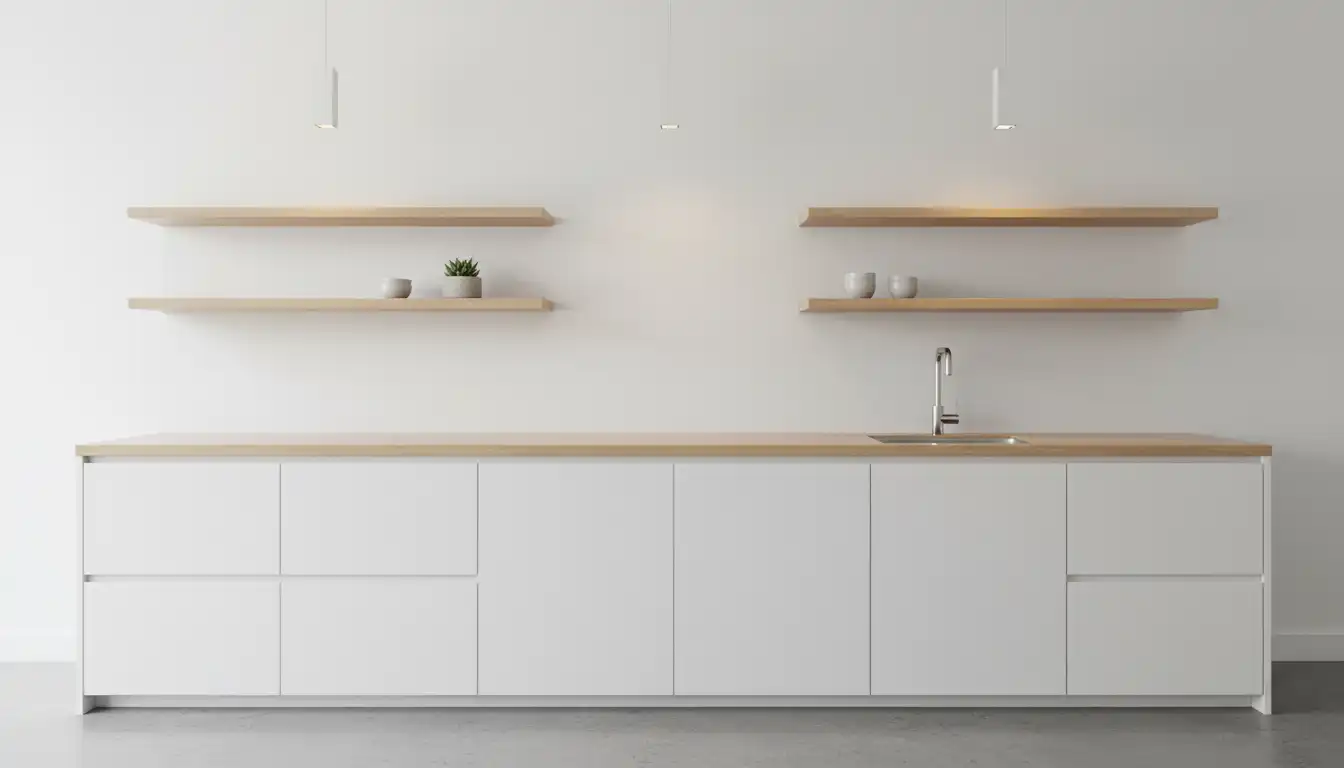
An all-drawer layout offers a clean, streamlined aesthetic that complements a wide range of kitchen styles, from ultra-modern to traditional farmhouse. The horizontal lines created by the drawers can make a space feel wider and more contemporary. With a vast selection of cabinet fronts, finishes, and hardware, an all-drawer design can be tailored to fit any decor.
The Long-Term Value: Why Drawers Are a Smarter Investment
Choosing all-drawer kitchen cabinets is more than a design decision; it’s a strategic investment in your home’s functionality, durability, and overall value. The long-term benefits extend far beyond daily convenience.
Durability and Hardware Considerations
The single most important component of a drawer cabinet is its hardware. High-quality, full-extension, soft-close drawer slides are non-negotiable. They ensure smooth and quiet operation, prevent slamming that can damage the cabinets and their contents, and can support significant weight.
Investing in robust hardware from reputable brands ensures your drawers will function flawlessly for years to come. When evaluating different cabinet lines, pay close attention to the quality of the slides, as this is a key indicator of overall durability, a factor often highlighted in discussions of brands like those in B. Jorgsen & Co reviews.
Boosting Your Home’s Resale Value
A modern, highly functional kitchen is a major selling point for any home. Potential buyers recognize and appreciate thoughtful design features that make life easier. An all-drawer kitchen is a premium feature that signals quality, smart design, and superior functionality.
This ergonomic and efficient layout can make your home stand out in a competitive market, often leading to a higher resale value and a quicker sale. It demonstrates a commitment to quality and a forward-thinking approach to home design that savvy buyers value.