
Albino Grass Mystery: Is Your Lawn Sick? Here’s the Truth
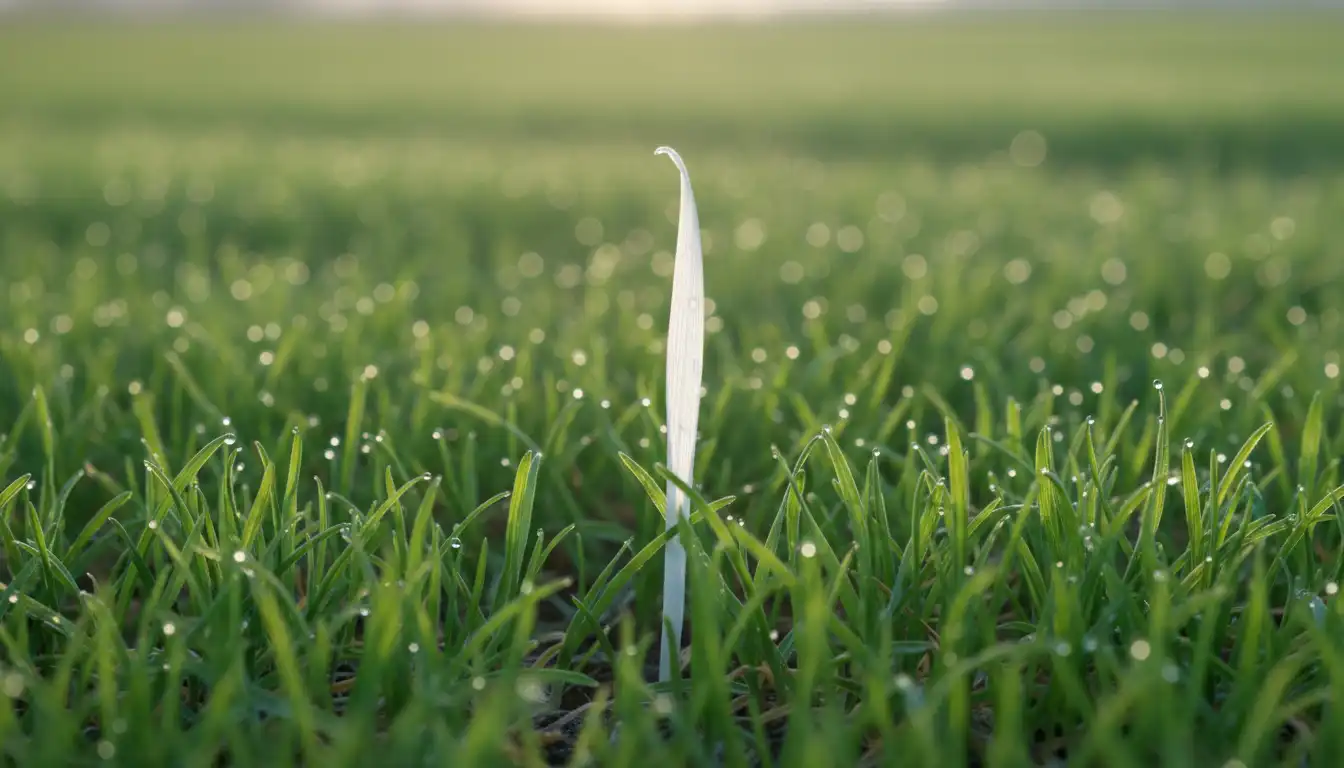
There are few sights more perplexing to a dedicated homeowner than looking out over a lush, green lawn only to spot ghostly white blades of grass. This phenomenon, often dubbed “albino grass,” can cause immediate concern. It stands out as an anomaly against the vibrant green, prompting questions about lawn health, disease, and potential long-term damage.
The appearance of white grass is a clear signal that something is amiss within the turf ecosystem. Understanding the root cause is the first step toward a solution, but the answer isn’t always straightforward. This guide will demystify the causes of white grass and provide a clear, actionable plan to restore your lawn to its verdant glory.
You'll Learn About
What is “Albino” Grass? Unraveling a Genetic Rarity
True albino grass is a fascinating but exceptionally rare occurrence. In the botanical world, albinism is characterized by a complete loss of chlorophyll, the pigment that gives plants their green color and is essential for photosynthesis. Just like in animals, this is a genetic mutation.
An albino seedling lacks the genetic code to produce chlorophyll. While it may germinate, its lifespan is incredibly short. Without the ability to convert sunlight into energy, the seedling cannot sustain itself and will perish quickly. Therefore, finding a mature, thriving lawn suddenly developing true genetic albinism is biologically impossible.
The Real Culprits: Why Your Established Grass is Turning White
When homeowners see white blades in their established lawn, it’s not a genetic mutation but a symptom of an underlying problem. This discoloration, known as chlorosis, is the lawn’s cry for help. The most common causes fall into a few key categories: fungal diseases, chemical exposure, and environmental stress.
The Unseen Enemy: Fungal Diseases
One of the most frequent causes of white grass is a fungal infection known as powdery mildew. This disease creates a dusty, flour-like coating on the grass blades, which can make the lawn appear white or grayish. It thrives in cool, humid, and shady conditions with poor air circulation.
Another fungal issue is dollar spot, which creates small, circular, straw-colored patches that can sometimes appear white, especially in the early morning dew. While the patches themselves are typically tan, the mycelium—the fungal threads—can look like white cobwebs on the grass surface. Left untreated, these spots can merge and cause significant damage.
Chemical Warfare in Your Backyard: Herbicide Damage
The misapplication of certain herbicides is a primary cause of grass turning white. Specific chemicals, notably those containing the active ingredient mesotrione (found in products like Tenacity), are designed to inhibit chlorophyll production in targeted weeds. This effectively bleaches the weeds, causing them to turn white and die.
However, if this type of herbicide is over-applied, applied to the wrong type of grass, or if the turf is stressed, it can have the same bleaching effect on the lawn itself. While often temporary, this chemical-induced whitening is a clear sign of stress and improper application. It’s crucial to always read and follow the product label directions to avoid this outcome.
Environmental Stress and Nutrient Deficiencies
Your lawn’s environment plays a massive role in its health and color. A critical issue is iron chlorosis, which occurs when the grass cannot take up enough iron from the soil. Iron is essential for chlorophyll synthesis. High soil pH, soil compaction, and overwatering can all block iron absorption, leading to yellow or white blades, particularly in new growth.
General stress from improper lawn care can also lead to discoloration. Mowing the grass too short, a practice known as “scalping,” can stress the plant and cause the cut tips to appear white and shredded. Likewise, drought stress or extreme heat can cause the lawn to lose its color as it enters dormancy, sometimes appearing pale or whitish before turning brown.
Your Action Plan: A Step-by-Step Guide to Restoring Your Lawn’s Vibrancy
Seeing white grass doesn’t mean your lawn is beyond saving. With a methodical approach, you can diagnose the problem and implement the right solutions to bring back the green. The key is to move from diagnosis to action systematically.
Step 1: Become a Lawn Detective – Accurate Diagnosis is Key
Before you can treat the problem, you must correctly identify it. Get down on your hands and knees and examine the affected areas closely. Are the blades coated in a powder? Do you see distinct spots? Is the whitening uniform across the entire blade? Use the following table to help guide your initial diagnosis.
| Symptom | Likely Cause | First Action Step |
|---|---|---|
| Fine, white, powdery coating on blades | Powdery Mildew | Improve air circulation and sunlight exposure. |
| Distinct circular patches of bleached grass | Dollar Spot | Check soil moisture and fertilization levels. |
| Widespread, uniform whitening after a chemical application | Herbicide Injury | Water the area deeply to dilute the chemical. |
| Newest grass blades are yellow or white with green veins | Iron Chlorosis | Perform a soil test to check pH and nutrient levels. |
| Shredded, white tips after mowing | Dull Mower Blades / Scalping | Sharpen mower blades and raise the cutting height. |
Step 2: Soil Health is Paramount – Test, Don’t Guess
Many lawn problems, including discoloration, start in the soil. A professional soil test from a local cooperative extension is one of the best investments you can make for your lawn. It provides a detailed report on your soil’s pH and nutrient levels.
If the test reveals a high pH, which can lock up iron, you may need to apply elemental sulfur to lower it. If a specific nutrient like iron or nitrogen is deficient, you can apply targeted fertilizers to correct the imbalance. A healthy soil foundation is crucial for a resilient lawn.
Step 3: Targeted Treatments for Diseases and Misapplications
For fungal diseases like powdery mildew, improving environmental conditions is the best defense. Prune overhanging tree branches and thin dense shrubs to increase sunlight and airflow. Avoid watering in the evening, as lingering moisture can encourage fungal growth. For persistent issues, a targeted fungicide may be necessary.
If you suspect herbicide damage, the best immediate action is to water the affected area thoroughly to help flush the chemical from the soil. The grass will often recover and grow out of the discoloration within a few weeks. To prevent future issues, consider the tools you use; having the right equipment can make all the difference, and understanding the nuances between brands like when looking at Hart vs Hyper Tough can ensure you have reliable tools for proper application.
Step 4: Master Your Core Lawn Care Practices
Often, the best cure is prevention. A strong, healthy lawn is far less susceptible to diseases and stress. Recommit to the fundamentals of lawn care:
- Mowing: Never cut more than one-third of the grass blade’s height at a time. Sharpen your mower blades regularly to ensure a clean cut, not a tear.
- Watering: Water deeply but infrequently (about 1 inch per week) in the early morning. This encourages deep root growth and allows the foliage to dry during the day.
- Fertilizing: Follow a consistent fertilization schedule based on your grass type and the results of your soil test.
Adhering to these best practices builds a turf that is robust and naturally resistant to the problems that cause whitening. Proper technique is essential, whether you are fertilizing your lawn or learning how to spray oil based stain on a deck; the principles of even application and following instructions remain the same.
The Deeper Science: Understanding Pigment and Photosynthesis
To truly appreciate lawn health, it helps to understand what’s happening at a microscopic level. The green color of your grass comes from chlorophyll, a pigment housed within chloroplasts in the plant’s cells. Chlorophyll’s job is to absorb light energy for photosynthesis, the process that feeds the plant.
When a grass blade turns white, it signifies a disruption in this critical process. Fungal diseases physically cover the leaf surface, blocking sunlight. Herbicides can directly inhibit the enzymes needed for chlorophyll production. Nutrient deficiencies, like a lack of iron, remove a key building block for the chlorophyll molecule itself. The white color is the visual evidence of a photosynthetic factory that has shut down.
Long-Term Prevention: Building a Resilient, “Albino-Proof” Lawn
Beyond immediate fixes, the goal is to create a lawn that is strong enough to fend off these issues in the future. Proactive care is the most effective strategy. One powerful technique is overseeding your lawn every few years with high-quality, certified grass seed varieties that are bred for improved disease resistance.
Developing a seasonal lawn care calendar can also help you stay ahead of potential problems. This includes tasks like aeration to reduce soil compaction and dethatching to remove the layer of dead organic matter that can harbor fungal pathogens. Thinking about your garden holistically, from the lawn to the flower beds, helps create a healthier overall ecosystem. Just as you might wonder what does weigela look like in winter to plan your garden’s appearance, planning your lawn’s seasonal care ensures its year-round health.
When to Call in the Professionals
While many causes of white grass can be addressed with DIY methods, there are times when professional help is warranted. If the problem is widespread, rapidly worsening, or if you’ve tried the solutions above without success, a certified lawn care professional or agronomist can provide an expert diagnosis.
They have access to advanced diagnostic tools and professional-grade treatments that may not be available to homeowners. An expert consultation can save you time, money, and frustration in the long run, putting your lawn on the fast track to recovery.
Conclusion: From White Mystery to Green Mastery
The sudden appearance of “albino grass” can be alarming, but it is rarely a lawn death sentence. More often, it is a clear and direct symptom of a specific, solvable problem. By acting as a lawn detective, you can trace the white blades back to their source, whether it’s a fungal disease, a chemical misstep, or a hidden issue within the soil.
By shifting your focus from a reactive treatment to a proactive strategy of building strong soil and mastering fundamental care practices, you can cultivate a resilient, vibrant green lawn. The mystery of the white grass becomes an opportunity to better understand and care for your home’s living landscape, turning a moment of concern into a journey toward green mastery.
