
Air Bath Reviews: The Truth About Bubbles, Heat Loss, and Hygiene
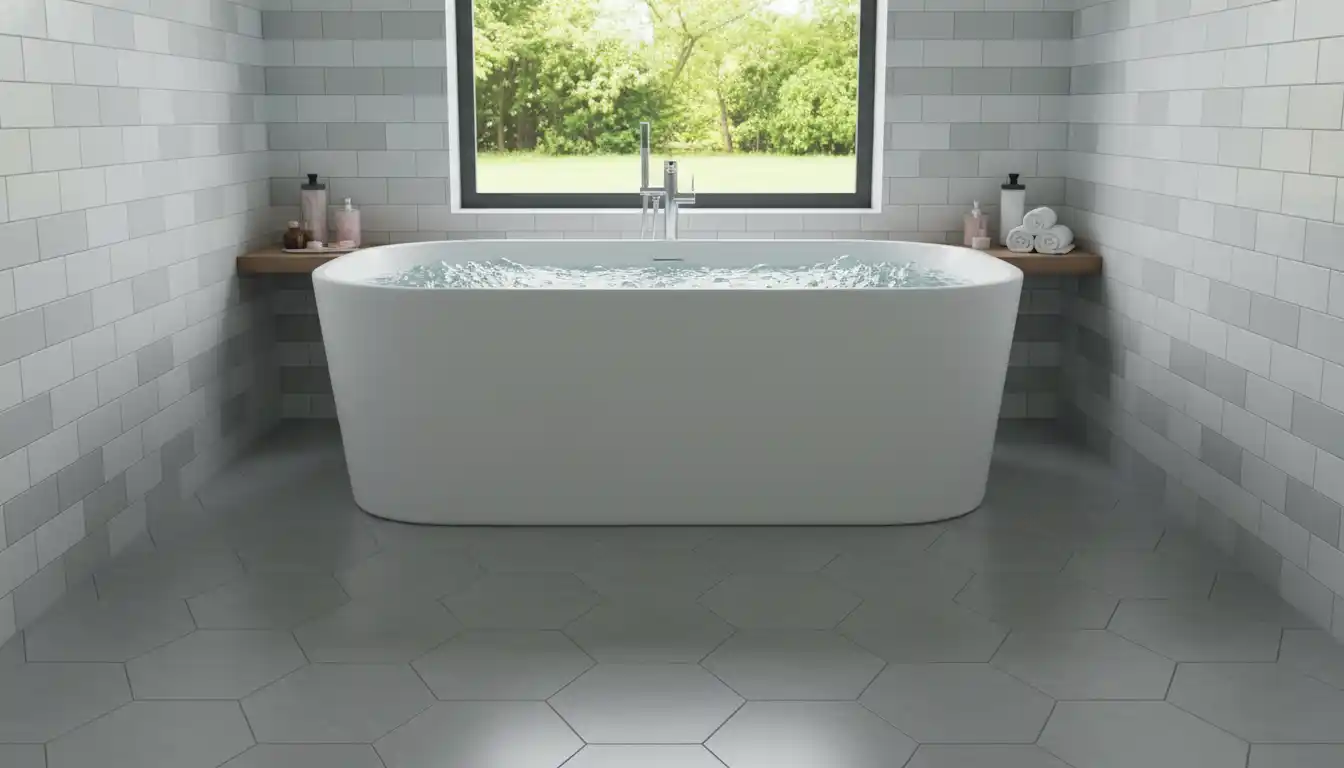
For homeowners seeking a spa-like experience without the maintenance nightmares of traditional jetted tubs, the air bath has emerged as a popular contender. However, glossy brochures often gloss over the practical realities of owning one. An air bath uses a blower to force warm air through tiny holes in the tub’s perimeter, creating a gentle, effervescent “champagne bubble” massage that is far more hygienic and easier to maintain than water-jet whirlpools, though it offers a softer sensation and tends to cool bathwater faster.
Before you commit thousands of dollars to a bathroom renovation, it is crucial to understand the mechanics, the sensory experience, and the installation nuances that manufacturers rarely advertise. This guide cuts through the marketing fluff to provide a realistic look at air bath ownership, from the thermodynamics of cooling water to the “ghost” noises that might startle you at night.
You'll Learn About
Understanding the Air Bath Difference
Many buyers confuse air baths with whirlpools, but the technology and experience are fundamentally different. While a whirlpool recirculates bathwater through pipes and shoots it back out at high pressure, an air bath injects outside air into the water.
The Sensation: Massage vs. Effervescence
If you are expecting the pummeling deep-tissue massage of a Jacuzzi-style whirlpool, an air bath will disappoint you. The sensation is often described as a light, full-body caress. Thousands of bubbles rise from the bottom of the tub, stimulating the skin’s surface rather than manipulating the muscle tissue. This creates a relaxing, weightless feeling similar to floating in a carbonated spring. For users with sensitive skin or elderly bathers who find high-pressure jets painful, this is a significant upgrade. However, for athletes seeking muscle recovery, the air bath provides only mild therapeutic relief.
The Hygiene Advantage
The primary reason homeowners switch to air baths is hygiene. Traditional whirlpools circulate water through internal pipes where stagnant water can sit between uses, breeding black mold and bacteria. When you turn on an old whirlpool, you often get a blast of “black flakes.” Air baths do not circulate water. They pump air. Furthermore, because the air creates positive pressure, water is prevented from entering the air channels. This design makes them inherently cleaner and requires far less aggressive chemical maintenance.
The “Real” User Complaints: Heat and Noise
While the hygiene benefits are clear, user reviews frequently highlight two major pain points that sales representatives often minimize: the cooling effect and the noise level.
The Thermodynamics of Air Injection
A common complaint in air bath reviews is that the water cools down rapidly. This happens for two reasons. First, the blower takes room-temperature air (typically 70°F) and injects it into 104°F water. Even with a “heated blower,” the air cannot be heated instantaneously to match the water temperature; the heater primarily prevents the air from feeling icy against your skin. Second, the millions of bubbles drastically increase the surface area of the water, accelerating evaporation and heat loss. To combat this, you must plan to start your bath with hotter water than usual or look for tubs with inline water heaters, though these are less common on pure air systems.
The “Vacuum Cleaner” Noise Factor
Air baths are powered by a blower motor, essentially a high-powered fan. Depending on the brand and installation, this can sound like a vacuum cleaner running in your bathroom. While the bubbles themselves make a soothing fizzing sound, the mechanical whine of the motor can disrupt the tranquility. High-end brands like BainUltra or Kohler offer quieter motors, but the physics of moving air at high velocity creates inevitable noise. The solution lies in the installation method, which we will discuss later.
The “Ghost” Purge Cycle
New owners are often terrified when their air bath turns itself on 20 minutes after they have drained the tub. This is not a malfunction; it is a critical hygiene feature. The system runs a “purge cycle” to blow any remaining moisture out of the air channels to prevent mold growth. While this ensures cleanliness, it can be startling if you aren’t expecting a loud whoosh of air while you are brushing your teeth.
Critical Installation and Maintenance Advice
The difference between a luxury experience and a regretful purchase often comes down to installation details. Proper planning during the rough-in phase can solve most noise and maintenance issues.
Remote Blower Installation
To solve the noise problem, you should opt for a remote blower installation if your home’s layout permits. Instead of mounting the blower motor directly under the tub, you can install it in a nearby closet, vanity cabinet, or even a heated attic space up to 15 feet away. This isolates the mechanical noise, leaving you with only the sound of rushing bubbles. This requires careful planning of the air piping and electrical access, similar to how you might troubleshoot a collet connector stuck in a complex plumbing setup, ensuring all connections are secure and accessible.
Electrical and Structural Needs
Air baths generally require a dedicated 15-amp or 20-amp GFCI circuit. If you are adding a heater, you may need a second dedicated circuit. Furthermore, these tubs are often deeper than standard tubs. If you are removing an old alcove tub, you will likely damage the surrounding walls. When repairing the bathroom walls, ensure you properly seal any damaged drywall paper before painting or tiling. Using a product like a torn drywall paper sealer from Kilz ensures the humidity from the bath doesn’t compromise your new wall finish.
Comparing Top Brands and Features
Choosing a tub brand is a significant commitment. Much like the debate between KraftMaid vs Thomasville cabinets, the choice often comes down to construction quality and customization options rather than just the price tag.
BainUltra
Often considered the gold standard, BainUltra specializes in air baths (ThermoMasseur). Their air jets are drilled directly into the tub shell rather than using plastic caps, making them invisible and comfortable to sit on. They are known for superior heated backrests and a relatively quiet operation.
Kohler
Kohler’s “BubbleMassage” line is a popular mainstream choice. They offer excellent availability and a wide range of designs. Their jets are effective, though some users find the plastic housings slightly noticeable compared to drilled channels. Their warranty and customer support are generally reliable.
Toto
Toto offers high-end “Airjets” with a focus on quiet operation and smooth aesthetics. Their tubs are often deeper, allowing for a true soaking experience, but they come at a premium price point.
Detailed Comparison: Air Bath vs. Whirlpool vs. Soaker
The following table breaks down the key differences to help you decide which hydrotherapy system fits your lifestyle.
| Feature | Air Bath | Whirlpool (Water Jets) | Standard Soaking Tub |
|---|---|---|---|
| Sensation | Gentle, full-body fizz; light massage. | Deep tissue, targeted muscle relief. | Still water; heat and buoyancy only. |
| Hygiene | High. Air dries channels; auto-purge cycle. | Low to Moderate. Pipes retain water; requires flushing. | Very High. No internal pipes to clean. |
| Heat Retention | Low. Air bubbles cool water rapidly. | Moderate. Recirculated water retains heat better. | High. Cast iron/acrylic holds heat well. |
| Maintenance | Low. Periodic non-abrasive cleaning. | High. Monthly chemical flushes required. | Lowest. Standard surface cleaning. |
| Noise Level | Moderate/High (Blower whine). | Moderate (Pump vibration and water turbulence). | Silent. |
| Bath Products | Safe for bath salts and bubbles (in moderation). | Restricted. Oils/salts can clog internal pumps. | Safe for all bath bombs, oils, and salts. |
Air Bath Reviews: Frequently Asked Questions
What is the fundamental difference between an air bath and a whirlpool tub?
The primary difference lies in the mechanism of hydrotherapy. A whirlpool circulates water through high-pressure jets to provide a vigorous, deep-tissue massage. In contrast, an air bath utilizes a blower to push warm air through thousands of tiny holes or injectors at the bottom of the tub. This creates an effervescent, champagne-like bubbling sensation that offers a gentle, full-body sensory experience rather than a targeted muscle massage.
Do air bath bubbles cause the bathwater to cool down faster?
Yes, introducing air into hot water can accelerate heat loss through evaporation and turbulence. However, most high-quality air baths address this issue by incorporating an inline heating element within the air blower. This warms the air before it enters the water, significantly slowing the cooling process and allowing for a longer, comfortable soak compared to older models without heating elements.
Are air baths more hygienic than traditional jetted tubs?
Air baths are generally considered superior in terms of hygiene. Unlike whirlpools, which recirculate dirty bathwater through internal piping where bacteria and mold can grow, air baths push air out into the water. Most systems feature non-return valves that prevent water from entering the air channels. Additionally, the lack of standing water in the system prevents the buildup of “black flakes” often associated with older jetted tubs.
What is the automatic purge cycle, and why is it important?
The purge cycle is a critical hygiene feature found in almost all modern air baths. Roughly 15 to 20 minutes after you drain the tub, the blower automatically activates for a minute or two. This blast of air dries out any residual moisture in the air channels and injectors, preventing mildew or bacterial growth. This self-cleaning capability is a major factor in positive air bath reviews.
Can I use bath salts, essential oils, or bubble bath in an air bath?
Yes, one of the significant advantages of an air bath over a whirlpool is the ability to use therapeutic additives. Because the system blows air out and does not circulate water through internal mechanics, salts and oils will not clog the system or damage pump seals. However, users should be cautious with bubble bath products, as the vigorous air injection can create an overwhelming amount of foam very quickly.
Do air baths provide a deep tissue massage?
No, an air bath is not designed for deep tissue therapy. If your goal is to work out knots in muscles or address sports injuries, a whirlpool or a hybrid system is more appropriate. Air baths provide a soft tissue massage that stimulates skin receptors and promotes general relaxation and increased circulation, which is often described as a feeling of weightlessness.
How loud is the blower motor on an air bath?
Noise is a common consideration in reviews. The sound is often compared to a vacuum cleaner running in the distance or a hair dryer. High-end models often feature variable-speed blowers that allow you to lower the intensity and, consequently, the noise. The sound of the turbulent water often masks the motor noise, and proper installation—such as insulating the motor space—can further dampen the sound.
Does the heated blower actually heat the water?
It is a common misconception that the heated blower acts as a water heater. The heating element in the blower is designed to warm the air being injected so that it does not cool the water instantly. It helps maintain the water temperature for a longer period, but it is not powerful enough to raise the temperature of cold water or act as a substitute for your home’s hot water supply.
Are the air injectors uncomfortable to sit on?
Generally, no. Unlike whirlpool jets, which can protrude and dig into the back or hips, air injectors are typically tiny holes drilled directly into the floor and sides of the tub or very flat, flush-mounted caps. This design ensures that the texture of the tub remains smooth and comfortable, allowing you to recline without feeling plastic hardware against your skin.
How much maintenance does an air bath require compared to a standard tub?
Air baths require very little maintenance beyond standard cleaning. Because the system dries itself out via the purge cycle, you do not need to run chemical cleaners through the jets as you would with a whirlpool. Regular cleaning involves simply washing the tub surface with a non-abrasive acrylic cleaner to remove soap scum and body oils.
Final Verdict: Is an Air Bath Right for You?
An air bath is an excellent investment if you prioritize hygiene and relaxation over therapeutic muscle work. The “champagne” effect is luxurious and soothing, perfect for unwinding after a stressful day. However, if you are sensitive to noise or enjoy long, hot soaks without adding more hot water, the mechanical hum and cooling effect might be dealbreakers.
To maximize satisfaction, prioritize a remote blower installation to kill the noise and ensure your water heater is large enough to top off the tub mid-bath. By understanding the mechanics of the purge cycle and the thermal realities of air injection, you can enjoy a spa-quality bath without the surprise of cold water or phantom noises.
