Adding a Second Furnace: The Ultimate Fix for Uneven Home Heat?
Are you constantly fighting thermostat wars in your own home? One room feels like a sauna while another is an icebox. This is a frustratingly common problem, especially in larger or multi-story houses.
You’ve tried closing vents, using space heaters, and maybe even looked into complex fixes. But the core issue remains: your single furnace just can’t keep up. The question then becomes a big one: is it time to consider adding a second furnace?
You'll Learn About
Why Your Single Furnace Is Failing You
Before diving into the solution, it’s crucial to understand the problem. A single furnace system, known as a forced-air system, is designed to be a one-size-fits-all solution. For many homes, this works perfectly well.
However, in certain situations, its limitations become glaringly obvious. The most distant rooms often receive weak airflow, as the air loses pressure and temperature traveling through long duct runs. Heat naturally rises, leaving upper floors uncomfortably warm while the first floor remains chilly.
The Telltale Signs You’ve Outgrown Your HVAC System
Recognizing the signs is the first step. If you’re experiencing one or more of these issues, your home is a prime candidate for a heating system overhaul.
You might have a home addition that was tacked onto the existing ductwork, creating an imbalance. Or perhaps your sprawling, open-concept layout is simply too much for one central unit to handle effectively. These are not small issues; they are fundamental flaws in your home’s comfort system.
The Two-Furnace Solution: True Zoned Heating
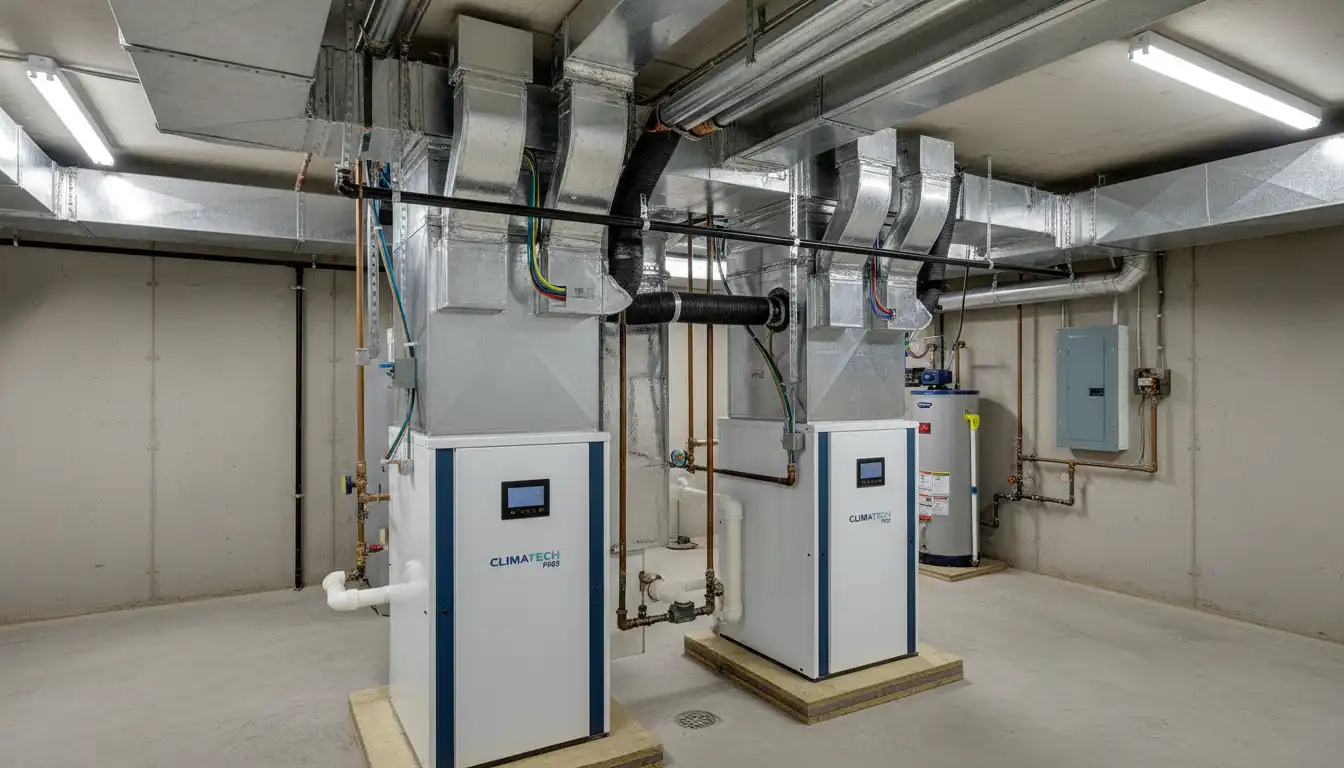
Adding a second furnace is the definitive way to create a true multi-zone heating system. Instead of one thermostat controlling the entire house, you get two independent systems. One furnace can manage the upstairs, while the second handles the main floor and basement.
This separation provides unparalleled temperature control. You can set the upstairs to be cooler during the day and warmer at night, while the downstairs stays comfortable for daily activities. This isn’t just a patch; it’s a fundamental upgrade to how your home manages comfort.
The Top 3 Benefits of a Dual-Furnace System
The advantages go far beyond simply fixing cold spots. A dual-furnace system offers a trio of compelling benefits that enhance your home’s value and livability.
First is ultimate comfort control. Each zone gets its own dedicated thermostat, ending the family disputes over the temperature setting. Second is improved energy efficiency. You’re no longer overheating the second floor just to make the first floor tolerable, which means each unit runs less often and more effectively. Third is system redundancy. If one furnace has an issue, like a furnace blower motor that is slow to start, you still have a reliable source of heat from the other unit.
Is a Second Furnace Right for Your Home?
This upgrade is a significant investment, so it’s not the right choice for every situation. However, for certain types of homes, it’s often the most logical and effective long-term solution.
Consider this option seriously if your home is over 3,000 square feet, has two or more stories, or features a sprawling layout. Homes with large additions, vaulted ceilings, or extensive glass windows are also excellent candidates. These features create unique heating challenges that a single system struggles to overcome.
Don’t Forget the Alternatives
Before committing to a second furnace, it’s wise to explore other options. Sometimes, a less drastic measure can make a significant difference. A thorough evaluation of your current system is the best place to start.
Ensure your ductwork is properly sealed and balanced. Leaky ducts can lose a tremendous amount of heated air before it ever reaches the registers. For a more advanced solution, a sophisticated zoning system with automated dampers can be retrofitted to your existing ductwork, though it has its own limitations.
Finally, never underestimate the power of proper insulation. Improving your attic furnace insulation can dramatically reduce heat loss, making your existing system more effective. Sometimes the simplest solution is the best one.
Comparing Major HVAC Upgrade Costs
Understanding the financial side is critical. A second furnace is a major project, but so are the primary alternatives. The following table provides a general comparison to help you weigh your options.
These figures are estimates and will vary based on your location, home size, and the complexity of the installation. Always get multiple quotes from qualified HVAC professionals.
| HVAC Solution | Estimated Cost Range (Installed) | Pros | Cons |
|---|---|---|---|
| Adding a Second Furnace | $5,000 – $12,000 | True independent zoning, maximum comfort, system redundancy. | Highest upfront cost, requires significant space and installation work. |
| Retrofit Damper Zoning System | $2,500 – $5,000 | Uses existing furnace and ductwork, lower cost than a new unit. | Can strain a single furnace, less precise than two systems. |
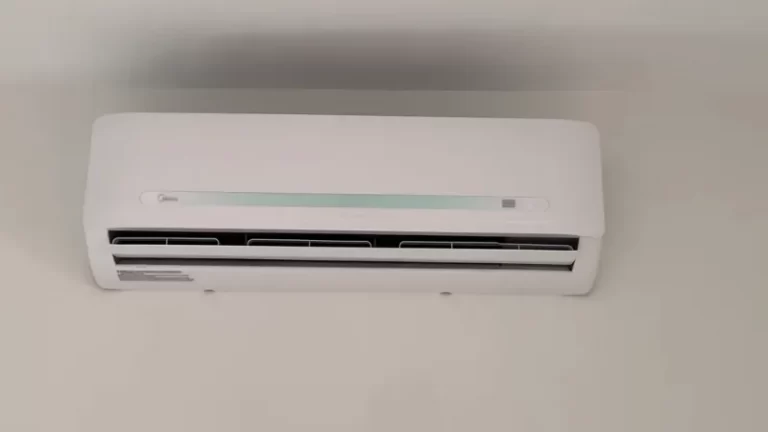
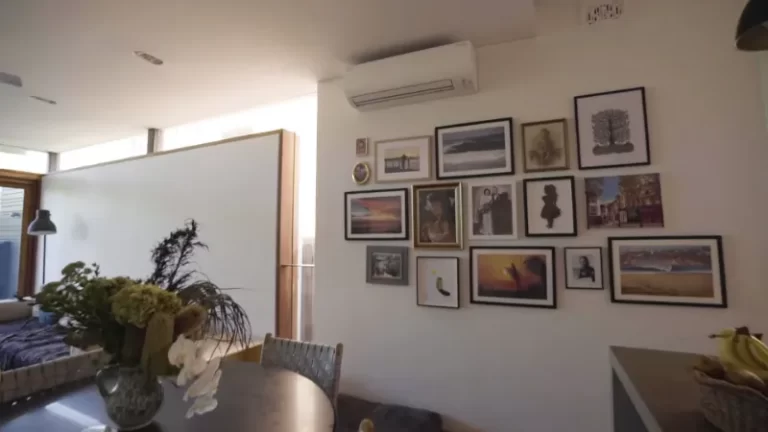
| Ductless Mini-Splits (Multi-Zone) | $4,000 – $10,000 | Highly efficient, provides both heating and cooling, no ducts needed. | Requires visible indoor units on walls, may not be ideal for whole-home heating in very cold climates. |
The Installation Process: A Step-by-Step Overview
Installing a second furnace is not a DIY project. It requires professional expertise in HVAC design, installation, and local building codes. A qualified contractor will follow a precise process to ensure the system works perfectly.
The first step is a Manual J load calculation. This engineering analysis determines the exact heating needs of the new zone, ensuring the furnace is sized correctly. An oversized or undersized unit will be inefficient and prone to breakdowns.
Ductwork, Electrical, and Venting
Next comes the physical installation. This almost always involves running a completely new, dedicated ductwork system for the second furnace. The location of the new unit—whether in the attic, basement, or a large closet—will dictate the complexity of this step.
The project will also require a dedicated electrical circuit and a new natural gas line run by a licensed plumber. Finally, the furnace must be vented to the outside for combustion air and exhaust. Proper venting is critical for safety and to prevent issues like a roof leak around the furnace vent in the future.
The Critical Factor No One Talks About: Air Pressure Balancing
Here is a crucial aspect that is often overlooked. Simply adding a second furnace without considering the whole-home system can create air pressure imbalances. This is a concept that separates the true pros from the rest.
When two separate blower systems operate in one house, one can create positive pressure in its zone while the other creates negative pressure. Positive pressure can force expensive conditioned air out through tiny gaps in your home’s envelope. Negative pressure does the opposite, pulling in unfiltered, unconditioned outside air, which hurts efficiency and air quality.
A top-tier HVAC contractor will perform a whole-home assessment to ensure the two systems work in harmony. This may involve carefully balancing the ductwork and calculating airflow rates to achieve a neutral pressure balance across the entire house. This single detail is the key to unlocking the true efficiency and comfort of a dual-furnace system.
Frequently Asked Questions
Why should I consider adding a second furnace?
Adding a second furnace can significantly improve comfort and temperature control, especially in multi-story homes or large houses with additions. It allows for customized zoning, meaning you can set different temperatures for different areas of your home, potentially leading to energy savings. This is particularly beneficial for homes where upper levels get warmer than lower ones or for rooms that are used at different times.
How much does it cost to add a second furnace?
The cost of installing a second furnace can range from a few thousand dollars to over ten thousand dollars, depending on factors like the type of furnace and the complexity of the installation. For example, adding a new unit and sealing off the existing one could be in the $5,000-$6,000 range, while a more complex project involving replacing the main unit as well could be closer to $9,000 – $10,000. It’s important to get quotes from contractors as costs vary based on your specific needs and location.
Will a second furnace save me money on my energy bills?
A second furnace can lead to utility cost savings by allowing you to heat only the areas of your home that are in use. For instance, you can lower the temperature on the main floor during the night while keeping the bedrooms warmer, and vice versa during the day. This prevents energy waste associated with heating or cooling unoccupied rooms.
What is required to install a second furnace?
Installing a second furnace requires adequate space for the unit itself, such as in an attic or closet, as well as for any additional ductwork that may be needed. You will also need proper ventilation for the new unit and access to fuel lines (like gas) and electrical connections. A professional HVAC contractor can assess your home’s layout and existing systems to determine the specific requirements.
Are there alternatives to adding a second furnace?
Yes, there are several alternatives. One option is a dual-zone system, which uses a single furnace with dampers in the ductwork to create different temperature zones. Other alternatives include heat pumps, which can both heat and cool your home, and radiant heating systems. For smaller areas or additions, options like electric baseboard heaters or ductless mini-splits might also be suitable.
The Final Verdict on Adding a Second Furnace
For the right home, adding a second furnace is more than just a repair—it’s a transformative upgrade. It provides a permanent solution to uneven temperatures, creating a perfectly comfortable environment in every room.
It’s a significant investment, but one that pays dividends in comfort, efficiency, and peace of mind. If you’re tired of battling your thermostat and living with inconsistent heat, a dual-furnace system might be the ultimate answer you’ve been looking for.