Above Ground Basement: Unlock Your Home’s Hidden Potential
Mention the word “basement,” and a familiar image often comes to mind: a dark, damp, subterranean space plagued by spiders and musty smells. For decades, this has been the accepted reality for homeowners. But what if there was a way to have the square footage of a basement without the gloomy downsides? A solution that offers light, air, and a seamless connection to your garden.
The problem with traditional basements is their inherent separation from the rest of the home and the outdoors. They feel like an afterthought, a concrete box buried in the dirt. This is where the concept of an above ground basement—more commonly known as a walk-out or daylight basement—completely changes the game, turning a forgotten space into one of your home’s greatest assets.
You'll Learn About
What Exactly Is an Above Ground Basement?
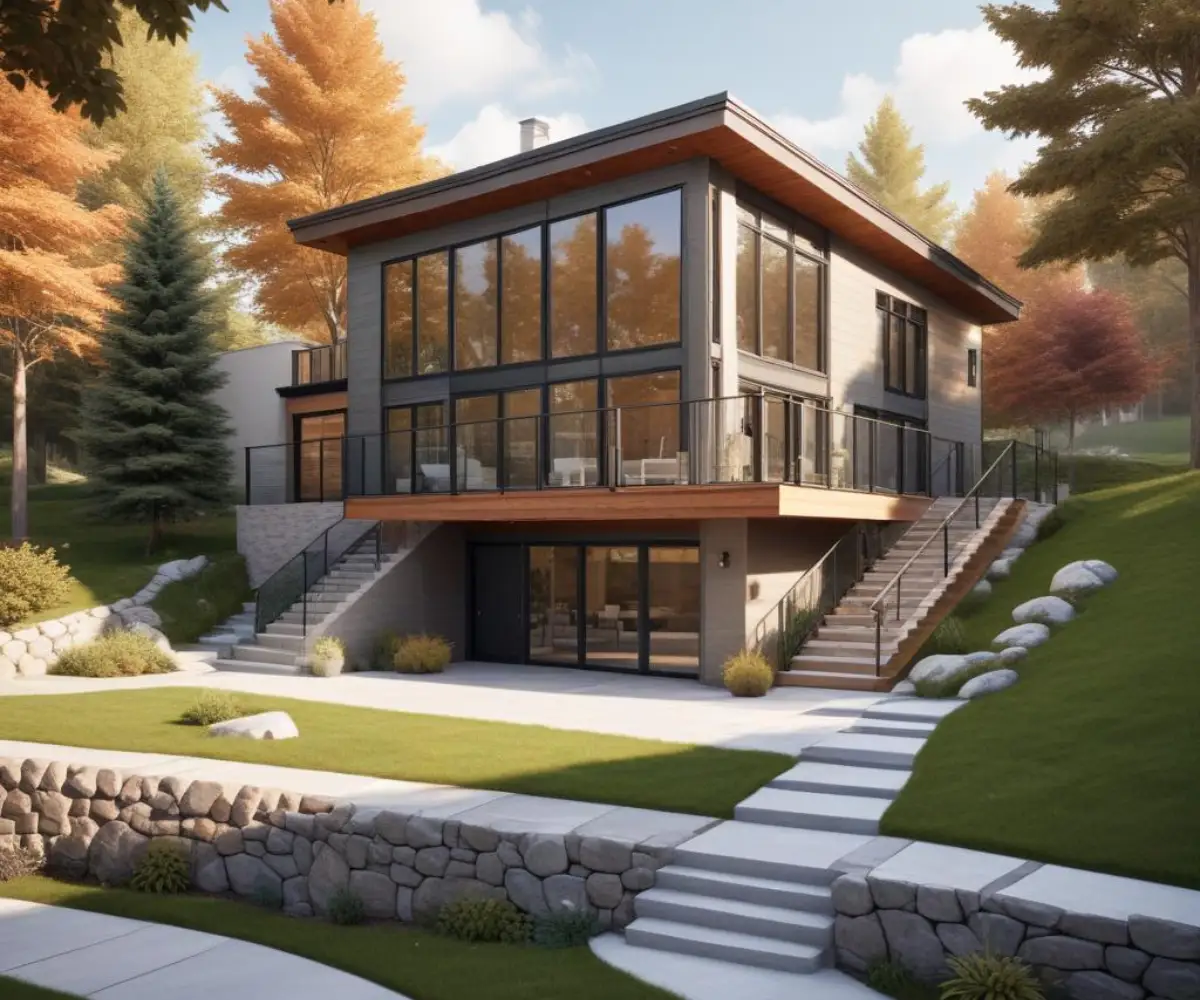
The term “above ground basement” might sound like a contradiction, but it accurately describes a foundation that isn’t fully submerged in the earth. These structures are made possible by building on a sloped lot. One side of the basement is built into the hillside, while the other side is exposed, featuring full-size windows and doors at ground level.
This design effectively combines the structural benefits of a traditional foundation with the livability of a main floor. There are two primary types: the walk-out basement, which includes a door providing direct access to the outdoors, and the daylight basement, which has full-sized windows but no door. Both designs flood the space with natural light, solving the biggest problem of conventional basements.
The Myth of the Buried Basement
Many homeowners assume a basement must be entirely below grade to be structurally sound. However, modern engineering and construction techniques have made walk-out foundations not only safe but highly desirable. The key is proper site grading, robust foundation work, and, most importantly, strategic waterproofing.
A well-constructed above ground basement manages soil and water pressure just as effectively as its fully buried counterpart. In fact, by exposing one or more walls, it can even offer superior ventilation and moisture control, reducing the risk of mold and mildew that plague many subterranean spaces. This design challenges our old assumptions, proving that a basement can be a bright, healthy, and integral part of the home.
The Unbeatable Advantages of Going Above Ground
Opting for a home with a walk-out or daylight basement offers a wealth of benefits that directly translate into a better quality of life and a higher property value. The advantages extend far beyond simply having more usable space; they fundamentally change how you interact with your home and yard.
From becoming a sun-drenched home office to a private suite for guests, the possibilities are nearly endless. The direct connection to the outdoors also makes it perfect for family gatherings, allowing activities to flow seamlessly from inside to a patio or garden. This level of versatility is something a traditional basement can never offer.
1. Flooded With Natural Light and Fresh Air
The most immediate and impactful benefit is the abundance of natural light. Full-size windows and glass doors transform the lower level from a cave into a welcoming retreat. This not only makes the space more enjoyable but can also reduce the need for artificial lighting during the day, leading to energy savings.
Improved ventilation is another key advantage. Being able to open windows and doors eliminates the stagnant, musty air common in traditional basements. This constant circulation of fresh air contributes to a healthier indoor environment, making it a safer space for everyone in the family.
2. A Seamless Indoor-Outdoor Connection
An above ground basement creates a unique and highly sought-after link between your living space and your garden. A walk-out design can open onto a patio, creating the perfect setup for summer barbecues or a quiet morning coffee. This direct access makes the yard feel like a true extension of the home.
This connection is not just about convenience; it’s about biophilic design—the concept of connecting people with nature. Studies have shown that visual and physical access to the outdoors can reduce stress and improve well-being. An above ground basement naturally facilitates this, enhancing not just your home but your lifestyle.
3. Dramatically Increased Living Space and Value
Because the space is bright, airy, and accessible, it is considered much more valuable than a traditional basement. An above ground basement can be legally finished as habitable living space, adding significant square footage to your home’s official appraisal. This can include bedrooms, bathrooms, and kitchens, which can dramatically increase your property’s market value.
The versatility opens up numerous possibilities. You can create an in-law suite with its own private entrance, a home office that doesn’t feel isolated, or even a rental apartment for additional income. This flexibility makes a home with a walk-out basement a smart long-term investment.
Key Design and Construction Considerations
While the benefits are clear, a successful above ground basement requires meticulous planning and execution. The project’s success hinges on addressing the unique challenges presented by a sloped lot and a partially exposed foundation. Overlooking these critical steps can lead to costly problems down the road.
From initial site assessment to the final finishing touches, every decision matters. It is essential to work with experienced professionals who understand the specific requirements of these structures. This ensures the final space is not only beautiful and functional but also durable and secure for years to come.
Mastering Water Management and Waterproofing
Water is the number one enemy of any basement. For a walk-out design, managing it correctly is non-negotiable. Because one or more walls are exposed, the interface between the foundation and the surrounding grade is a critical zone for potential water intrusion. Proper site grading is the first line of defense, ensuring surface water is directed away from the house.
An exterior drainage system, such as a French drain, is essential to collect groundwater before it can exert hydrostatic pressure on the foundation walls. This should be paired with a high-quality waterproof membrane applied to the exterior of the foundation. Inside, an interior drainage system connected to a sump pump provides a final layer of protection against any water that might penetrate the structure.
Insulation: Creating a Comfortable and Efficient Space
Unlike a traditional basement that benefits from the earth’s consistent temperature on all sides, an above ground basement has exposed walls that are subject to exterior weather conditions. This makes proper insulation absolutely critical for both comfort and energy efficiency. The exposed walls should be insulated to the same standard as the main floors of your house.
Rigid foam board insulation is an excellent choice for foundation walls, as it provides a thermal break and a vapor barrier. Combining this with spray foam or batt insulation in the framed walls will create a highly efficient thermal envelope. Don’t forget to insulate the rim joists—the area where the foundation meets the upper floor framing—as this is a major source of heat loss.
Maximizing Light and Layout
The layout of your above ground basement should be designed to take full advantage of the natural light. An open-concept plan will allow sunlight to penetrate deep into the space. Place the most frequently used rooms, like a family room or home office, along the wall with the largest windows and doors.
To further enhance the brightness, use light-colored paint on the walls and ceiling. Incorporating reflective surfaces, such as mirrors or furniture with metallic finishes, can also help bounce light around the room. For areas that are still partially below grade, a solar tube can be a fantastic way to pipe in natural light from the roof, brightening up even the darkest corners.
Basement Type Comparison: Finding the Right Fit
Choosing the right type of basement depends on your property’s topography, your budget, and your goals for the space. Understanding the key differences between traditional, daylight, and walk-out basements will help you make an informed decision when building a new home or choosing an existing one.
The following table breaks down the primary characteristics of each type, offering a clear comparison of their features, costs, and potential benefits. This will help you weigh the pros and cons and determine which foundation style best aligns with your vision for your home.
| Feature | Traditional Basement | Daylight Basement | Walk-Out Basement |
|---|---|---|---|
| Lot Type | Flat or minimal slope | Gentle to moderate slope | Moderate to steep slope |
| Natural Light | Very limited (small egress windows) | Good (full-size windows on one side) | Excellent (full-size windows and door) |
| Outdoor Access | None (interior stairs only) | None (windows only) | Direct access to yard/patio |
| Construction Cost | Lowest | Moderate | Highest |
| Resale Value | Adds some value | Adds significant value | Adds the most value |
| Best Use Case | Storage, utility space, basic recreation | Home office, living area, bedrooms | In-law suite, rental unit, entertainment hub |
Finishing Your Above Ground Basement: From Concrete to Comfort
Once the structural and waterproofing work is complete, the real fun begins: transforming the raw space into a beautiful and functional part of your home. Finishing an above ground basement is similar to finishing any other room, but with a few special considerations to ensure long-term durability and comfort.
The goal is to create a seamless transition from the main floors, making the basement feel like a natural extension of your home rather than a separate, lesser space. Careful selection of materials and attention to detail are key. Even if you encounter challenges, such as a lower ceiling in certain areas, creative design solutions can overcome them.
Flooring That Works Hard and Looks Great
Because the floor is still a concrete slab, it’s important to choose flooring materials that are resistant to moisture. Luxury Vinyl Plank (LVP) is an outstanding choice, as it is 100% waterproof, highly durable, and comes in a vast array of realistic wood and stone looks. Engineered hardwood is another option, but it requires a high-quality vapor barrier underneath.
While wall-to-wall carpet can add warmth, it is susceptible to moisture damage if any water issues arise. A better alternative is to use area rugs over a hard surface floor. This provides comfort underfoot while allowing for easy removal and cleaning if they ever get damp. Maintaining the space is also key; knowing how to keep basement dust under control will preserve your new finishes.
Walls, Ceilings, and Lighting
For the walls, moisture-resistant drywall is a smart investment, especially on the below-grade portions of the foundation. Once installed, a high-quality primer and paint will complete the look. As mentioned earlier, light colors will maximize the feeling of brightness and space.
For the ceiling, you have several options. A standard drywall ceiling offers the most finished, seamless look. However, a drop ceiling can be a practical choice, as it allows easy access to plumbing, wiring, and ductwork. Recessed lighting is ideal for basements as it provides excellent, even illumination without taking up any vertical space.
Addressing Potential Challenges Head-On
Despite their many advantages, above ground basements are not without potential pitfalls. The same features that make them so desirable—the windows, doors, and connection to the outdoors—can also introduce challenges related to security, cost, and maintenance. Being aware of these issues from the outset allows you to plan for them effectively.
Proactive measures and smart design choices can mitigate almost any potential downside. By addressing these concerns during the planning and construction phases, you can ensure that your new living space is safe, efficient, and built to last, allowing you to enjoy all the benefits without the worry.
Security and Privacy
The addition of ground-level doors and large windows can create potential security vulnerabilities. It is crucial to invest in high-quality, secure doors with robust locks, such as deadbolts. Installing a home security system with sensors on all basement windows and doors is also a wise precaution.
Privacy can be managed with thoughtful landscaping and window treatments. Planting shrubs or installing a decorative fence can screen the basement from neighbors’ views. Inside, options like top-down/bottom-up blinds offer the perfect balance, allowing natural light to enter while maintaining privacy.
Cost and Construction Complexity
Building a walk-out basement is typically more expensive than constructing a traditional one. This is due to the need for more extensive excavation, retaining walls, and more complex foundation work. The cost of finishing the exterior of the exposed walls also adds to the overall budget.
However, it’s important to view this as an investment rather than just an expense. The significant increase in usable living space and the higher resale value often provide a strong return on the initial investment. When you compare the cost per square foot of creating this new space to that of building an above-ground addition, the walk-out basement is almost always the more cost-effective option.
By reimagining what a basement can be, the above ground design unlocks a world of possibilities. It transforms a dark, utilitarian space into a bright, vibrant, and valuable part of your home, proving that the best living spaces aren’t always on the main floor—sometimes, they’re just waiting to walk out into the light.