
8 ft Round Hot Tub: Is Bigger Really Better for Your Oasis?
The dream of a sprawling backyard retreat often centers on a single, luxurious feature: a massive hot tub. An 8 ft round hot tub seems like the pinnacle of this dream, promising unparalleled space for relaxation and social gatherings.
However, the journey from showroom to serene soak is fraught with hidden complexities. Many homeowners dive in, captivated by the size, only to face unexpected challenges with installation, energy costs, and even the social dynamics of the seating arrangement.
This guide confronts the common problems and misconceptions surrounding these impressive spas. We will explore the critical details beyond the diameter, ensuring your investment becomes a cherished oasis, not a source of frustration.
You'll Learn About
The Space Illusion: Why 8 Feet Is Bigger Than You Think
The most immediate challenge is underestimating the sheer physical presence of an eight-foot circle. It’s not just the tub itself; it’s the necessary ecosystem around it that demands careful planning.
You must account for clearance on all sides for the cover lifter, steps, and essential maintenance access. A minimum of three feet of clear space around the perimeter is a standard recommendation, instantly expanding the required footprint to a 14-foot diameter circle.
This often comes as a shock, forcing last-minute changes to landscaping plans. The visual weight of such a large object can easily overwhelm a smaller garden, making thoughtful integration essential. Consider using strategic plantings, like those you might nourish with your own garden fertilizer, to soften the edges and blend the spa into the landscape.
Energy Bills and Efficiency: Debunking the Cost Myth
A common fear holding buyers back is the anticipated surge in electricity bills. While a larger body of water naturally requires more energy to heat and maintain, modern 8 ft round hot tubs are not the energy vampires of the past.
The single most important factor in energy efficiency is the quality of the insulation. Full-foam insulation, where the entire cabinet cavity is filled with high-density spray foam, provides a superior thermal barrier compared to perimeter-only or layered insulation systems.
Equally crucial is the hot tub cover. A high-quality, thick, and well-fitting cover traps heat and prevents evaporation, which is the primary source of heat loss. A waterlogged or damaged cover can cause your energy costs to skyrocket.
The Unspoken Truth About Round Hot Tub Seating
The open, circular bench seating of an 8 ft round hot tub is its defining feature. It’s marketed as a social hub, allowing everyone to face each other for easy conversation. This is a significant advantage over many square tubs where seating is more rigid.
However, this design has a trade-off: the lack of dedicated hydrotherapy lounge seats. If your primary goal is a targeted, full-body massage, you may find the open bench and generalized jet placement less satisfying than a contoured lounger in a square or rectangular model.
Furthermore, while manufacturers may claim seating for 8-10 people, the comfortable reality is often closer to 6-7 adults. Consider how you will actually use the tub—for intimate family soaks or for larger social gatherings—before deciding if the round configuration is right for you.
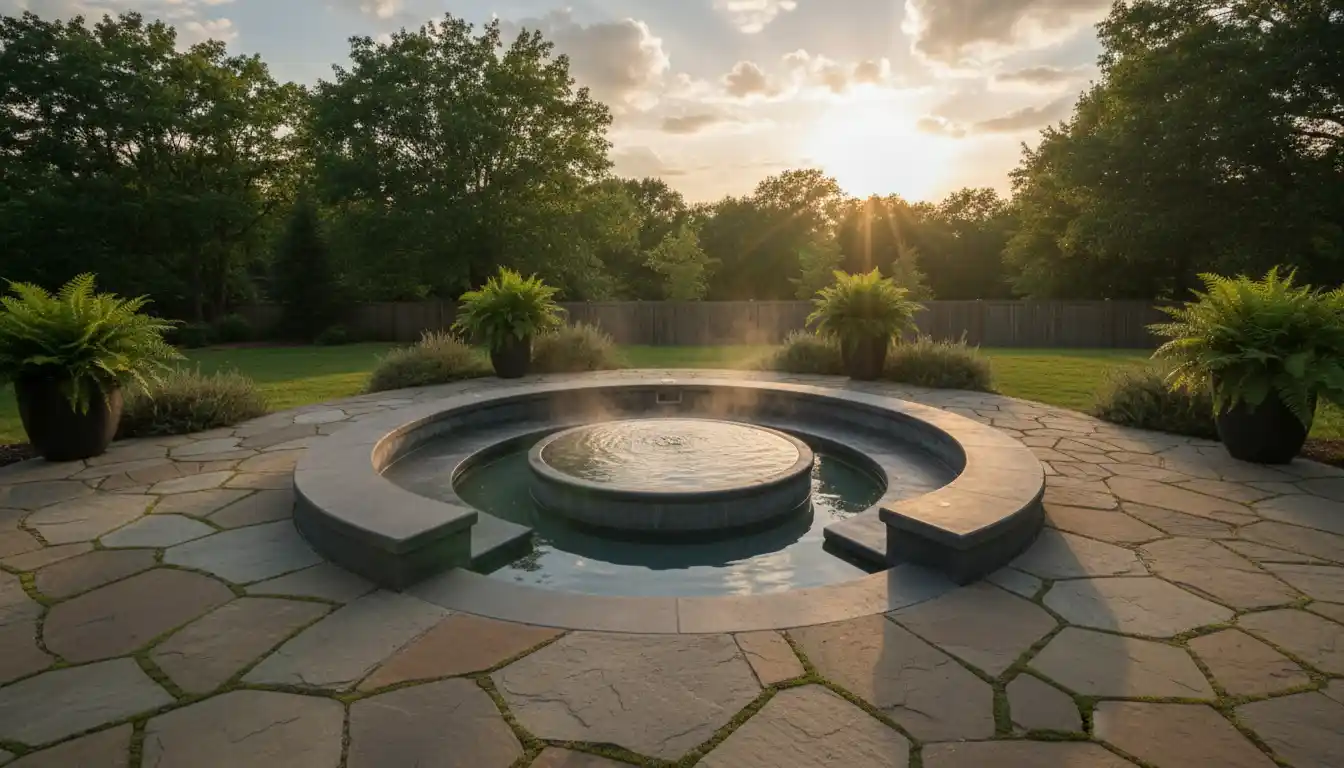
Installation Headaches: The Foundation and Electrical Puzzle
Proper installation is non-negotiable for safety and longevity. An 8 ft round hot tub, when filled with water and occupants, can weigh over 5,000 pounds. This immense weight requires a perfectly level and structurally sound foundation.
The gold standard is a 4-inch thick reinforced concrete pad. Other options like prefabricated spa pads or a reinforced deck can work, but they must be professionally assessed to ensure they can handle the load. An unstable base will stress the spa’s shell, leading to cracks and leaks over time.
Electrical setup is the other major hurdle. These large tubs require a dedicated 240V, 50-amp or 60-amp GFCI circuit. This is not a DIY project. Hiring a licensed electrician is mandatory to ensure the installation is safe and up to code. An improper connection can lead to serious risks, including electrocution or a fried circuit board, a repair far more complex than a simple hot tub circuit board bypass.
Planning for Delivery Day Success
Never overlook the logistics of getting the tub into your backyard. Measure the entire path from the street to the final location. Check the width of gates, side yards, and any overhead obstructions like roof eaves or power lines.
Many deliveries require a crane to lift the tub over the house, which adds a significant cost. Discuss delivery logistics with your dealer upfront to avoid any costly surprises on installation day.
Cost Breakdown: What to Realistically Expect
Understanding the full financial commitment is key. The initial purchase price is just one piece of the puzzle. Here is a realistic look at the total investment.
| Expense Category | Estimated Cost Range (USD) | Key Considerations |
|---|---|---|
| Hot Tub Purchase Price | $6,000 – $15,000+ | Varies by brand, materials (acrylic vs. roto-molded), and features. |
| Foundation (Concrete Pad) | $800 – $2,500 | Depends on accessibility, site prep, and local labor rates. |
| Electrical Installation | $700 – $2,000 | Depends on distance from main panel and complexity of the wire run. |
| Delivery & Crane Service | $400 – $1,500+ | Standard delivery may be included; crane services are extra. |
| Monthly Energy Cost | $40 – $90 | Highly dependent on climate, insulation quality, cover, and usage. |
| Chemicals & Maintenance | $25 – $50 per month | Includes sanitizer, pH balancers, filters, etc. |
Key Features That Truly Matter
When comparing models, it’s easy to get distracted by flashy features. Focus on the components that deliver long-term value, efficiency, and a better ownership experience.
Insulation is paramount. Ask the dealer to explain the specific type and R-value of the insulation. A well-insulated tub will save you thousands in energy costs over its lifespan.
An efficient circulation pump is critical. This is a small, low-power pump that constantly circulates water for heating and filtration. It uses far less energy than running the main jet pumps for filtration, leading to significant savings and cleaner water.
Advanced water care systems, such as ozone generators or UV sanitizers, reduce the amount of chemical sanitizer needed to keep the water clean. This makes maintenance easier and creates a more pleasant soaking environment with fewer chemical odors.
If you plan to place the hot tub in a four-season room or gazebo, ensure the space has adequate ventilation. A powerful exhaust fan is crucial to manage humidity and prevent moisture damage. Understanding fan capacity, such as the difference between 80 CFM vs 110 CFM models, will help you make the right choice for your enclosure.
Frequently Asked Questions
How many people can fit in an 8 ft round hot tub?
An 8-foot round hot tub is considered a large model and can typically accommodate 7 to 8 adults comfortably. The exact seating capacity can vary slightly based on the specific design and seating configuration of the tub. Always check the manufacturer’s specifications for precise details.
How many gallons of water does an 8 ft round hot tub hold?
An 8-foot hot tub generally holds between 400 to 600 gallons of water. The exact volume can depend on factors like its depth and the design of the interior seating. Knowing your hot tub’s water capacity is important for proper chemical treatment and maintenance.
What kind of foundation is required for an 8 ft hot tub?
A solid, level foundation is crucial for supporting the weight of a filled 8-foot hot tub. Common and recommended options include a 4-inch thick concrete slab, a crushed gravel base, or heavy-duty paver stones. It is not recommended to place a hot tub on bare ground or an uneven surface.
What are the electrical requirements for an 8 ft hot tub?
Most large hot tubs require a dedicated 240-volt, 50-amp circuit with a GFCI (Ground Fault Circuit Interrupter) for safety. Due to the complexities and safety risks, a licensed electrician should always perform the electrical installation.
How much clearance space is needed around an 8 ft hot tub?
It is recommended to have at least two to three feet of clear space around all sides of the hot tub. This clearance provides safe access for users getting in and out and ensures that technicians can easily reach the service panels for any future maintenance or repairs.
Making the Final Decision
An 8 ft round hot tub can be a phenomenal addition to your home and garden, offering a unique social and relaxation experience. Its success, however, hinges entirely on diligent planning.
By understanding its true spatial requirements, budgeting for the total cost of ownership, and prioritizing high-quality core components over superficial gimmicks, you can confidently choose a spa that will provide years of enjoyment. It’s a significant investment, but one that pays dividends in well-being when done right.
