
7ft Ceilings Feeling Low? Unlock Your Home’s Hidden Height
There’s a distinct feeling that comes with walking into a room with a 7-foot ceiling. It can feel cozy and intimate to some, but to many, it feels confining, cramped, and even a little claustrophobic. This common architectural feature, often found in older homes, basements, and post-war builds, presents a unique set of design challenges that can leave homeowners feeling limited and frustrated.
The core problem isn’t just the physical measurement; it’s the psychological impact. Low ceilings can make a space feel darker and smaller than it actually is, restricting choices for everything from lighting fixtures to furniture. The good news is that you are not powerless. With a strategic approach to design, color, and lighting, you can visually reclaim that vertical space and transform a room from feeling oppressive to open and airy.
This guide offers a comprehensive collection of expert-backed, actionable solutions to conquer the challenges of 7ft ceilings. These aren’t just simple tips; they are transformative strategies designed to trick the eye, manipulate perception, and create a home that feels expansive, bright, and endlessly stylish, proving that height is just a number.
You'll Learn About
Why 7ft Ceilings Pose a Design Dilemma
Understanding the root of the problem is the first step toward finding an effective solution. Seven-foot ceilings create hurdles that are both psychological and practical, affecting how you experience and use your space. Addressing these core issues is key to unlocking a room’s true potential.
The Psychology of Confined Space
Our perception of space is deeply linked to our emotional state. High ceilings are often associated with feelings of openness, freedom, and even grandeur, while low ceilings can subconsciously make us feel enclosed or restricted. This isn’t just a matter of opinion; it’s rooted in how our brains are wired to interpret our environment.
A low overhead plane can limit the natural upward gaze, making a room feel less spacious and potentially more stressful. The challenge, therefore, is to counteract this psychological effect by creating visual cues that suggest height and openness, lifting the mood and the perceived dimensions of the room simultaneously.
Practical and Functional Limitations
Beyond the feeling of a room, 7ft ceilings impose real-world constraints on your design choices. One of the most significant challenges is lighting. Traditional hanging fixtures like chandeliers or large pendant lights are often impractical, as they can hang too low and become head-bumping hazards.
Ceiling fans, a staple for air circulation, also become tricky. Standard models can make the ceiling feel even lower and pose a risk to taller individuals. Similarly, tall furniture like armoires or large bookshelves can overwhelm the space, drawing unwanted attention to the limited vertical clearance and making the room feel cluttered and unbalanced.
Concerns Over Resale Value
In the real estate market, ceiling height can be a significant factor for potential buyers. Modern construction often defaults to 8-foot or even 9-foot ceilings, which has shaped buyer expectations. Consequently, homes with lower ceilings might face scrutiny and be perceived as less desirable, potentially impacting the final sale price.
However, this is not an insurmountable issue. By implementing clever design strategies to maximize the sense of height and space, you can effectively minimize this concern. A beautifully designed room that feels open and bright can easily overcome a buyer’s initial hesitation about a 7-foot measurement.
The Grand Illusion: 12 Expert Tricks to Make 7ft Ceilings Soar
Transforming a room with low ceilings is an exercise in optical illusion. The goal is to draw the eye upward and create vertical lines, making the walls appear taller and the ceiling higher. These twelve proven techniques work together to create a cohesive and expansive feeling space.
1. Master the Art of Color: The Upward Stroke
Color is one of the most powerful and cost-effective tools in your design arsenal. Paint your ceiling a crisp, brilliant white. This simple act reflects the maximum amount of light and creates a sense of boundlessness, making the ceiling recede from view. To enhance this effect, choose a flat or matte finish, which hides imperfections and diffuses light softly.
Take this a step further by extending the ceiling color a few inches down onto the top of the walls. This blurs the line where the wall ends and the ceiling begins, tricking the eye into perceiving more height. A monochromatic scheme, using varying shades of the same light color for walls and trim, further enhances this seamless, space-expanding effect.
2. Lighting is Your Undisputed Champion
Proper lighting can single-handedly solve the feeling of a low ceiling. The key is to avoid fixtures that hang down and instead use light to wash the walls and ceiling, creating an upward glow. Recessed lighting (pot lights) is an excellent choice as it sits flush with the ceiling, providing ample ambient light without occupying any vertical space.
Wall sconces that direct light upwards are another fantastic option. They illuminate the ceiling and the upper portion of the walls, making the entire area feel brighter and taller. Augment this with floor and table lamps that also cast light upward, creating layers of illumination that add depth and dimension to the room.
3. The Reflective Power of Mirrors
Mirrors are a classic tool for making any space feel larger and brighter. To combat low ceilings, think vertically. A tall, floor-length mirror leaned against a wall is incredibly effective. It not only reflects light but also reflects the room in a way that creates a powerful illusion of vertical depth.
Placing a large mirror directly across from a window will double the amount of natural light in the room, making it feel instantly more open and airy. Groupings of smaller mirrors arranged in a vertical pattern can also achieve a similar eye-lifting effect.
4. Go Low: The Furniture Philosophy
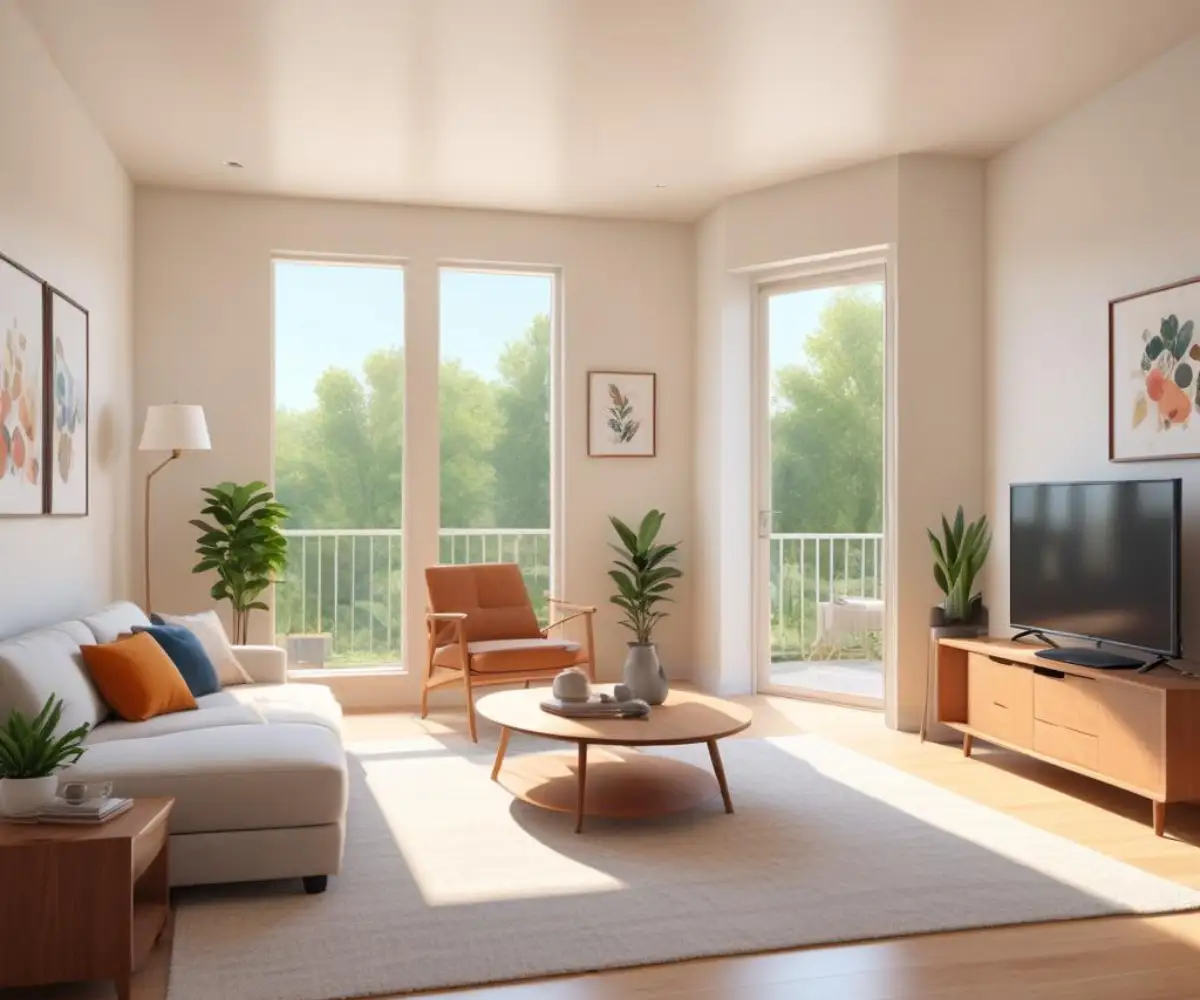
When dealing with limited vertical space, the height of your furniture matters immensely. Opt for low-profile furniture, such as sofas with low backs, platform beds, and sleek, modern coffee tables. By keeping furniture closer to the ground, you maximize the visible wall space above it, which in turn makes the ceiling feel higher.
This approach creates a greater sense of volume and prevents the room from feeling crowded. When furniture doesn’t compete for vertical real estate, the entire room feels more balanced and open. This is a fundamental principle for achieving a sense of spaciousness in a vertically challenged room.
5. The Curtain Trick: A Vertical Masterstroke
Window treatments offer a superb opportunity to create a dramatic illusion of height. Hang your curtain rod as high as possible, just a few inches below the ceiling line, rather than directly above the window frame. This simple adjustment immediately draws the eye upward.
Choose long curtain panels that either skim the floor or puddle slightly. This continuous line from ceiling to floor creates an elegant and powerful vertical statement, making windows appear taller and, by extension, the entire wall. Opt for light-colored fabrics or subtle vertical stripes to further enhance the effect.
6. Rethink Your Doors and Doorways
Doors are large vertical surfaces that can significantly influence the perception of height. Painting interior doors the same light color as the walls helps them blend in, creating an unbroken visual plane that makes the walls seem taller. This is especially effective if you have multiple doors in one area.
For a more advanced renovation, consider installing taller doors that reach closer to the ceiling. A standard door has a lot of dead space above it; replacing it with an 80-inch or even a full-height door can dramatically alter the room’s proportions, lending a sense of grandeur and height that was previously absent.
7. The Power of the Vertical Line
Consistently reinforcing verticality throughout your decor is key. Use tall, slender bookcases that draw the eye up their entire length. Even if the shelves themselves are not full, the structure alone serves as a powerful vertical element.
Arrange artwork in a vertical gallery wall rather than a horizontal line. This encourages an up-and-down scanning motion. Incorporating tall, elegant houseplants like a fiddle-leaf fig or a snake plant also adds a natural, uplifting vertical line to the room’s composition.
8. Smart Flooring Choices
Believe it or not, your floor can impact how high your ceiling feels. Using a consistent flooring material throughout an open area creates a seamless, expansive effect. Avoid breaking up the floor with different materials, which can make the space feel choppy and smaller.
Lighter-colored flooring, whether it’s wood, laminate, or tile, will reflect more light than dark floors, contributing to a brighter, airier feel. A strategically placed rug can define a seating area, but try to leave a border of the light flooring visible around the edges of the room.
9. Declutter with Strategic Intent
Visual clutter is the enemy of a small space, and this is especially true in rooms with low ceilings. A crowded room feels chaotic and compressed. Embrace a more minimalist approach, where every object has a purpose and a place.
Keeping surfaces clear and maintaining organized storage solutions will make the room feel calmer and more open. The less visual noise there is competing for attention, the more the eye can appreciate the vertical space you’ve worked so hard to create.
10. The Daring Glossy Ceiling Secret
For those willing to make a bold design choice, painting the ceiling with a semi-gloss or high-gloss finish can have a stunning effect. A glossy surface reflects light and objects in the room, creating a subtle, mirror-like quality that gives the illusion of greater depth and height. It’s a sophisticated trick that can make a ceiling feel almost limitless.
This technique works best on a perfectly smooth ceiling, as the gloss will highlight any imperfections. While it’s a more daring approach than a simple matte white, the payoff can be a dramatic, light-filled space that feels incredibly open.
11. Anchor the Space with Rugs
While it may seem counterintuitive to draw attention to the floor, a well-chosen rug can actually help make a ceiling feel higher. By using a bold, eye-catching rug, you anchor the room’s design and draw focus downward. This creates a strong base and, by contrast, allows the walls and ceiling to feel more distant and lofty.
This psychological trick works by creating a focal point that is deliberately low. The eye is drawn to the compelling pattern or color on the floor, making the upper reaches of the room recede into the background, contributing to an overall sense of greater space.
12. Employ Architectural Illusions
Subtle architectural details can make a significant difference. Installing thin crown molding and painting it the exact same color as the ceiling can blur the boundary between wall and ceiling, making the ceiling appear to float. Avoid thick, contrasting molding, which creates a strong horizontal line that visually lowers the ceiling.
In spaces like basements, consider exposing the ceiling joists and painting the entire structure—joists, pipes, and all—a uniform dark color like black or charcoal. This creates an “industrial chic” look and an illusion of infinite space above, as the eye can’t easily discern where the ceiling actually ends.
What to Absolutely Avoid with 7ft Ceilings
Just as important as knowing what to do is knowing what not to do. Certain common design choices can exacerbate the feeling of a low ceiling, making your room feel even more cramped. Steering clear of these pitfalls is crucial for success.
Avoid dark, dramatic paint colors on the ceiling, as they will absorb light and make the ceiling feel heavy and oppressive. Large, low-hanging pendant lights or elaborate chandeliers are generally not suitable, as they break up the vertical space and draw attention to the lack of height. Similarly, bulky ceiling fans with prominent light kits can visually clutter the overhead space.
On the walls, avoid strong horizontal lines. This includes design elements like chair rails or wallpapers with horizontal stripes, which visually chop the wall in half and make it appear shorter. Finally, steer clear of oversized, bulky furniture that dominates the room and leaves little breathing space.
| Design Element | Best Choice for 7ft Ceilings (The “Do”) | Choice to Avoid (The “Don’t”) |
|---|---|---|
| Ceiling Paint | Flat or semi-gloss white or a very pale color. | Dark, matte colors that absorb light. |
| Lighting | Recessed lighting, upward-facing wall sconces, flush mounts. | Large pendant lights, low-hanging chandeliers. |
| Furniture | Low-profile sofas, tables, and beds. | Tall, bulky armoires, high-backed chairs. |
| Window Treatments | Curtain rods near the ceiling with floor-length drapes. | Short curtains or valances hung just above the window. |
| Wall Decor | Vertical stripes, vertically arranged artwork. | Horizontal stripes, chair rails. |
| Mirrors | Tall, floor-to-ceiling mirrors. | Small, horizontally placed mirrors. |
Special Considerations for Different Rooms
While the general principles apply everywhere, different rooms have unique functions that may require a tailored approach. Customizing your strategy can enhance both the form and function of each specific space.
The Basement Transformation: Embrace the Cozy
Basements with 7-foot ceilings are extremely common. Instead of fighting the height, you can lean into it to create an exceptionally cozy and inviting space. This is the perfect area for a home theater, a snug family den, or a playroom.
Use plush, comfortable, low-profile sectionals and soft rugs to enhance the sense of comfort. Proper lighting is critical here; a combination of recessed lights on dimmers and strategically placed floor lamps can create a warm, inviting atmosphere that makes you forget all about the ceiling height. When designing a bathroom here, you might consider how a separate toilet room in master bath design can be adapted to manage smaller proportions.
Bedrooms and Living Areas: Serene Sanctuaries
In living rooms and bedrooms, the goal is to create a space that feels relaxing and serene, not cramped. Use the vertical curtain trick to its fullest effect to frame windows and add a sense of elegance and height. Keep the color palettes light and airy to promote a calm atmosphere.
Ensure that furniture is scaled appropriately for the room. In a living room, a comparison of a GE vs LG gas range might seem unrelated, but choosing appliances with sleeker, lower profiles in an adjoining open-concept kitchen can contribute to the overall feeling of spaciousness. In bedrooms, a platform bed without a tall headboard can make a significant difference.
Kitchens and Bathrooms: Prioritizing Functionality
In functional spaces like kitchens and bathrooms, maximizing the feeling of height is tied to smart, practical choices. Use flush-mount or recessed lighting to ensure the space is well-lit without sacrificing headroom. Glossy or semi-gloss finishes on backsplashes and tiles can help bounce light around the room.
In kitchens, run cabinetry all the way to the ceiling. This creates a clean, vertical line and eliminates the awkward, dust-collecting space on top of the cabinets. In bathrooms, extending tile from floor to ceiling can make the walls seem taller and the room feel more expansive. When space is tight, even the choice of shower enclosure matters; one might wonder, can you use a shower curtain with a shower pan to avoid the hard lines of a glass door?
Is a 7ft Ceiling a Deal Breaker? A Final Perspective
While 7-foot ceilings present a clear design challenge, they are far from a fatal flaw in a home. With a thoughtful and strategic approach, you can visually counteract the lack of physical height and create spaces that are not only functional but also beautiful, stylish, and inviting. The key is to shift your perspective from seeing the low ceiling as a problem to viewing it as a creative opportunity.
By using color to create seamless transitions, layering light to draw the eye upward, choosing appropriately scaled furniture, and consistently emphasizing vertical lines, you can craft an illusion of height that is remarkably effective. These design principles empower you to take control of your space and transform it into a home that feels open, airy, and perfectly proportioned.
Ultimately, a well-designed room with a 7-foot ceiling can be just as comfortable and appealing as one with soaring heights. It’s not about the number on the tape measure, but the feeling you create within the four walls. Embrace the challenge, apply these techniques, and watch your home reach its full, stylish potential.
