
60/40 Sink vs Single Bowl: Which Choice Is a Costly Mistake?
Selecting a kitchen sink feels like a simple choice, but it’s a decision that profoundly impacts your daily kitchen workflow. Make the wrong choice, and you could face years of frustration with washing large pans or juggling food prep with dirty dishes. The central conflict often boils down to the 60/40 sink vs single bowl debate, a choice that pits multitasking capability against sheer, uninterrupted space.
The core problem is a mismatch between a homeowner’s habits and the sink’s design. Many are lured by the promise of organized washing and prepping in a double bowl, only to find the divider is a constant obstacle. Conversely, others opt for a vast single bowl and discover a chaotic, disorganized basin where clean vegetables and dirty dishes mingle uncomfortably.
You'll Learn About
Decoding the Designs: What Are 60/40 and Single Bowl Sinks?
Before diving into the intricate details of which sink is superior for your home, it’s essential to understand the fundamental design of each. Their primary difference lies in the presence or absence of a divider, which dictates how you’ll interact with the sink every single day.
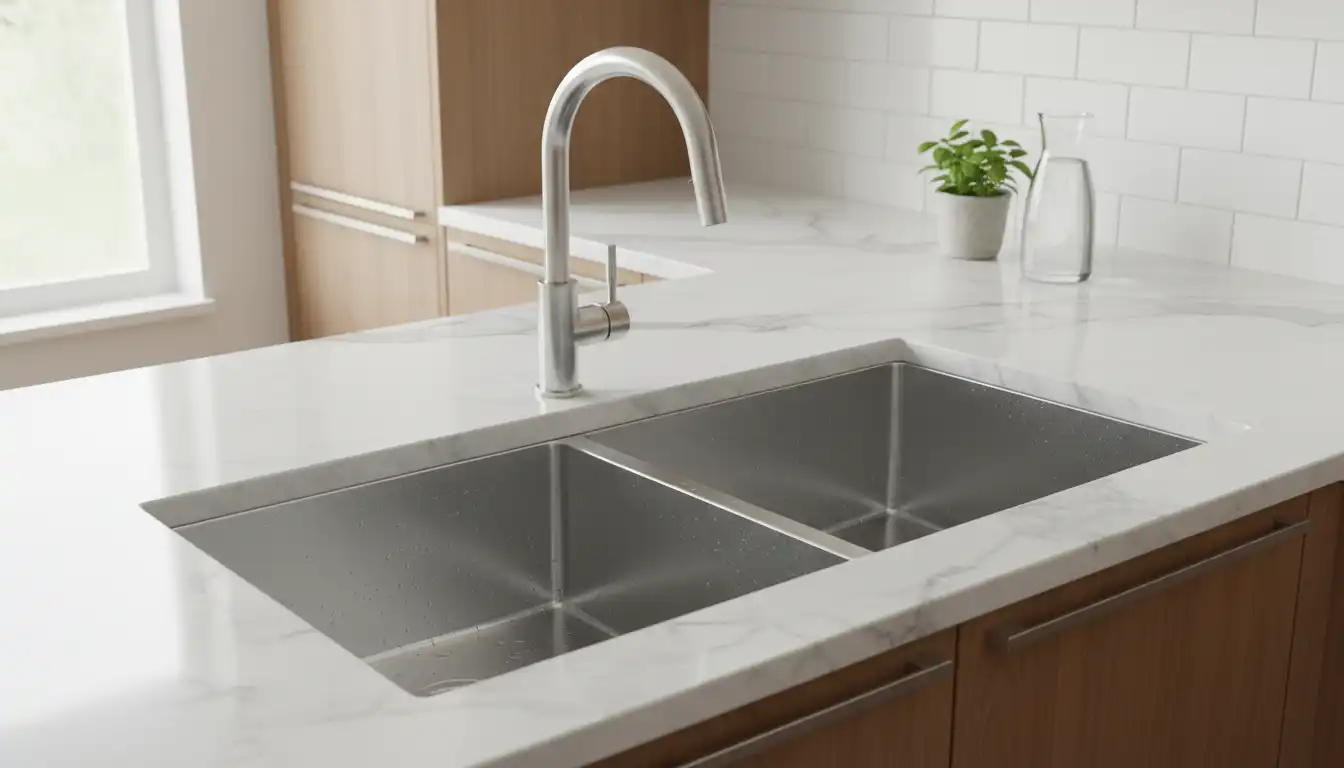
A 60/40 sink is a type of double bowl sink where the two basins are asymmetrical. One bowl, comprising roughly 60% of the sink’s total width, is designed for larger tasks like washing pots and pans. The smaller 40% bowl is typically used for rinsing, food preparation, or housing the garbage disposal. This design aims to offer the best of both worlds: a dedicated space for different tasks. A single bowl sink, as its name implies, features one large, open basin without any dividers. This design prioritizes maximum continuous space, making it ideal for washing oversized items like baking sheets, large woks, and stockpots that simply won’t fit in a divided sink.
The Multitasking Myth and the Space Compromise
The allure of the 60/40 sink is its promise of seamless multitasking. In theory, you can soak dirty dishes in the large basin while keeping the smaller basin free for rinsing produce or draining pasta. However, the reality can be different. The central divider, while great for separation, can become a major annoyance when it’s time to wash large items, forcing you to awkwardly angle and maneuver bulky cookware.
On the other hand, the single bowl sink presents a different set of challenges. While it excels at accommodating large items, it can become a jumbled mess without a clear separation of tasks. This lack of division can be a drawback for those who prefer a highly organized “wash on one side, rinse on the other” system.
Head-to-Head: A Feature-by-Feature Comparison
Choosing the right sink requires a clear-eyed look at how each configuration performs in real-world kitchen scenarios. To simplify the decision, this table breaks down the key attributes of both 60/40 and single bowl sinks, helping you align their features with your personal needs.
| Feature | 60/40 Sink | Single Bowl Sink |
|---|---|---|
| Washing Large Items | Often difficult; large pots, pans, and baking sheets may not fit flat. | Excellent; provides ample, uninterrupted space for oversized cookware. |
| Multitasking | Superior; allows for simultaneous washing, rinsing, and food prep in separate basins. | Challenging without accessories; tasks must be done sequentially or risk cross-contamination. |
| Organization | High; dedicated bowls for specific tasks keep the workspace tidy. | Low; can become cluttered without a clear separation of clean and dirty items. |
| Water Conservation | Can be more efficient; allows for filling a smaller basin for smaller tasks. | May use more water; requires filling a large basin even for small jobs. |
| Cleaning & Maintenance | More complex; the divider and extra corners can trap food particles. | Simpler; a smooth, continuous surface is easier to wipe down. |
| Garbage Disposal Access | Excellent; disposal is typically in the smaller bowl, keeping it accessible even when the main bowl is full. | Can be blocked if the sink is full of soaking dishes. |
Deep Dive: The Pros and Cons You Haven’t Considered
Beyond the surface-level comparisons, there are subtle yet crucial factors that can make or break your satisfaction with a kitchen sink. These are the details that emerge from daily use, revealing the true character of each design.
The Unspoken Advantages of a 60/40 Sink
The primary benefit of a 60/40 sink is its ability to impose order on kitchen chaos. It excels at task separation, allowing you to dedicate one basin for dirty dishes and the other for food prep, significantly reducing the risk of cross-contamination. This is especially valuable for households that cook frequently from scratch. The smaller bowl is also perfect for housing the garbage disposal, ensuring it remains accessible even when the larger bowl is filled with soaking pots.
The Hidden Drawbacks of a 60/40 Sink
The most common complaint about 60/40 sinks is the frustrating reality of washing large cookware. That roasting pan from Thanksgiving or a large baking sheet will likely not fit flat in either basin, leading to a clumsy and splashy washing experience. The central divider, while useful for organization, consumes valuable space and creates an additional surface to clean.
The Powerful Appeal of a Single Bowl Sink
The single bowl sink’s greatest strength is its unmatched capacity. For those who frequently use large pots, woks, or entertain guests, the ability to easily soak and wash bulky items is a game-changer. Cleaning the sink itself is also simpler, with no divider to work around and fewer corners for grime to accumulate. This minimalist design often provides a cleaner, more streamlined look in modern kitchens.
The Frustrations of a Single Bowl Sink
Without a divider, a single bowl sink can quickly become disorganized. It’s not ideal for those who prefer to hand-wash dishes using a wash-and-rinse system. Furthermore, if the sink is filled with soaking dishes, you lose access to the drain and garbage disposal, which can halt your entire kitchen workflow.
Beyond the Basin: Factors That Seal the Deal
The sink itself is only part of the equation. Your personal habits, kitchen layout, and even your choice of faucet can dramatically influence which option is right for you. A holistic approach is necessary to avoid a costly mistake.
Your Personal Kitchen Workflow
Your daily routine is the most critical factor. Are you a “wash-as-you-go” cook who cleans up messes immediately? Or do you prefer to let dishes pile up until after the meal? The organized nature of a 60/40 sink is perfect for the former, while the large capacity of a single bowl might better accommodate the latter.
The Ergonomics of Comfort and Sound
A detail few consider is the physical experience of using the sink. A very wide single bowl sink may require more leaning and reaching to clean, potentially causing back strain. Furthermore, the large, open basin of a single bowl can act like a drum, amplifying the sound of clanging dishes and running water, whereas the divided structure of a 60/40 sink can help dampen noise.
The Faucet and Accessory Ecosystem
Your faucet choice is intrinsically linked to your sink’s functionality. A large single bowl almost demands a pull-down or high-arc faucet with a long reach to effectively clean all corners. For a 60/40 sink, the faucet must be positioned to comfortably serve both bowls. Modern workstation sinks, often single-bowl designs, come with integrated ledges for accessories like cutting boards and colanders, effectively turning a single bowl into a multitasking powerhouse.
Kitchen Renovations and Aesthetic Harmony
During a kitchen renovation, the sink must complement the overall design. An undermount single bowl can create a seamless, modern look with granite or quartz countertops. When working on your kitchen update, ensuring a perfect color match for your cabinets is crucial for a cohesive design; a resource on finding a Diamond Now Arcadia paint match can be invaluable for achieving that polished, professional look.
Maintaining Your Sink: Cleaning and Odor Prevention
Proper maintenance is key to keeping your sink looking new and functioning properly, regardless of its configuration. For stainless steel models, regular cleaning with a soft cloth and mild detergent prevents water spots and mineral buildup. Granite composite sinks are durable but can be susceptible to stains from highly pigmented foods if not rinsed promptly.
A common sink-related issue is the garbage disposal, which can be a source of unpleasant odors. If you ever notice a strange black pepper smell in house areas near the kitchen, it could be related to food waste buildup in the disposal or plumbing. Regularly running ice cubes and citrus peels through the disposal can help keep it clean and fresh. For more stubborn outdoor cleaning jobs that might arise after a big kitchen project, knowing how to troubleshoot equipment is handy, especially if your Ryobi pressure washer soap dispenser not working becomes an issue.
The Final Verdict: Which Sink Is Right for You?
Ultimately, the choice between a 60/40 sink and a single bowl sink is deeply personal and depends entirely on your lifestyle. There is no universally “better” option, only the option that is better for you.
Choose a 60/40 sink if: You are a meticulous multitasker who values organization above all else. You frequently prep fresh ingredients and wash dishes simultaneously and want to keep these activities separate and hygienic. Choose a single bowl sink if: You regularly cook with large, oversized pots, pans, and baking sheets. You prioritize maximum space and ease of cleaning over a divided workspace and primarily use a dishwasher for smaller items.
