
6 Inch Granite Backsplash: The #1 Outdated Trend to AVOID?
Walk into many kitchens, and you will see it: the 6-inch granite backsplash. For decades, it was the standard finish, a seemingly logical extension of the countertop that provided a durable, water-resistant edge where the counter meets the wall. But in the world of modern kitchen design, this once-standard feature is now at the center of a heated debate.
Is the 6-inch granite backsplash a timeless classic or a dated design choice that instantly ages a kitchen? The core of the problem lies in the awkward, unfinished space it creates between its top edge and the bottom of the upper cabinets. This “in-between” zone leaves many homeowners wondering how to create a cohesive and stylish look.
You'll Learn About
What Exactly Is a 6-Inch Granite Backsplash?
A 6-inch backsplash, sometimes called a set-on splash or a lip, is a short strip of countertop material installed vertically against the wall. Typically matching the granite of the counter, its primary purpose is functional: to seal the seam between the countertop and the drywall. This prevents water from seeping behind the cabinets and causing damage.
Historically, this was a cost-effective and practical solution. It used less material than a full-height backsplash and was simple for countertop fabricators to install. For a long time, it was the default choice, an unquestioned element of kitchen construction.
The Shift in Kitchen Design Trends
Modern kitchen aesthetics have moved toward more seamless and impactful visual statements. Full-height backsplashes, whether a single slab of stone or a full wall of tile, have surged in popularity. This trend creates a continuous, uninterrupted surface that serves as a focal point, making the once-standard 6-inch strip feel like a compromise to some.
The Great Debate: Is the 6-Inch Backsplash a Design Sin?
The design community is split on the 6-inch backsplash. Some designers view it as an outdated element, while others argue it remains a valid and versatile choice. Understanding both sides of the argument is key to deciding if it’s right for your home.
The Case FOR the 6-Inch Backsplash (The Pros)
Despite its reputation in some circles, the 6-inch granite backsplash has several compelling advantages. The most significant benefit is cost-effectiveness. It uses far less material than a full backsplash, which can save you hundreds or even thousands of dollars, allowing you to allocate your budget to other high-impact features.
It also offers a seamless look at the most critical junction—where the counter meets the wall. This continuous surface is highly durable and easy to clean. Furthermore, a shorter backsplash leaves the upper wall area as a blank canvas, offering unmatched design flexibility for paint, wallpaper, or other creative finishes.
The Case AGAINST the 6-Inch Backsplash (The Cons)
The primary criticism against the 6-inch backsplash is its perceived “dated” appearance. It can visually chop the wall in half, making ceilings feel lower and the space feel less cohesive. This visual interruption creates the awkward gap that is the source of so many design dilemmas.
Functionally, the painted drywall above the granite is more susceptible to cooking splatters and grease, especially behind the stove. This creates two different surfaces with different cleaning requirements. Many homeowners find that a full, wipeable surface is more practical for a high-use kitchen.
The #1 Problem You’ll Face (And How to Solve It)
The most common pain point for homeowners with a 6-inch granite backsplash is deciding what to do with the wall above it. Leaving it painted is the simplest option, but it must be done correctly to look intentional and polished. Other solutions can transform this awkward space into a stunning design feature.
Solution 1: Embrace the Power of Paint
If you choose to paint the wall above the granite, the right paint finish is non-negotiable. Use a high-quality, scrubbable paint in a semi-gloss or satin finish. These sheens are durable and easy to wipe down, making them suitable for a kitchen environment. A matte or eggshell finish will absorb grease and stains, becoming impossible to clean over time.
Color choice is also critical. Painting the wall the same color as your upper cabinets can create a modern, monolithic look that minimizes the visual break. Conversely, a bold, contrasting color can turn the wall into an accent feature, drawing the eye and adding personality to the space.
Solution 2: Add a Tile Accent Above the Granite
A popular and highly effective solution is to install tile above the existing 6-inch granite piece. This hybrid approach offers the durability of tile in the main splatter zone while retaining the cost savings of the shorter granite splash. For this to work, the tile choice must be deliberate and complementary.
Simple, classic tiles like white subway tile or a solid-colored ceramic tile work best. These options provide texture without competing with the pattern of the granite. When working with a specific stone like Dallas White, pairing it with a simple tile can create a beautiful, layered look. You can explore stunning combinations for a Dallas White granite with a tile backsplash to find inspiration.
Solution 3: Explore Alternative Wall Coverings
Don’t limit yourself to just paint or tile. Beadboard or shiplap panels can add texture and a sense of classic charm to the space above the granite. For a bolder statement, a high-quality, washable wallpaper in a complementary pattern can transform the kitchen, creating a unique and sophisticated focal point.
Critical Considerations Before You Commit
Beyond aesthetics, a few practical issues must be addressed when planning for or working with a 6-inch backsplash. Overlooking these details can lead to functional problems and costly mistakes down the line.
Behind the Range: A Special Case
The area directly behind your stove or range is a high-impact zone for heat, steam, and splatters. A standard 6-inch granite backsplash is often insufficient to protect the wall in this area. It’s crucial to plan for more robust protection here.
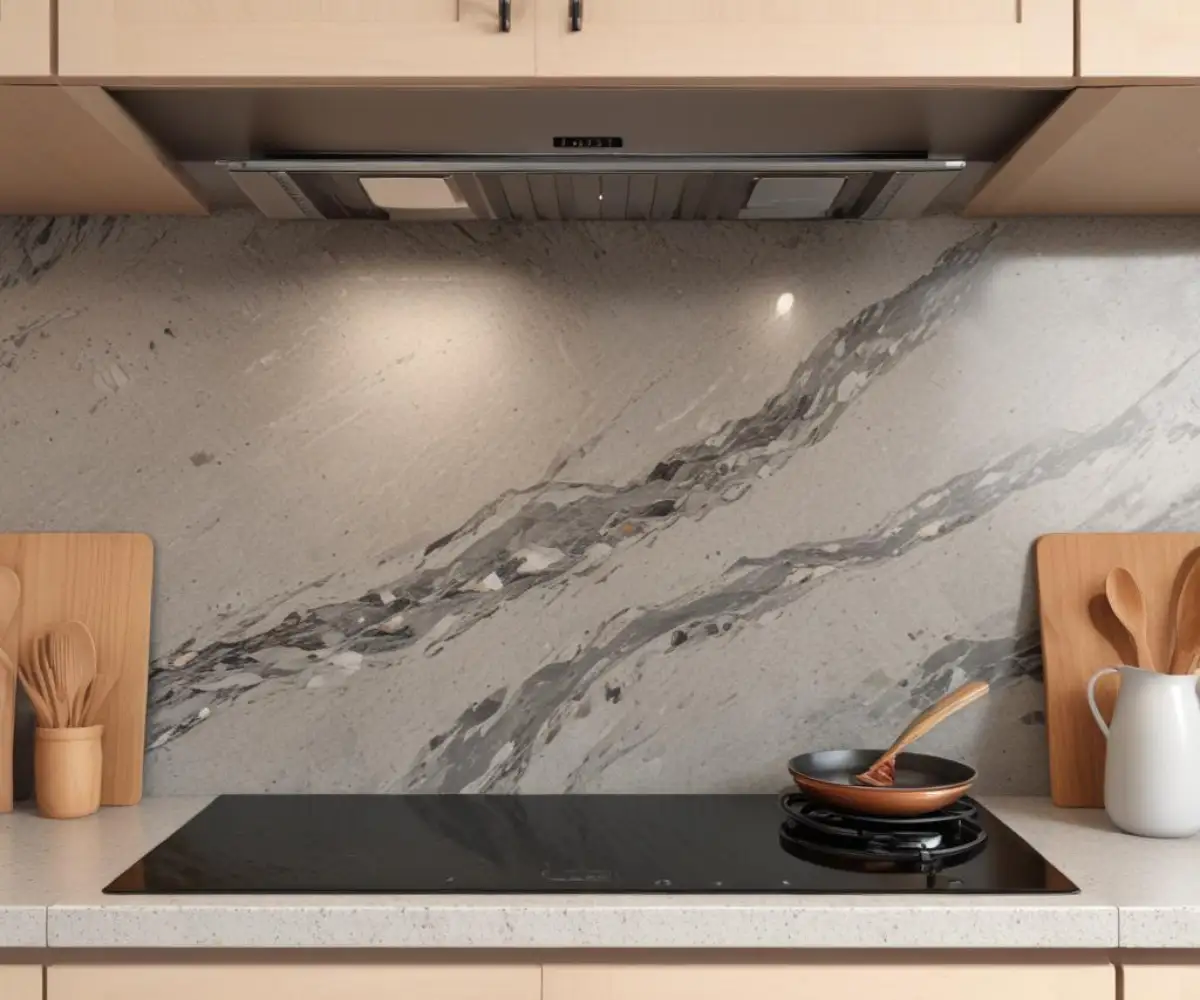
One elegant solution is to install a taller piece of matching granite that extends from the countertop to the range hood. This creates a durable, easy-to-clean surface where it’s needed most. Understanding the specific challenges of placing granite behind a slide-in range is essential for a safe and stylish installation.
Outlets and Switches: The Hidden Headache
One of the most overlooked but frustrating issues is the placement of electrical outlets and switches. A 6-inch backsplash can land exactly where outlets are, awkwardly cutting them in half. This not only looks unprofessional but can create installation challenges.
When planning a new kitchen, ensure your electrician places outlets either fully above or fully within the backsplash area. If you’re dealing with an existing issue, you may need specialized outlet covers. Finding the right outlet covers for an uneven backsplash can provide a clean and code-compliant finish to a tricky problem.
| Feature | 6-Inch Granite Backsplash | Full-Height Granite Backsplash |
|---|---|---|
| Cost | Lower (less material and labor) | Higher (more material and labor) |
| Wall Protection | Protects the critical counter-to-wall seam | Protects the entire wall from counter to cabinets |
| Design Impact | Subtle and traditional; allows for other wall finishes | High-impact, luxurious, and seamless statement |
| Installation | Simpler and faster | More complex, requires precise cuts for outlets |
| Maintenance | Requires cleaning granite and the wall surface above | Single, easy-to-clean surface |
The Final Verdict: Should You Choose a 6-Inch Granite Backsplash?
Ultimately, the decision to use a 6-inch granite backsplash is not about following a trend but about making an informed choice that suits your kitchen, budget, and personal style. It is not an inherent design mistake; a poorly executed design is the real culprit.
A 6-inch backsplash can look sophisticated and intentional when paired with the right wall treatment, cabinetry, and hardware. It offers a classic foundation that provides durability where it matters most while allowing for creative expression on the wall above.
The Future of the Backsplash
As design evolves, the focus remains on personalization and functionality. While slab backsplashes offer a sleek, modern look, the flexibility and cost-effectiveness of a shorter splash ensure it will always have a place in kitchen design. The key is to treat it not as an afterthought, but as an integral part of a well-considered plan.
Whether you are updating an existing kitchen or planning a new one, view the 6-inch granite backsplash as a versatile element. By addressing the wall space above it with intention, you can create a beautiful, functional kitchen that is anything but outdated.
