6/12 Vaulted Ceiling: The Ultimate Guide to This Dramatic Design
The dream of a spacious, light-filled home often leads to one captivating architectural feature: the vaulted ceiling. But navigating the world of roof pitches and construction jargon can feel overwhelming. You want the drama and openness, but you’re stuck on the numbers, wondering what a “6/12 vaulted ceiling” really means and if it’s the right choice to transform your living space.
This confusion is a common roadblock. Homeowners are drawn to the aesthetic appeal but are often unprepared for the structural, financial, and even practical lifestyle implications. This guide will demystify the 6/12 pitch vaulted ceiling, providing a clear path from curiosity to confident decision-making.
You'll Learn About
What Exactly Is a 6/12 Vaulted Ceiling?
Understanding the terminology is the first step. The numbers aren’t arbitrary; they are a precise architectural measurement that defines the slope of your ceiling and, ultimately, the character of your room. It’s a popular choice for a reason, offering a perfect middle ground in the world of vaulted designs.
Breaking Down the “6/12 Pitch”
The term “pitch” refers to the steepness of a roof. A 6/12 pitch is a straightforward ratio. For every 12 inches the ceiling runs horizontally, it rises 6 inches vertically. This creates a slope with an angle of 26.57 degrees—a moderate, graceful incline that is visually appealing without being excessively sharp.
Compared to a steeper 12/12 pitch (a 45-degree angle) or a lower 4/12 pitch (about 18.4 degrees), the 6/12 pitch strikes a harmonious balance. It provides a noticeable lift and sense of volume while maintaining a comfortable, human scale within the room.
The Visual & Spatial Impact
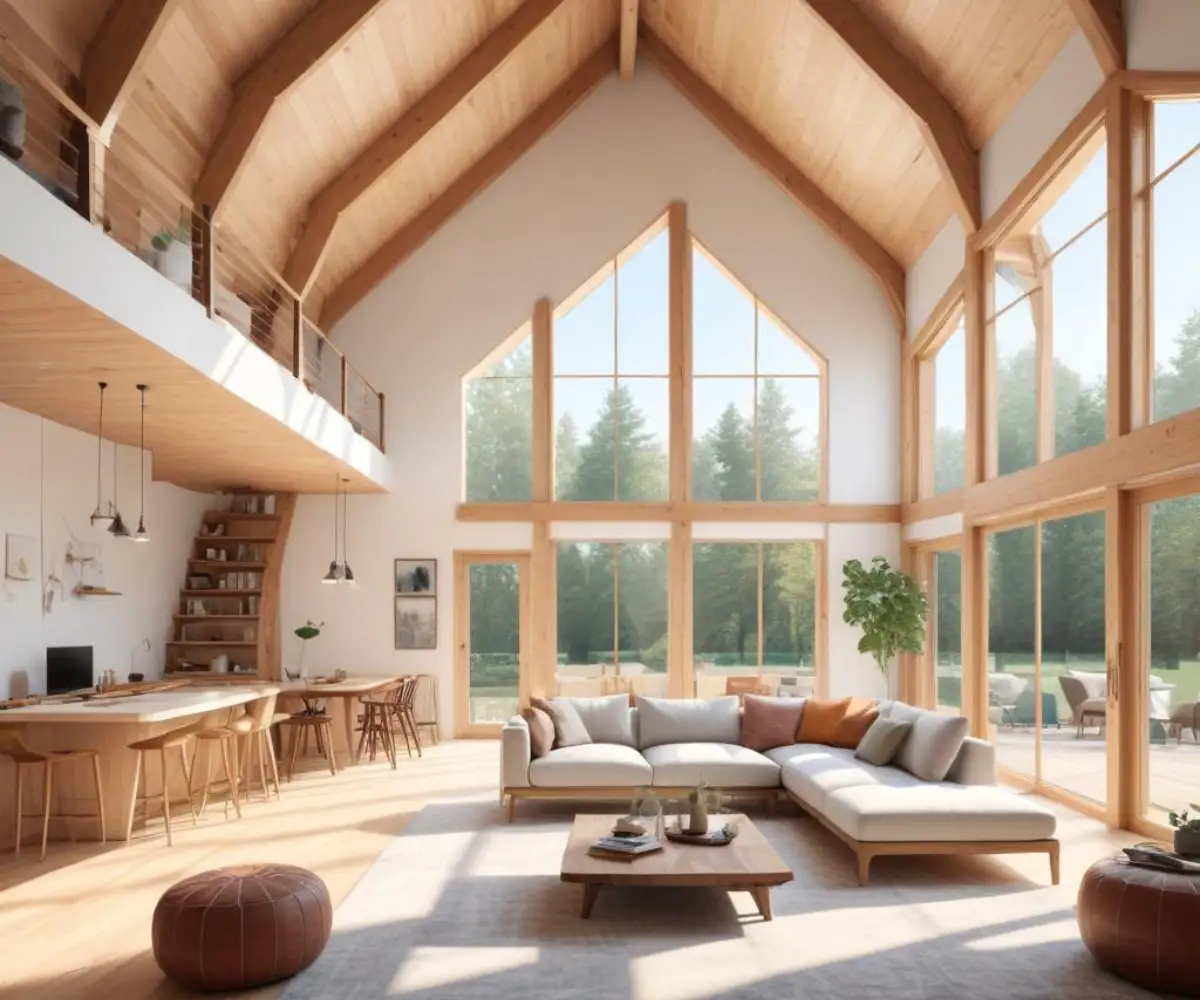
Choosing a 6/12 vaulted ceiling dramatically alters the feeling of a room. It transforms a standard, flat space into an airy sanctuary. The gentle slope draws the eye upward, creating an illusion of greater space and making even smaller rooms feel grand and open.
This pitch is often considered the “Goldilocks” of vaulted ceilings. It’s high enough to feel expansive and allow for stunning light fixtures and large windows, but not so high that the room feels cavernous or loses its sense of intimacy. It enhances natural light, making the entire space brighter and more inviting.
The Critical Structural Questions You Must Ask
Transforming a ceiling is not just a cosmetic change; it’s a major structural renovation. Before you can enjoy the aesthetics, you must address the engineering that makes it all possible. The integrity of your home depends on getting this part right, and it always begins with professional consultation.
Ridge Beams vs. Rafter Ties: The Great Debate
In a standard roof structure, ceiling joists run horizontally, connecting the rafters and preventing the weight of the roof from pushing the walls outward. When you remove these joists to create a vault, that force must be managed in a different way. This leads to two primary structural solutions:
- Structural Ridge Beam: This is the most common and often preferred method for a clean, open vault. A large, engineered beam is installed at the peak (the ridge) of the ceiling. This beam carries the roof load, transferring it down to the foundation through posts in the walls. With a ridge beam, the rafters are supported from the top, eliminating the outward pressure on the walls.
– Rafter Ties (or Collar Ties): These are horizontal boards that connect opposing rafters, essentially creating a “mini” ceiling joist higher up. While they can work, they must be placed in the lower third of the rafters’ span to be effective against wall spread. This means you will have visible beams crossing the upper portion of your vaulted space, which can alter the aesthetic.
The choice between these two is fundamental. A ridge beam offers a completely open look but requires significant engineering and support down to the foundation. Rafter ties are often used in retrofits but can clutter the open space you’re trying to achieve. An engineer must determine the right approach for your home.
Can Your Existing Home Handle the Transformation?
Converting a flat ceiling into a vaulted one is a complex project. Before any demolition begins, a structural engineer must assess your home’s framework. They will determine if your foundation and walls can handle the redistributed load from a new ridge beam. This process is far more involved than simply wanting to raise the ceiling height; it involves re-engineering the roof’s support system.
The strength of your home’s existing frame, including whether it uses robust materials like in 2×6 interior walls, can play a role, but the primary concern is always the roof structure itself. An engineer’s report is not optional—it is a critical requirement for a safe and successful project.
Weighing the Pros and Cons of a 6/12 Vault
A 6/12 vaulted ceiling is a significant investment that brings both incredible benefits and practical challenges. Evaluating these factors honestly will help you decide if this architectural feature aligns with your lifestyle, budget, and long-term goals for your home.
| Feature | The Upside (Pros) | The Downside (Cons) |
|---|---|---|
| Aesthetics & Space | Creates a stunning architectural focal point. Makes rooms feel significantly larger, more open, and airy. | Can sometimes feel less cozy or intimate. The increased volume can make decorating challenging. |
| Natural Light | Allows for larger windows, transoms, and skylights, flooding the space with natural light. | Increased sun exposure can lead to higher cooling costs in the summer and potential UV damage to furnishings. |
| Construction Cost | Adds significant resale value and character to the home. | Significantly more expensive than a flat ceiling. Requires specialized engineering, more materials, and higher labor costs. |
| Energy Efficiency | Can improve airflow with proper design and the use of ceiling fans. | Higher heating and cooling bills are common. Hot air rises to the peak, leaving the living area colder in winter. The larger volume requires more energy to regulate. |
| Maintenance | Unique design feature that sets the home apart. | Difficult to clean high windows and beams. Changing lightbulbs or dusting ceiling fans requires a very tall ladder or professional help. |
Mastering the Design: From Lighting to Finishes
Once the structural plan is in place, the creative part begins. A vaulted ceiling is a blank canvas, and your choices in lighting and materials will define its character. A thoughtful design plan is essential to making the most of this dramatic feature and avoiding common pitfalls.
Lighting Your Vaulted Masterpiece
Effectively lighting a sloped, high ceiling is one of the biggest design challenges. A single, central fixture is rarely sufficient and can leave corners in shadow. The key is a layered lighting approach that combines different types of light for function and ambiance.
Consider a mix of recessed lighting angled to match the slope, a stunning statement chandelier or pendant to act as a focal point, and track lighting to highlight architectural details or artwork. Skylights are another fantastic option, providing abundant natural light during the day. Uplighting concealed on exposed beams can also add a soft, ambient glow in the evenings.
Choosing the Right Materials
The material you choose for your ceiling surface has a massive impact on the room’s style. For a clean and modern look, a smooth drywall finish is timeless. It creates a bright, reflective surface that enhances the feeling of space and light.
For a warmer, more rustic or coastal vibe, tongue-and-groove wood planks are an excellent choice. Materials like pine, cedar, or painted poplar add texture and character. Finally, exposed beams—whether they are truly structural or purely decorative faux beams—can add architectural interest and help to ground the high ceiling, making the space feel more defined.
The Hidden Challenges No One Talks About
Beyond the obvious considerations of cost and construction, living with a vaulted ceiling introduces unique environmental challenges. These practical issues are often overlooked in the design phase but can have a significant impact on your daily comfort. Addressing them proactively is key to fully enjoying your new space.
The “Echo Chamber” Effect and How to Tame It
The large volume and hard, angled surfaces of a vaulted room can create an acoustic nightmare. Sound waves bounce around, leading to echoes and reverberation that can make conversations difficult and movie nights a cacophony. This is a common problem that many homeowners don’t anticipate.
The solution lies in acoustic management through soft surfaces. Incorporate large area rugs, plush furniture, heavy curtains, and even fabric wall hangings or acoustic art panels. These elements absorb sound waves, preventing them from reflecting around the room and creating a much more pleasant and quiet environment.
The Air Circulation Nightmare: Solving Hot & Cold Spots
Basic physics dictates that hot air rises. In a room with a 6/12 vaulted ceiling, this creates a significant comfort challenge. In the winter, all the expensive warm air produced by your furnace will pool at the peak, leaving the area where you actually live feeling chilly. In the summer, the sun beating on the roof can turn the upper portion of the room into an oven.
A ceiling fan is a start, but a truly effective solution requires a more comprehensive approach. Ensure your HVAC system is properly sized for the increased volume of the room. Strategically placed air returns—both high on the wall for summer cooling and low on the wall for winter heating—are crucial. A modern, variable-speed ceiling fan, run in reverse (clockwise) on a low setting during winter, will gently push the trapped warm air down without creating a draft.
Budgeting for Your Dream Ceiling: What to Expect
Embarking on a vaulted ceiling project is a significant financial commitment. The costs extend far beyond what you might expect for a standard renovation. Understanding the factors that influence the price is essential for creating a realistic budget and avoiding surprises.
The complexity of vaulting a ceiling means that comparing it to other projects, like the cost to raise 8-foot ceilings, can be misleading. Vaulting requires re-engineering the roof structure, which is a far more intensive process. Key cost drivers include the fee for a structural engineer, the price of a large ridge beam, high-performance insulation (spray foam is often recommended for its superior sealing properties), and the extended labor for working at height. Additional expenses for new lighting, drywall finishing, and painting also add up.
Is a 6/12 Vaulted Ceiling the Right Choice for You?
A 6/12 vaulted ceiling can be a breathtaking addition to a home, offering unparalleled light, space, and architectural beauty. However, it’s a decision that demands careful consideration of both the inspiring benefits and the practical challenges.
Ultimately, the right choice comes down to an honest assessment of your budget, your home’s structural capabilities, and your willingness to manage the ongoing energy and maintenance considerations. By arming yourself with knowledge and consulting with qualified professionals, you can make an informed decision and create a truly spectacular living space that you will enjoy for years to come.