
5-10-5 Fertilizer at Lowes: Unlock Your Garden’s Full Potential
Walking down the fertilizer aisle at Lowe’s can feel overwhelming. The shelves are a kaleidoscope of bags and bottles, each plastered with numbers and promises, leaving many gardeners in a state of paralysis by analysis.
You know your plants need food, but which formula is the right one? This uncertainty often leads to choosing the wrong product, resulting in lackluster blooms, a meager harvest, and wasted effort. The secret to a vibrant garden often lies in understanding a classic, time-tested formula that many overlook: 5-10-5 fertilizer.
You'll Learn About
What Do the Numbers on 5-10-5 Fertilizer Actually Mean?
The three numbers on any fertilizer bag represent the N-P-K ratio. This is the universal language of plant nutrition, indicating the percentage of three essential macronutrients by weight. Understanding this simple code is the first step toward becoming a more effective gardener.
This ratio is not arbitrary; it’s a precise recipe designed to influence plant growth in specific ways. A balanced understanding empowers you to select the right tool for your garden’s unique needs instead of relying on guesswork.
Decoding N-P-K: Nitrogen (N) for Lush Leaves
The first number, 5, stands for Nitrogen (N). Think of nitrogen as the “growth engine” for plants. It is a primary component of chlorophyll, the compound that plants use to convert sunlight into energy, which is what gives them their green color.
A healthy dose of nitrogen promotes vigorous, leafy growth. For plants where foliage is the star, like lettuce, spinach, or your lawn, nitrogen is the most critical component. The relatively low “5” in 5-10-5 ensures green growth without encouraging the plant to focus all its energy on leaves at the expense of flowers and fruit.
Phosphorus (P): The Powerhouse for Roots and Flowers
The second and highest number, 10, represents Phosphorus (P). If nitrogen is about growth, phosphorus is about structure and reproduction. It plays a vital role in developing strong, healthy root systems, which are the foundation of any thriving plant.
Crucially, phosphorus is the key driver behind flowering, fruiting, and seed production. The high concentration of this nutrient in 5-10-5 fertilizer is what makes it a superstar for anything that needs to produce blooms or a harvest, from tomatoes to roses.
Potassium (K): The Guardian of Overall Plant Health
The final number, 5, stands for Potassium (K). Potassium acts as a regulator and a defender for the entire plant system. It helps manage water uptake, improves drought tolerance, and strengthens the plant’s ability to resist diseases and pests.
Think of potassium as the oil that keeps the plant’s internal machinery running smoothly. It supports the functions driven by nitrogen and phosphorus, ensuring the plant is resilient and healthy from the inside out.
The Unsung Hero: Why 5-10-5 Is a Gardener’s Best Friend
In a world of specialized, high-tech fertilizers, the humble 5-10-5 formula remains a staple for good reason. Its composition is intentionally skewed to support the most critical phases of a plant’s life beyond initial greening. It is a “bloom and root” booster by design.
This makes it an incredibly versatile and effective choice for a huge range of plants commonly found in home gardens. By prioritizing phosphorus, it encourages plants to invest their energy in producing flowers and fruit, which is often the primary goal of the home gardener.
This focus on reproductive energy is what sets it apart from “all-purpose” fertilizers that might have a balanced ratio like 10-10-10. While balanced formulas are excellent for general feeding, 5-10-5 provides a targeted push for more beautiful blooms and a more bountiful harvest.
Navigating the Aisles: Finding the Best 5-10-5 Fertilizer at Lowe’s
When you visit Lowe’s, you’ll find 5-10-5 fertilizer, often referred to as “vegetable food” or “bloom booster,” from various brands. It’s important to focus on the N-P-K ratio itself, not the brand name. A 5-10-5 ratio from one brand provides the same nutritional building blocks as another.
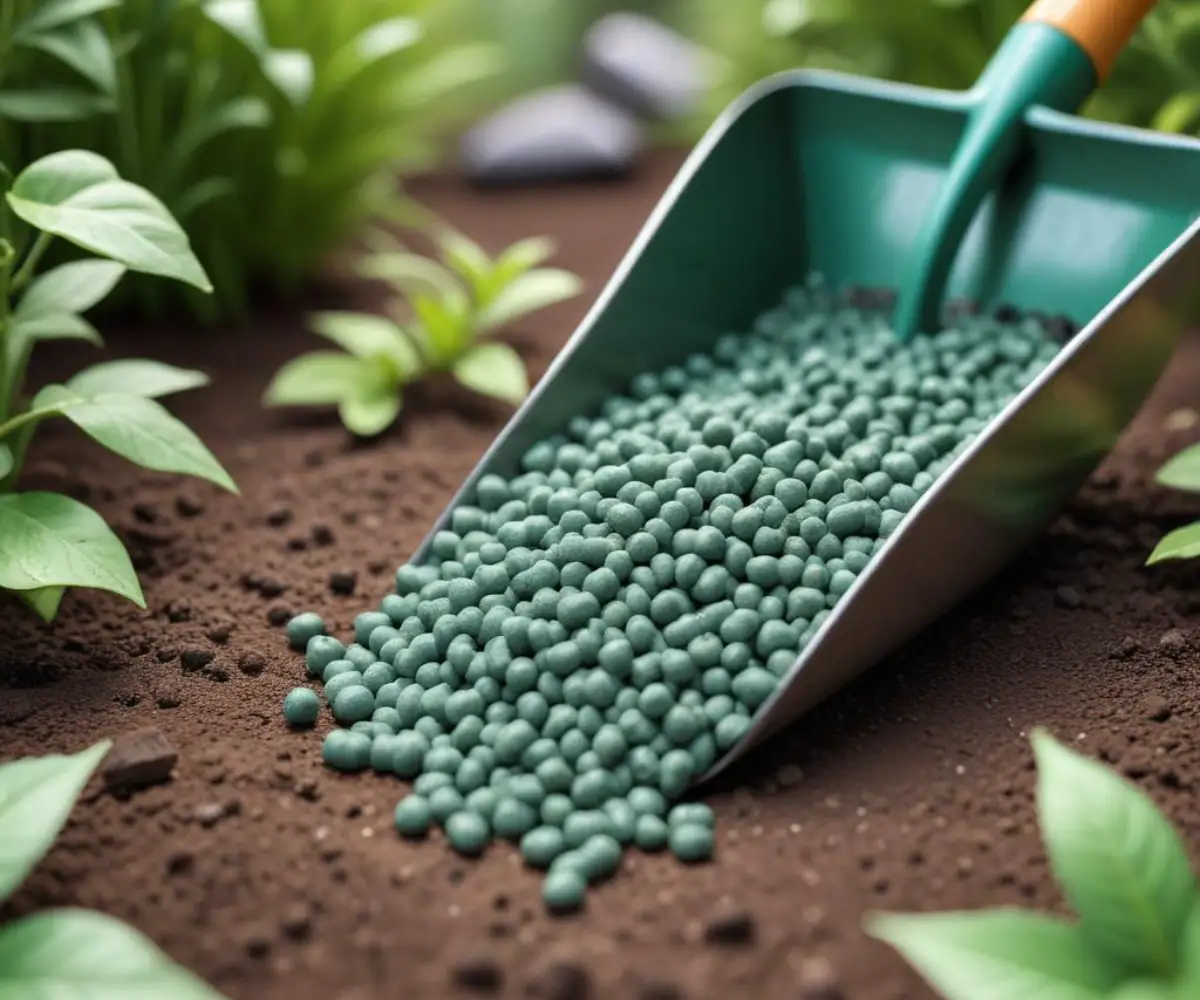
Look for it in the garden center, typically in granular form, sold in bags of various sizes. Granular fertilizer is slow-release, meaning it will feed your plants over an extended period as it breaks down in the soil. This provides a steady stream of nutrients rather than a single, sudden jolt.
From Bag to Bounty: A Step-by-Step Guide to Applying 5-10-5
Using fertilizer correctly is just as important as choosing the right one. The goal is to deliver nutrients to the plant’s root zone without causing harm. Following a few simple steps ensures your plants get the maximum benefit from your efforts.
Improper application can lead to “fertilizer burn,” where the sensitive roots are damaged by an over-concentration of mineral salts. This can set your plants back or even kill them, so precision and care are paramount.
Step 1: Reading the Label is Non-Negotiable
Before you open the bag, read the application instructions carefully. The manufacturer will provide specific guidance on how much to use for different types of plants and different container or garden sizes. These directions are your most reliable guide.
The label will also contain important safety information. While generally safe, it’s always wise to wear gloves when handling fertilizers and to wash your hands thoroughly afterward.
Step 2: Measuring for Success – Don’t Eyeball It!
Resist the temptation to just scoop and toss. Use a measuring cup or a garden scoop to ensure you are applying the correct amount. Too little fertilizer won’t produce the desired results, while too much can cause serious damage.
For garden beds, the instructions will likely give you a rate per square foot (e.g., 1.5 lbs per 100 square feet). For individual plants or containers, it may be measured in tablespoons or cups. Precision is key.
Step 3: Application Techniques for Different Gardens
The best way to apply 5-10-5 fertilizer is the “side-dressing” or “banding” method. Instead of broadcasting it over the entire area, you apply it around the base of the plant, a few inches away from the main stem. This concentrates the nutrients where the roots can easily access them.
Gently scratch the granules into the top inch of soil with a hand rake or your fingers. This prevents the fertilizer from being washed away by rain or irrigation and begins the process of it breaking down and becoming available to the plant.
Step 4: Watering It In – The Crucial Final Step
Watering immediately after application is an absolutely essential step. Water serves two purposes: it washes any stray fertilizer granules off the plant’s leaves to prevent burning, and more importantly, it activates the fertilizer by starting to dissolve the granules into the soil.
Without water, the nutrients will just sit on the surface, unavailable to your plants. A thorough watering ensures the food begins its journey down to the root zone where it’s needed most.
The Perfect Match: Which Plants Thrive with 5-10-5?
The high phosphorus content in 5-10-5 fertilizer makes it the ideal choice for a wide variety of plants where the flower, fruit, or root is the desired product. It provides just enough nitrogen for healthy green leaves to support photosynthesis without creating an unmanageable jungle of foliage.
Below is a breakdown of plant types that benefit greatly from this specific formula. Using it correctly can dramatically increase your yields and the quality of your blooms.
| Plant Category | Specific Examples | Why 5-10-5 Works |
|---|---|---|
| Fruiting Vegetables | Tomatoes, Peppers, Cucumbers, Squash, Eggplant, Beans | The high phosphorus (P) content directly fuels flower production, which is a prerequisite for fruit. Potassium (K) helps with disease resistance and water regulation during fruit development. |
| Root Vegetables | Carrots, Beets, Radishes, Turnips, Potatoes | Phosphorus is essential for stimulating strong, healthy root growth. This formula encourages the plant to store energy underground in the developing vegetable. |
| Flowering Perennials & Annuals | Roses, Daylilies, Zinnias, Marigolds, Peonies, Petunias | Promotes bigger, more numerous, and more vibrant blooms. This is especially crucial for reluctant bloomers; if you find your cardinal vine not blooming, the phosphorus boost in 5-10-5 can be a game-changer. |
| Flowering Bulbs | Tulips, Daffodils, Lilies, Hyacinths | Applied as new growth emerges, it replenishes the energy the bulb used to survive winter and fuels the current season’s flower show. The phosphorus also helps the bulb store energy for next year. |
| Fruit Trees & Berries | Apple Trees, Peach Trees, Blueberries, Strawberries | Supports the critical flowering and fruiting stages. The potassium component also aids in fruit quality and the overall hardiness of the plant. |
Gardener’s Beware: Common 5-10-5 Mistakes and How to Avoid Them
While 5-10-5 is a powerful tool, it can cause problems if used incorrectly. Being aware of the common pitfalls is essential for ensuring you’re helping, not hurting, your beloved plants. A little knowledge goes a long way in preventing garden disasters.
Most issues arise from the “more is better” mentality. Fertilizer is not like water; too much is far more dangerous than too little. Following the package directions is the single best way to avoid these common errors.
Mistake #1: Over-fertilizing
This is the most frequent and damaging mistake. Piling on extra fertilizer, hoping for faster results, will lead to fertilizer burn. Symptoms include yellowing or browning leaves, wilting, and stunted growth as the excess salts draw moisture out of the roots.
Always measure, and when in doubt, use less. You can always add a little more later in the season if needed, but you cannot easily take away what has already been applied.
Mistake #2: Applying at the Wrong Time
Timing is everything. Applying fertilizer when a plant is dormant, such as in late fall or winter, is useless as the plant cannot absorb the nutrients. It will simply get washed away by rain and snow, potentially polluting local waterways.
Apply 5-10-5 during the active growing season. A good strategy is to apply it at the time of planting to support root development, and then again just as the plant begins to form flower buds.
Mistake #3: Getting Fertilizer on Plant Leaves
Granular fertilizer resting on leaves can draw moisture out of the leaf tissue, causing burn spots, especially on hot, sunny days. Always try to apply the fertilizer to the soil around the plant, not directly on top of it.
If you do accidentally spill some on the foliage, simply brush it off or rinse it with a gentle stream of water before it has a chance to cause any damage.
Beyond the Basics: Pro Tips for Supercharging Your Garden
Once you’ve mastered the fundamentals of using 5-10-5, you can incorporate more advanced techniques to truly optimize your garden’s health and productivity. These strategies work in synergy with your fertilizer, creating a robust ecosystem for your plants to thrive in.
This holistic approach focuses on building a strong foundation in your soil, which ultimately makes any fertilizer you add more effective and efficient.
The Ultimate Guide: Test Your Soil First
While 5-10-5 is a fantastic general-purpose bloom booster, the only way to know exactly what your garden needs is to conduct a soil test. Inexpensive soil test kits are available at Lowe’s or your local extension office. These tests reveal the precise pH and nutrient levels of your soil.
A soil test might show that your soil is already high in phosphorus, for example. In that case, using a high-phosphorus fertilizer would be wasteful and potentially harmful. Testing your soil replaces guessing with knowing, allowing for the most targeted and effective feeding strategy.
Build a Foundation with Organic Matter
Fertilizer should be seen as a supplement to, not a replacement for, healthy soil. The single best thing you can do for your garden is to amend your soil with compost and other organic matter. This improves soil structure, water retention, and microbial life.
When your soil is rich and alive, the nutrients from fertilizers like 5-10-5 are more readily available to your plants. A foundation of healthy soil makes every other input more effective.
The Takeaway: Is 5-10-5 the Right Choice for Your Garden?
For the home gardener focused on producing beautiful flowers and a healthy harvest of fruits and vegetables, 5-10-5 fertilizer is an exceptional and cost-effective choice. Its nutrient profile is specifically designed to support the reproductive phases of plant life, leading directly to the results most gardeners crave.
By understanding what the numbers mean and how to apply it correctly, you can walk into Lowe’s with confidence. You can bypass the confusing marketing and select the proven, powerful formula that will help you unlock your garden’s true potential, season after season.
