
4-Inch vs 6-Inch Backsplash: The #1 Mistake You Can’t Afford to Make
Choosing a backsplash seems simple until you’re faced with a seemingly minor detail that has major consequences: the height. The debate between a 4-inch vs 6-inch backsplash is more than just two inches of material; it’s a decision that impacts your kitchen’s style, functionality, and long-term value. Making the wrong choice can leave your kitchen looking dated and create awkward design challenges down the road.
This guide will illuminate the critical differences between these two popular options. We’ll explore the pros and cons of each, uncover the hidden factors you must consider, and help you avoid the costly mistake of choosing a backsplash that undermines your entire kitchen design.
You'll Learn About
Understanding the Backsplash Basics: What Are We Comparing?
Before diving into the debate, it’s essential to understand the terminology. Both the 4-inch and 6-inch backsplashes typically refer to a short “riser” or “lip” made from the same material as the countertop. This creates a continuous, seamless look from the horizontal counter surface up the vertical wall.
The 4-inch backsplash has long been the standard height provided by many countertop fabricators. It offers basic protection against spills and splashes right at the back of the counter. The 6-inch backsplash is a taller, more contemporary alternative that provides extended protection and a more substantial visual presence.
The 4-Inch Backsplash: A Timeless Classic or an Outdated Relic?
For decades, the 4-inch backsplash was the unquestioned champion of kitchen design. It’s a minimalist, cost-effective option that gets the basic job done. However, in modern design circles, it’s often viewed as a signal of a dated or builder-grade kitchen, which presents a significant dilemma for homeowners.
The Pros of a 4-Inch Backsplash
The primary advantage of the 4-inch backsplash is its lower cost. Since it uses less material than a 6-inch version or a full-tile backsplash, it’s a budget-friendly choice. Its installation is also straightforward, typically handled at the same time as the countertop.
From a design perspective, it offers a subtle, unobtrusive look. It doesn’t dominate the wall, allowing you to use a bold paint color or unique wallpaper above it without the space feeling too busy.
The Cons of a 4-Inch Backsplash
The biggest drawback is its limited protection. A 4-inch riser won’t stop splashes from a busy sink or splatters from a bubbling pot on the stove. This leaves the painted wall behind it vulnerable to moisture, stains, and damage over time.
Aesthetically, it creates a distinct horizontal line that can visually chop up the wall. This becomes particularly problematic if you decide to add tile later, as the 4-inch lip often creates what designers call “the dreaded double backsplash,” a look that is almost universally considered a design faux pas.
The Rise of the 6-Inch Backsplash: A Modern and Practical Contender
The 6-inch backsplash emerged as a solution to the shortcomings of its shorter counterpart. It offers a more intentional, custom-designed feel that bridges the gap between a minimal lip and a full-height backsplash, providing both enhanced style and superior function.
The Pros of a 6-Inch Backsplash
The most significant benefit is superior wall protection. Those extra two inches make a substantial difference in safeguarding the wall from everyday kitchen messes, reducing the need for constant cleaning and paint touch-ups. This added height is especially valuable behind sinks and cooking areas.
Visually, a 6-inch backsplash provides a more substantial and grounded look. It creates a stronger, more deliberate transition from the countertop to the wall, which many find more aesthetically pleasing in contemporary and transitional kitchen designs. It feels less like an afterthought and more like an integrated part of the overall plan.
The Cons of a 6-Inch Backsplash
The most obvious downside is the increased cost due to the additional material required. While not as expensive as a full-height slab, it is a noticeable step up from the 4-inch standard. You must factor this into your countertop budget from the beginning.
Additionally, a 6-inch riser can sometimes interfere with the placement of electrical outlets. Depending on your kitchen’s layout, it might require relocating outlets or using custom switch plate covers, adding a layer of complexity to the installation process.
Head-to-Head Comparison: The Ultimate Decision-Making Table
Choosing between these two options requires weighing their attributes against your specific needs and priorities. This table breaks down the key differences to help clarify which choice is right for your project.
| Feature | 4-Inch Backsplash | 6-Inch Backsplash |
|---|---|---|
| Aesthetic Appeal | Traditional, minimalist, can look dated. | Modern, substantial, more of a design statement. |
| Wall Protection | Minimal. Protects only the area immediately behind the counter. | Good. Offers significantly more protection against splashes and stains. |
| Cost | Lower. Standard option with less material cost. | Higher. Requires more countertop material and may have slightly higher labor costs. |
| Design Flexibility | Limited. Can create awkward lines if you add tile above it later. | Moderate. Provides a solid base but can still define a horizontal break. |
| Resale Value | May be perceived as builder-grade or dated by potential buyers. | Often perceived as a thoughtful upgrade, signaling a more custom kitchen. |
| Outlet Integration | Easy. Standard outlets typically sit comfortably above the riser. | Can be challenging. May require careful planning or notching the material. |
The Critical Factors You MUST Consider Before Choosing
The decision between a 4-inch and 6-inch backsplash goes beyond the comparison table. Several unique aspects of your kitchen’s layout and your personal style will heavily influence the right choice. Ignoring these factors is the mistake that leads to design regret.
Your Kitchen’s Overall Style
First, consider your kitchen’s design language. A 4-inch backsplash might feel perfectly at home in a very traditional or rustic farmhouse kitchen, especially when the wall above is simply painted. In a sleek, modern, or transitional kitchen, however, a 6-inch riser often provides a cleaner and more appropriate look.
The Space Between Your Counter and Upper Cabinets
The amount of vertical space you have is crucial. The standard distance is 18 inches. In a space like this, a 6-inch backsplash looks proportional. However, if your cabinets are hung lower, a 6-inch riser could make the remaining space feel cramped and small.
This is also where you might encounter other issues. For instance, if you discover your backsplash does not reach cabinets, the initial height choice becomes even more critical in planning a solution. A taller initial backsplash might have prevented the gap in the first place.
Your Plan for the Wall Above
This is perhaps the most important consideration. Do you plan to tile the wall above the riser? If so, many designers would advise against using a riser at all and running the tile directly down to the countertop. A 4-inch or 6-inch lip with tile above it creates two different materials and a horizontal line that breaks up the surface.
If you have no plans for tile and intend to paint, a 6-inch backsplash provides a more durable and scrubbable surface in the high-splash zone. It creates a more finished and intentional design statement against a painted wall.
Placement of Floating Shelves and Fixtures
The height of your backsplash can also affect other design elements. When considering shelving, you must decide whether to install floating shelves before or after the backsplash. A taller, 6-inch backsplash can provide a more solid visual foundation for shelves installed above it.
The Unspoken Secret: The “No Riser” Alternative
While the focus is often on 4-inch vs 6-inch, many modern designs are forgoing the countertop riser entirely. Instead, a full tile backsplash is installed directly onto the countertop. This creates a clean, seamless, and highly protective surface from counter to cabinet.
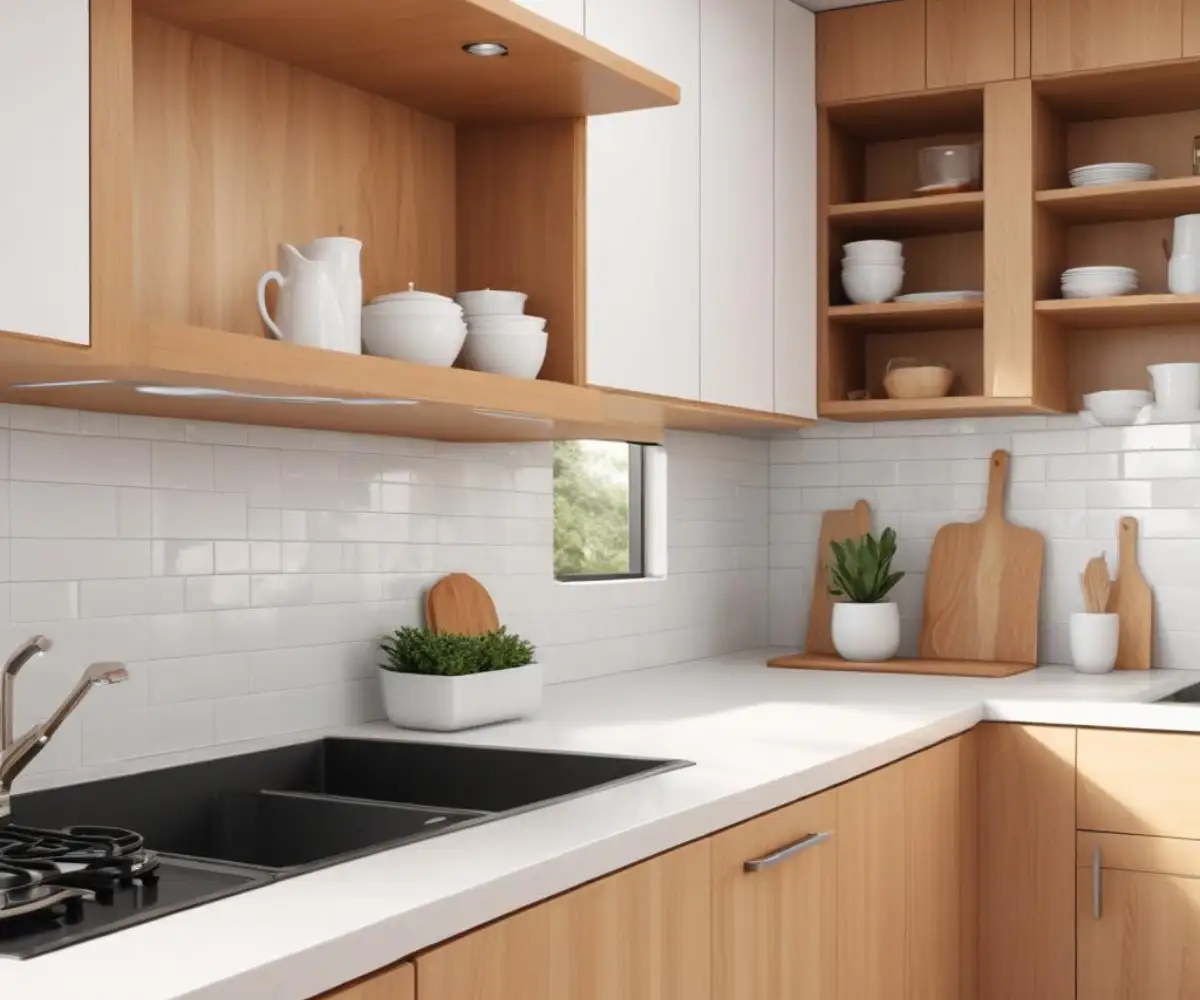
This approach works beautifully with a variety of materials. For instance, a warm white tile backsplash can create a bright, timeless look that feels both classic and completely modern. By eliminating the stone riser, you avoid any awkward transitions and let the tile be the star of the show.
Opting for no riser is often the best choice if you have any intention of installing a decorative tile backsplash now or in the future. It provides a clean canvas and prevents you from having to tear out a perfectly good riser down the line.
The Final Verdict: Which Height Is the Right Choice?
So, what is the final answer in the 4-inch vs 6-inch backsplash debate? The truth is, the “mistake” isn’t choosing one height over the other—it’s choosing a height that doesn’t align with your kitchen’s scale, your long-term design plans, and your functional needs.
For most modern renovations aiming for a custom, updated feel, the 6-inch backsplash is the superior choice when you do not plan to add tile above it. It offers better protection, looks more intentional, and aligns better with current design trends. It’s a small investment that pays off in both daily function and aesthetic appeal.
The 4-inch backsplash still has a place, but primarily in budget-conscious projects, traditional designs, or secondary spaces like laundry rooms or bathrooms. However, if you choose it, be aware of its limitations and the risk of it appearing dated, especially to future homebuyers. Ultimately, the best decision comes from carefully considering all the factors and choosing the option that creates a cohesive and beautiful kitchen for years to come.
