
30 vs 36 Range: The #1 Mistake Costing You Kitchen Space & Money
Choosing a new range is a monumental decision for any kitchen renovation. It’s the heart of your culinary space, but one critical choice often trips up homeowners: the size. The debate between a 30 vs 36-inch range isn’t just about six inches; it’s a decision that impacts your kitchen layout, your cooking style, your budget, and even your daily workflow.
Making the wrong choice can lead to a cramped cooking experience, wasted cabinet space, or unexpected costs that derail your budget. This guide breaks down the critical differences to ensure you select the perfect centerpiece for your home and garden, avoiding the number one mistake that could cost you dearly.
You'll Learn About
The Tale of Two Sizes: Understanding the Fundamental Differences
At first glance, the choice seems simple. However, those six inches represent a significant shift in functionality, aesthetics, and kitchen design requirements. Understanding these core distinctions is the first step toward making an informed decision.
The Industry Standard: The 30-Inch Range
For decades, the 30-inch range has been the undisputed standard in residential kitchens across the country. Its compact footprint makes it a versatile fit for almost any layout, from sprawling suburban homes to tight urban apartments. This widespread adoption means you’ll find a vast selection of models, features, and price points.
A 30-inch range is often the practical choice for smaller households or those who cook regularly but don’t require massive capacity. They are typically more energy-efficient and come with a lower initial purchase price, making them an attractive option for budget-conscious renovators. However, the primary drawback is the limited surface area, which can feel crowded when using multiple large pots and pans simultaneously.
The Professional’s Choice: The 36-Inch Range
A 36-inch range makes a bold statement. It evokes the power and prestige of a professional kitchen, offering more burners and a significantly larger oven cavity. This additional space is a game-changer for large families, avid home chefs, and anyone who loves to entertain.
The expanded cooktop allows for comfortable use of multiple large cookware pieces at once, eliminating the frustrating “burner Tetris” common with smaller ranges. Yet, this professional-grade capacity comes with a steeper price tag and demands more from your kitchen’s infrastructure, including cabinetry and, most importantly, ventilation.
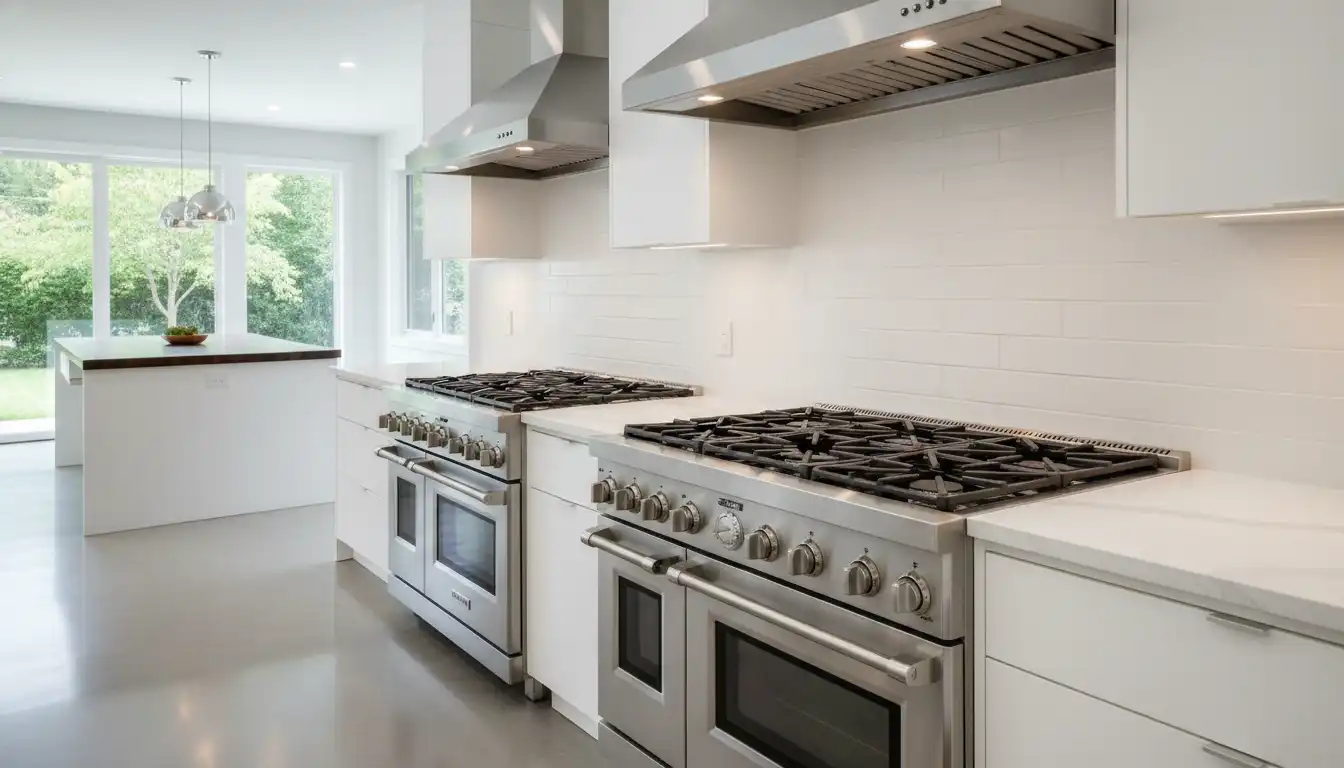
Key Decision Factors: How to Choose the Right Range for You
The right choice isn’t about which range is “better,” but which is better for your specific needs. Answering the following questions honestly will guide you to the perfect fit and prevent costly buyer’s remorse.
1. How Do You Really Cook?
Your daily cooking habits are the most crucial factor. Be realistic about your needs, not just your aspirations. Do you frequently cook multi-course meals that require several large pots simmering at once? Or do you typically prepare simpler meals for one or two people?
For avid entertainers and large families, the extra burner and generous oven space of a 36-inch model can be transformative. If you find yourself constantly juggling pans on a crowded cooktop, the upgrade is likely worth it. Conversely, if you rarely use more than two burners, the extra space might go unused, making a 30-inch range the more sensible, space-saving option.
2. What Can Your Kitchen Layout Accommodate?
This is where a tape measure becomes your best friend. A 36-inch range requires not only 36 inches of horizontal space but also adequate clearance on both sides. You’ll lose six inches of valuable countertop and lower cabinet space, which can be a significant sacrifice in a smaller kitchen.
Furthermore, consider your kitchen’s workflow. An oversized range can sometimes create an obstacle in a compact “kitchen triangle,” making movement less efficient. If you’re undertaking a full remodel, you have the flexibility to design around either size. However, if you’re simply replacing an existing appliance, you’re often constrained by the current cutout, making a 30-inch range the default choice unless you’re prepared for cabinet modifications. Tackling this project can be complex, and understanding potential slide-in range installation problems ahead of time can save you a major headache.
3. The Hidden Cost: Ventilation Requirements
This is the single most overlooked aspect of upgrading to a larger range. A 36-inch range, especially a professional-style gas model, produces significantly more heat, smoke, and grease. This requires a more powerful and wider ventilation hood to effectively protect your air quality and prevent grime from coating your cabinets.
A good rule of thumb is that your range hood should be at least as wide as your cooktop. For a gas range, you generally need 1 CFM (Cubic Feet per Minute) of ventilation power for every 100 BTUs of your cooktop’s output. A high-output 36-inch range can easily require a hood with 600 CFM or more, which is often more expensive and may require larger ductwork and even a professional installer.
Side-by-Side Showdown: 30-Inch vs. 36-Inch Range
To make the decision clearer, here is a direct comparison of the two sizes across the most important metrics for homeowners.
| Feature | 30-Inch Range | 36-Inch Range |
|---|---|---|
| Standard Width | 30 inches | 36 inches |
| Cooktop Capacity | Typically 4-5 burners; can be cramped with large pans. | Typically 5-6 burners; ample space for multiple large pots. |
| Oven Capacity | Approx. 4.5 – 5.8 cubic feet. | Approx. 5.5 – 6.5+ cubic feet; fits larger roasts and full-size baking sheets. |
| Ideal Kitchen Size | Suitable for small to large kitchens; industry standard fit. | Best for medium to large kitchens with ample counter space. |
| Ventilation Needs | Standard 30-inch hood (300-400 CFM is common). | Requires a larger, more powerful hood (36-inch+, 600+ CFM often needed). |
| Typical Cost | More budget-friendly with a wider range of price points. | Higher initial cost for the range, hood, and potential installation. |
Beyond the Basics: Originality and Overlooked Considerations
While space and cost are primary drivers, several less-discussed factors can influence your long-term satisfaction with your choice. Thinking through these points adds a layer of expertise to your decision-making process.
The Ergonomics of a Kitchen
Consider how the extra six inches of a 36-inch range will impact your movement. In some layouts, it can extend just far enough to create a “hip-knocker” corner or tighten the walkway between the range and an island. This subtle change can disrupt the flow and ergonomics you’ve grown accustomed to, turning a spacious-feeling kitchen into one that feels slightly more cumbersome.
Conversely, the wider surface can also be an ergonomic benefit, allowing you to slide heavy pots off a hot burner to a cooler spot on the grates without having to lift them fully. This can be a significant advantage for those with mobility or strength concerns.
Energy Consumption and Pre-Heat Times
A larger oven cavity is not just a spatial consideration; it’s an energy one. It takes more electricity or gas and a longer time to preheat a 6.0 cubic foot oven compared to a 5.0 cubic foot one. While the difference for a single meal is minimal, this can add up over years of daily use.
If you primarily cook smaller meals or bake in smaller batches, you may be consistently heating a large, empty space. This makes the 30-inch oven a more efficient choice for your daily routine, reserving the need for massive capacity for only a few holidays a year.
The Impact on Aesthetics and Resale Value
A 36-inch range is often seen as a luxury upgrade and can be a significant selling point in a high-end kitchen. It acts as a visual anchor, creating a focal point that signals a serious cook’s space. The aesthetic choices surrounding it, from the backsplash to the paint colors, are amplified. The right shade, like a subtle choice between Filmy Green vs Sea Salt, can be influenced by the stainless steel expanse of a larger appliance.
However, forcing a 36-inch range into a kitchen that is too small for it can backfire. It can make the space feel unbalanced and cramped, potentially deterring buyers who value counter space more than cooking capacity. The 30-inch range remains the safe, universally accepted standard that will appeal to the widest range of potential buyers.
Final Verdict: Making the Right Investment for Your Home
The choice between a 30-inch and a 36-inch range is a balancing act between your culinary ambitions and the practical realities of your kitchen and budget. There is no single right answer, only the right answer for you.
Choose a 30-inch range if: You have a small or standard-sized kitchen, cook primarily for a smaller household, are working with a tighter budget, or are replacing an existing 30-inch appliance without wanting to modify cabinets.
Choose a 36-inch range if: You have a large kitchen, cook for a large family or entertain frequently, often use multiple large pots and pans at once, and have the budget for both the appliance and the necessary ventilation upgrade.
By carefully considering your cooking style, measuring your space, and accounting for the hidden costs of ventilation, you can confidently select a range that will not only fit your kitchen perfectly but also serve as a reliable partner in your culinary adventures for years to come.
