
3 Inch Countertop Overhang: The #1 Mistake Hiding in Plain Sight
You’ve selected the perfect slab, finalized the cabinet layout, and chosen hardware that ties it all together. But one small, seemingly insignificant detail remains: the countertop overhang. The industry standard often points to a modest 1.5 inches, but a 3 inch countertop overhang can offer a bold, substantial look. Yet, this decision, often made in the final moments, harbors a critical flaw that can silently undermine your kitchen’s longevity and functionality.
Going beyond the standard isn’t just an aesthetic choice; it’s a structural one. Without understanding the hidden consequences, homeowners may inadvertently invite long-term issues, from premature cabinet wear to unexpected safety hazards. This choice is more than a measurement—it’s about safeguarding the investment you’ve made in your kitchen.
You'll Learn About
Why the Standard Overhang Exists (And Why 3 Inches Challenges It)
The conventional 1 to 1.5-inch countertop overhang is a time-tested feature for a reason. Its primary job is to protect your cabinetry. This slight lip directs spills and crumbs away from drawer fronts and cabinet doors, guiding them straight to the floor for easier cleanup. It’s a simple yet effective barrier against drips of sauce, water, and other liquids that could otherwise stain wood, cause laminate to peel, or damage finish over time.
Functionally, this standard depth also allows you to stand comfortably at the counter, with your body close to the workspace without your feet hitting the cabinet base. When you double that overhang to three inches, you alter this dynamic. While it creates a more pronounced, substantial aesthetic, it also introduces a new set of physical forces and functional quirks that must be properly managed.
The Core Problem: Gravity, Leverage, and Your Cabinets
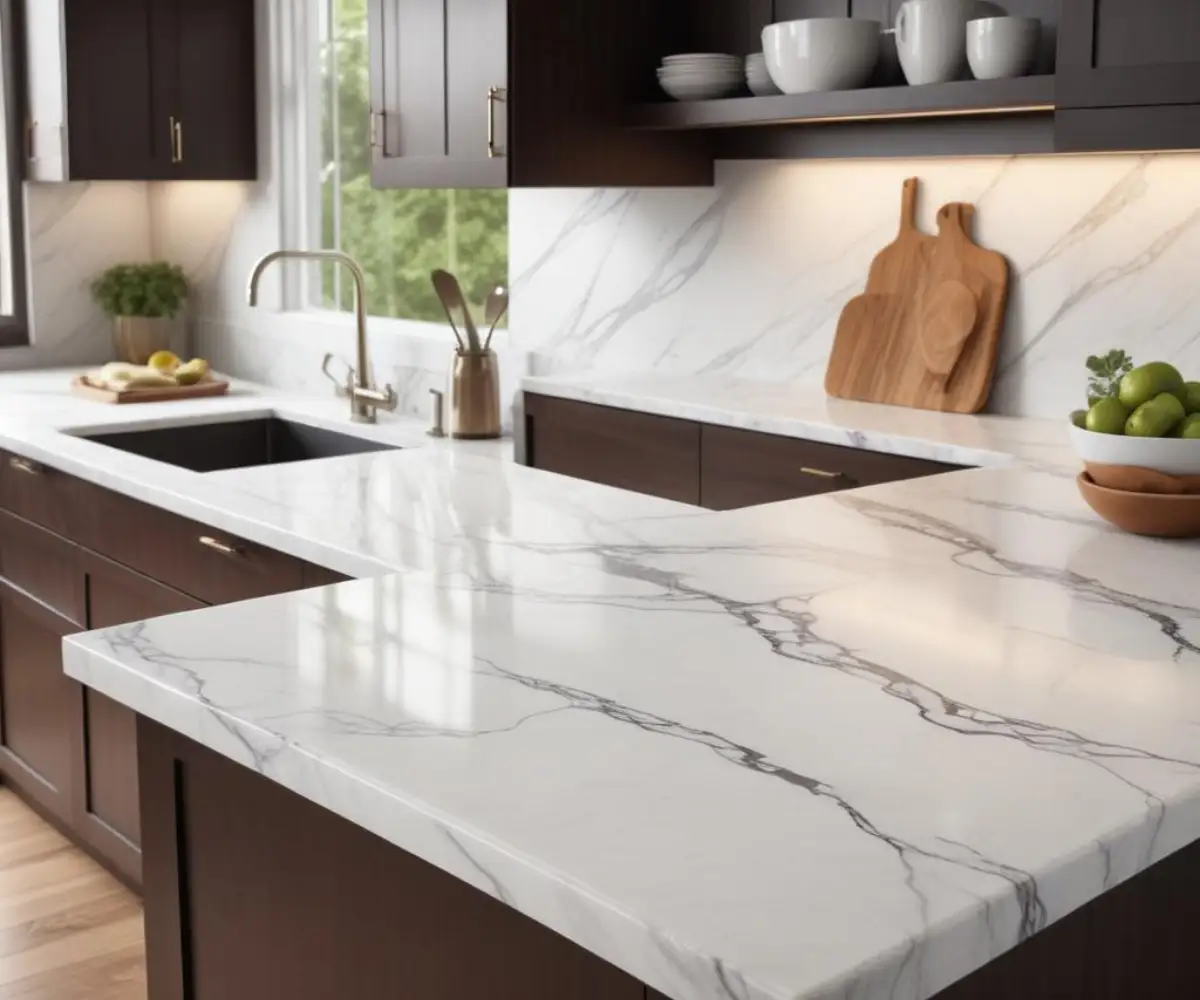
The fundamental issue with a 3 inch countertop overhang is the increased leverage it places on the countertop material and the underlying cabinets. Every inch of unsupported stone or quartz adds weight and stress. Heavy materials like granite, marble, and engineered stone can weigh between 12 to 25 pounds per square foot. When a significant portion of that weight extends past the support of the cabinet base, it creates a tipping or sagging risk over time.
This is especially true for natural stone, which can have invisible fissures or weak points. An improperly supported overhang can concentrate stress on these areas, leading to cracks or even a catastrophic failure. Even if the slab doesn’t break, the persistent downward pressure can cause the front edge of the countertop to sag, creating an uneven work surface and potentially compromising the seams.
Unseen Damage: The Slow Erosion of Your Cabinetry
Beyond the risk to the countertop itself, a deep overhang can transfer stress to your cabinets in ways they weren’t designed to handle. Cabinets are built to bear vertical loads evenly across their structure. An extended overhang creates a rotational force, or torque, on the front edge of the cabinet box. This can slowly pull the cabinet face frames out of alignment, causing doors to hang unevenly and drawers to stick.
Furthermore, the increased distance between the user and the cabinet face can lead to unintentional damage. People may be more inclined to lean heavily on the edge, placing concentrated weight that the structure isn’t prepared for. This seemingly harmless habit can exacerbate stress on both the countertop and the cabinet joints, accelerating wear and tear that you won’t notice until it’s too late.
Is a 3 Inch Overhang Ever the Right Choice?
Despite the potential pitfalls, a three-inch overhang is not inherently a bad design choice. In certain situations, it can be both functional and beautiful, provided it is planned and executed with precision. The key is to understand when it works and what measures are necessary to ensure its stability and safety for years to come.
For example, a deeper overhang can offer a more comfortable workspace, allowing you to get your feet further under the counter. Some designers also use it to create a specific aesthetic, such as achieving a more traditional or furniture-like look for the cabinetry. However, making this decision requires a careful assessment of materials, support structures, and the overall kitchen layout.
Material Matters: Not All Countertops Are Created Equal
The type of material you choose plays a significant role in determining the feasibility of a 3-inch overhang. Denser, stronger materials like certain types of granite and high-quality quartz have greater flexural strength, meaning they can handle a longer unsupported span than softer stones like marble. However, even the strongest materials have their limits.
Laminate and solid surface countertops are much lighter and may handle a 3-inch overhang without issue, but they lack the premium feel of stone. Butcher block is another option, but its stability is highly dependent on its thickness and grain construction. It’s crucial to consult the manufacturer’s specifications for your chosen material, as they will provide precise guidelines on maximum unsupported overhangs.
The Non-Negotiable Requirement: Proper Support
If you are committed to a 3 inch countertop overhang with a heavy material like stone or quartz, additional support is not optional—it is essential. While overhangs up to 10-12 inches for seating areas are common on islands, they are almost always supported. Even a smaller 3-inch overhang along the perimeter can benefit from reinforcement, especially with 2cm slabs or materials known for being more brittle.
Support can come in several forms:
- Plywood Sub-top: A layer of 3/4-inch plywood installed on top of the cabinets provides a continuous, solid base that helps distribute the weight of the countertop more evenly. This is a standard practice for 2cm stone installations but is also a wise addition for any extended overhang.
- Corbels or Brackets: These visible supports are mounted to the front of the cabinets or the wall. They come in a wide range of styles, from simple metal angles to ornate wooden designs, and can become a decorative element in their own right.
- Hidden Steel Supports: For a clean, modern look, flat steel support bars can be routed into the top of the cabinet frames, sitting flush just beneath the countertop. These provide robust support without being visible.
Ignoring the need for support is the single biggest mistake you can make. It transforms a stylish design feature into a ticking time bomb for cracks, sagging, and cabinet damage.
A Strategic Guide to Implementing a 3-Inch Overhang
Successfully incorporating a 3-inch overhang requires proactive planning and clear communication with your designer, cabinet maker, and countertop fabricator. It is not a detail to be decided on installation day. Here’s a step-by-step approach to get it right.
1. Consult with Your Fabricator Early
Before you even finalize your cabinet order, discuss your desire for a 3-inch overhang with your countertop fabricator. They are the material experts and can provide critical guidance based on the specific stone or quartz you’ve selected. They will tell you what is possible, what is safe, and what support systems they recommend.
Ask about the “2/3 rule,” a guideline many fabricators use: at least two-thirds of the countertop’s depth must be supported by the cabinet base. For a standard 24-inch deep cabinet, a countertop with a total depth of 27 inches (resulting in a 3-inch overhang) pushes this ratio. Your fabricator will determine if this is acceptable for your chosen material and thickness.
2. Integrate Support into Cabinet Design
Your support system should be part of the initial cabinet plan. If you opt for decorative corbels, they need to be ordered with your cabinetry to ensure a perfect match in finish and style. If you choose hidden steel supports, your cabinet maker needs to know so they can prepare the cabinets to accommodate them. Attempting to retrofit supports after the fact is often more difficult and may not be as effective.
For those considering a bolder look, a 4-inch mitered edge countertop can create the illusion of a thick slab, and planning for this style from the beginning allows for seamless integration of necessary supports.
3. Consider the Impact on Kitchen Workflow
Think about how a deeper overhang will affect your daily routines. It will place you slightly further away from the back of the counter and any outlets located on the backsplash. While a small difference, it can be noticeable. It also changes the dynamic around appliances. A deeper overhang next to a slide-in range, for example, needs to be carefully templated to ensure a clean, flush fit.
The interaction with your sink is also a key consideration. A deeper overhang can affect how you stand and work at the basin. This is particularly important with larger fixtures; understanding the nuances of a farm sink countertop overhang is crucial for ergonomic comfort and proper drainage.
4. Don’t Forget About the Edges
The edge profile you choose can impact the visual and functional effect of your overhang. A simple eased or squared edge will emphasize the overhang’s depth, creating a clean, modern line. In contrast, a more ornate ogee or bullnose edge can soften the look but may also be more prone to chipping if struck, especially with the increased exposure of a 3-inch overhang.
Some homeowners prefer a nearly invisible overhang, opting for a countertop flush with cabinet doors for a minimalist aesthetic. While stylish, this approach completely sacrifices the protective benefits of an overhang.
Overhang Comparison: Finding the Sweet Spot
To make an informed decision, it’s helpful to see how a 3-inch overhang stacks up against other common depths. Each option offers a different balance of aesthetics, function, and structural requirements.
| Overhang Depth | Pros | Cons | Best For |
|---|---|---|---|
| 1.5 Inches (Standard) | Excellent cabinet protection, comfortable working distance, no extra support needed for most materials. | Can look understated in larger kitchens or with bold cabinet styles. | Virtually all kitchen styles; the safest and most functional default option. |
| 2 Inches | Slightly more substantial look, enhanced spill protection. | May require consultation with fabricator for 2cm stone; borderline for needing support. | Kitchens where a slightly bolder look is desired without major structural changes. |
| 3 Inches | Creates a strong, grounded, furniture-like appearance; offers more toe space. | Requires careful planning and additional support; can feel too deep for some users. | Traditional or transitional kitchens where the countertop is a major design statement and support is integrated. |
| Flush (0 Inches) | Sleek, minimalist, and modern aesthetic. | Offers zero protection for cabinets from spills; drawers and hardware are exposed. | High-end modern or European-style kitchens with durable, water-resistant cabinet finishes. |
The Final Verdict: Plan with Precision or Stick to the Standard
A 3 inch countertop overhang can be a stunning feature that adds weight and character to your kitchen design. However, it is a decision that carries significant consequences if not handled correctly. The allure of its bold aesthetic can quickly fade if it leads to cracked stone, misaligned cabinets, or an unsafe work environment.
The mistake is not in choosing a 3-inch overhang, but in choosing it without a comprehensive plan. It demands collaboration between you, your designer, and your installers. It requires a commitment to investing in the proper support structures. If you are not prepared to address these critical details from the outset, the time-tested 1.5-inch standard remains the superior choice for ensuring the beauty and durability of your kitchen for years to come.
