
2mm Wear Layer Engineered Hardwood: The Unvarnished Truth
Navigating the world of engineered hardwood can feel overwhelming. You’re bombarded with technical terms, and one of the most critical yet confusing is the “wear layer.”
Many homeowners find themselves paralyzed by this single detail. Is a 2mm wear layer a savvy investment for lasting beauty, or is it a costly compromise you’ll regret in a few years?
You'll Learn About
What Is a Wear Layer, and Why Does It Matter?
Before diving into specifics, let’s clarify what we’re talking about. The wear layer is the top surface of real wood on an engineered hardwood plank.
It’s the part you see, walk on, and live with every day. Its thickness directly impacts your floor’s durability, lifespan, and, most importantly, its potential for being refinished.
The Anatomy of an Engineered Plank
Think of an engineered plank as a multi-layered sandwich. At the bottom, you have a stabilizing backer board. In the middle sits a strong core, often made of high-quality plywood or high-density fiberboard (HDF), designed to resist moisture and temperature changes.
The top slice is the wear layer—a veneer of solid hardwood. This construction makes engineered flooring more stable than solid hardwood, but the thickness of that top layer dictates its long-term viability.
Deconstructing the 2mm Wear Layer
A 2mm wear layer is often considered the sweet spot for residential engineered hardwood flooring. It strikes a crucial balance between affordability and longevity, making it a popular choice for many households.
This thickness provides substantial real wood on the surface, offering the authentic look and feel of solid hardwood without the premium price tag of thicker veneers.
The Ultimate Question: Can You Refinish a 2mm Wear Layer?
This is the most critical question for homeowners, and the answer is a definitive yes, but with crucial caveats. A 2mm wear layer can typically be professionally sanded and refinished once, and sometimes twice, in its lifetime.
The success of refinishing hinges entirely on the skill of the professional. An experienced flooring expert will use a light hand, removing only the topcoat and a minimal amount of wood to erase scratches and wear, preparing it for a fresh stain and finish.
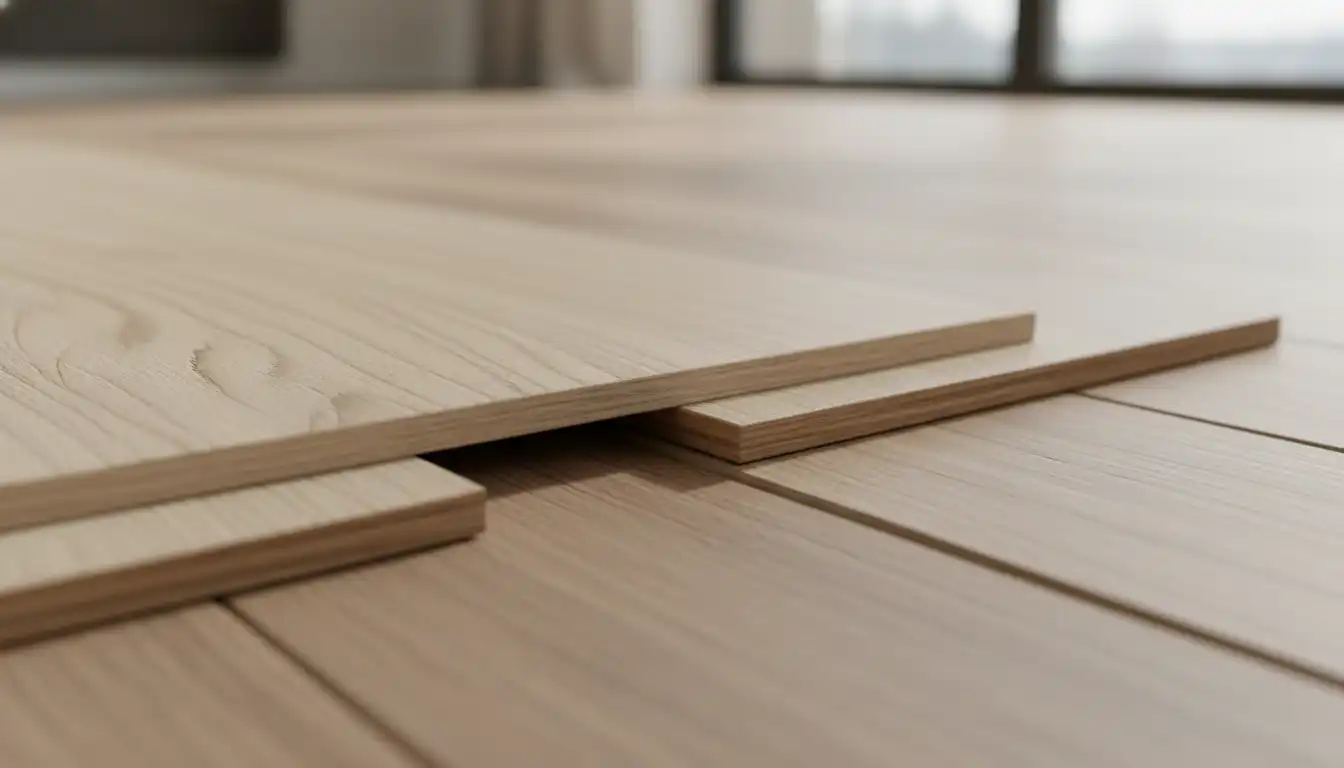
Longevity and Durability: A Realistic Expectation
With proper care, an engineered hardwood floor with a 2mm wear layer can last for 20 to 30 years. Its durability in daily life depends heavily on foot traffic and lifestyle.
For a busy family home with pets and children, diligent maintenance is key. However, for a quieter household, this flooring can maintain its beauty for decades with minimal effort.
How a 2mm Wear Layer Compares to Other Options
Understanding where the 2mm option sits in the market is key to making a confident decision. Thinner and thicker layers serve different purposes and suit different budgets and lifestyles.
Choosing the right thickness is about matching the product’s capabilities to your home’s specific needs. Below is a breakdown to help you compare the most common options.
| Feature | 1mm Wear Layer | 2mm Wear Layer | 3mm Wear Layer | 4mm+ Wear Layer |
|---|---|---|---|---|
| Refinishing Potential | Cannot be sanded | 1-2 times | 2-3 times | 4-5+ times |
| Typical Lifespan | 10-20 years | 20-30 years | 30-50+ years | 40-70+ years |
| Best For | Low-traffic areas, bedrooms, flips | Most residential areas, family homes | High-traffic areas, kitchens, entryways | Luxury homes, commercial use |
| Relative Cost | Economy | Standard | Premium | Luxury |
When to Consider a Thicker (3mm+) Layer
If your floor will be in a high-traffic zone like a kitchen, main hallway, or entryway, investing in a thicker 3mm or 4mm wear layer is a wise decision. This is especially true if you see the flooring as a permanent fixture of your home.
While the upfront cost is higher, the ability to refinish the floor multiple times extends its life dramatically, offering a better long-term return on investment.
The Hidden Factors More Critical Than Thickness
Focusing solely on the wear layer is a common mistake. The overall quality and longevity of your engineered hardwood floor depend just as much on other, less-discussed components.
Ignoring these factors can lead to disappointment, even with a thick wear layer. True durability comes from a combination of high-quality materials working together.
The Unsung Hero: The Factory Finish
The factory-applied finish is your floor’s first line of defense against scratches, spills, and fading. Most modern floors use multiple coats of an aluminum oxide urethane finish, which is incredibly tough.
A high-quality finish on a 2mm plank can easily outperform a poor finish on a 3mm plank in terms of daily wear and tear. Always inquire about the type and number of finish coats when comparing products, as this is a true indicator of quality often overlooked in brand discussions like Earthwerks engineered hardwood reviews.
Core Construction: The Foundation of Stability
The stability of your floor comes from its core. A poorly made core can lead to delamination—where the wear layer peels away—which is a catastrophic failure that cannot be repaired.
Look for floors with a multi-ply Baltic Birch or high-density fiberboard (HDF) core. These materials provide superior dimensional stability, resisting warping and gapping with changes in humidity. Brands known for robust construction, like those found in Casabella hardwood reviews, often emphasize the quality of their core materials.
Wood Species and Hardness Matter
The hardness of the wood species itself plays a massive role in dent and gouge resistance. A hard species like Hickory or Brazilian Cherry with a 2mm wear layer will resist impacts far better than a soft species like Pine or Birch with a 3mm layer.
The Janka hardness scale is the industry standard for measuring this. When choosing your floor, especially if you’re interested in beautiful but durable options like those highlighted in Triangulo flooring reviews, consider the Janka rating alongside the wear layer thickness.
Maximizing the Life of Your 2mm Engineered Floor
Once installed, the longevity of your floor is in your hands. Simple, consistent maintenance habits will preserve its beauty and integrity for years to come.
Proactive care prevents damage before it starts, ensuring your investment remains a point of pride in your home.
Implement a No-Nonsense Cleaning Routine
Regularly sweep or vacuum with a hardwood-safe attachment to remove grit and debris that can act like sandpaper. For deeper cleaning, use a pH-neutral cleaner specifically designed for hardwood floors and a microfiber mop.
Never use a steam mop, excessive water, or all-purpose cleaners, as they can damage the finish and the wood itself.
Strategic Prevention Is Your Best Tool
Place high-quality doormats at all exterior entrances to trap dirt and moisture. Apply felt pads to the bottom of all furniture legs to prevent scratches when items are moved.
If you have pets, keeping their nails trimmed is essential. Understanding the relationship between engineered wood and dogs and taking preventative steps can save you from costly headaches down the road.
Frequently Asked Questions
What is a 2mm wear layer on engineered hardwood?
The wear layer is the top surface of real hardwood on an engineered plank. A 2mm wear layer provides a balance between affordability and durability, making it a popular choice for residential use. This thickness is suitable for areas with light to moderate foot traffic.
How long does engineered hardwood with a 2mm wear layer last?
With proper care and maintenance, engineered hardwood flooring with a 2mm wear layer can last between 20 to 40 years. Factors such as foot traffic and how well the floor is maintained will influence its overall lifespan. Regular cleaning and protecting the surface can help maximize its longevity.
Can you refinish engineered hardwood with a 2mm wear layer?
Yes, you can typically sand and refinish engineered hardwood with a 2mm wear layer, but usually only once or twice. Each refinishing process removes a small amount of the wear layer, so the number of times it can be done is limited compared to thicker layers. It is a process that can refresh the floor’s appearance after signs of wear.
Is a 2mm wear layer suitable for high-traffic areas?
A 2mm wear layer is best suited for rooms with low to moderate foot traffic, such as bedrooms and home offices. For high-traffic areas like hallways, kitchens, or commercial spaces, a thicker wear layer of 3mm or 4mm is generally recommended for enhanced durability.
How does a 2mm wear layer compare to a 3mm or 4mm layer?
The primary differences are in durability, refinishing capacity, and cost. A 2mm wear layer is more budget-friendly but offers limited refinishing options (1-2 times). Floors with 3mm or 4mm wear layers are more durable, can be refinished multiple times, and are better suited for high-traffic areas, though they come at a higher initial cost.
The Final Verdict on 2mm Wear Layers
An engineered hardwood floor with a 2mm wear layer is an excellent and highly practical choice for the vast majority of homes. It provides the authentic beauty of real wood and the ability to be refinished, ensuring a long and beautiful life.
However, remember that the wear layer is just one piece of the puzzle. For a truly durable and lasting floor, you must also consider the quality of the finish, the stability of the core, and the hardness of the wood species. By making an informed decision on all these fronts, you can invest with confidence.
