
2 Story Floor to Ceiling Curtains: The #1 Mistake to Avoid
Soaring two-story ceilings are the ultimate architectural statement. They create an unparalleled sense of space, light, and grandeur. But they also present a colossal design challenge: how do you dress those magnificent, towering windows without creating a costly, dysfunctional mess? The wrong choice in 2 story floor to ceiling curtains can dwarf your room, block precious light, and become a daily operational nightmare. This is the design dilemma that can lead to some serious decorating paralysis.
Many homeowners invest in breathtaking floor-to-ceiling windows only to find themselves stumped. They’re faced with a wall of glass that traditional window treatments simply can’t handle. The result is often exposed, unwelcoming spaces that suffer from glare, heat loss, and a complete lack of privacy. Getting it wrong isn’t just a style misstep; it’s a significant financial and functional blunder.
This guide confronts the monumental task of selecting, installing, and living with two-story curtains. We’ll unveil the critical factors you must consider, from fabric weight to motorization, ensuring your grand windows become the stunning focal point they were meant to be. We’ll explore the hidden pitfalls and provide the expert solutions you need to make the right decision with confidence.
You'll Learn About
The Towering Problem: Why Grand Windows Create Grand Headaches
The very feature that makes two-story rooms so desirable—the height—is what makes dressing their windows so difficult. Standard curtain rods, fabrics, and installation methods are simply not designed for this scale. Homeowners quickly discover a host of problems they never anticipated.
Massive, heavy curtains can be a genuine safety hazard if not installed with specialized, heavy-duty hardware. Furthermore, the sheer weight of the fabric can cause bows and bends in standard curtain rods, leading to a sloppy, unprofessional look. This is a far cry from the elegant, seamless aesthetic you envisioned for your space.
The Overlooked Enemies: Glare, UV Damage, and Energy Loss
A huge wall of glass is an open invitation for relentless sun glare and harmful UV rays. This can fade your expensive furniture, damage hardwood floors, and make watching television or working on a computer nearly impossible during certain times of day. A bare two-story window is like a giant magnifying glass aimed at your valuables. What’s more, these vast panes of glass are a major source of energy inefficiency.
In the winter, they allow precious heat to escape, while in the summer, they bake your interior, sending your cooling costs through the roof. It can even create uncomfortable temperature imbalances, a common issue where it’s hot upstairs but not downstairs . Proper curtains act as a vital layer of insulation, but only if you choose the right material and design.
The Daily Struggle: Functionality and Operation
How do you open and close curtains that are 20 feet tall? This is perhaps the most significant practical challenge. Manual operation with long wands or cords is clumsy, unattractive, and can become a tangled mess. For many, the sheer inconvenience means the curtains are left in one position permanently, defeating their purpose.
This lack of functionality turns a potentially dynamic design element into a static, and often dusty, fixture. The dream of effortlessly controlling light and privacy gives way to a frustrating reality. This is where modern technology offers a game-changing solution.
The Definitive Guide to Selecting Your Two-Story Curtains
Choosing curtains for a two-story space is not just about color and style. It’s a technical decision that requires careful consideration of fabric, hardware, and control mechanisms. Making the right choices from the outset will save you from costly mistakes and long-term frustration.
Your goal is to enhance the room’s height and light, not fight against it. The right curtains should frame the view, control the environment, and add a touch of softness and luxury. Let’s break down the essential components for success.
Fabric Selection: The Critical First Step
The fabric you choose will dictate the look, feel, and function of your curtains. For two-story applications, the weight and composition of the material are paramount. Heavy fabrics like velvet or thick, lined cotton can be incredibly effective for insulation and light blocking, but they require robust, professionally installed hardware to support their immense weight.
Lighter options like sheers, linens, and synthetic blends offer an airy, ethereal look that preserves natural light while still providing a degree of privacy and UV protection. A popular and highly effective strategy is layering: using a sheer curtain for daytime light filtering and a heavier, opaque drape for nighttime privacy and insulation. This dual approach offers the most flexibility.
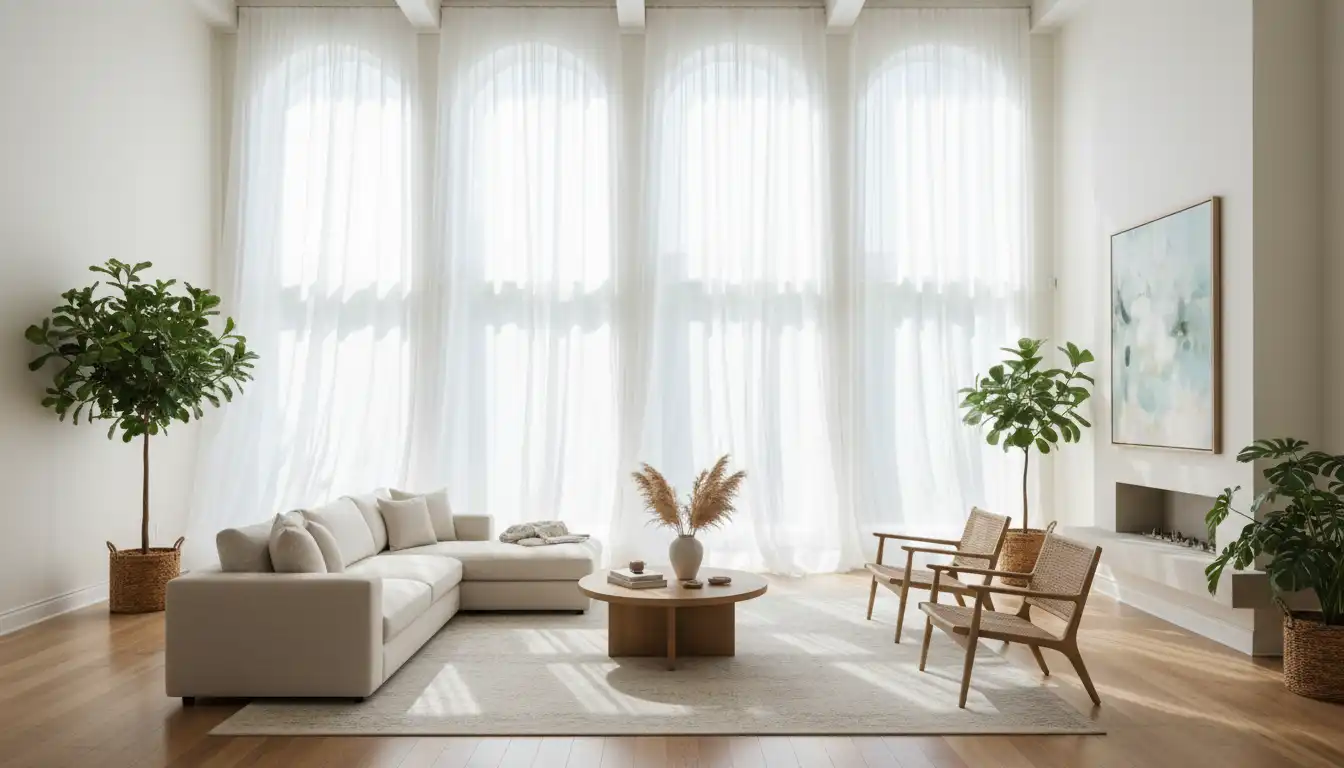
Consider the architecture of your home. A modern, minimalist space might call for crisp, simple panels, while a more traditional home could support a more luxurious, detailed fabric. Regardless of style, ensure the fabric is of high quality and will hang beautifully without wrinkling or stretching over time under its own weight.
The Power of Motorization: The Ultimate Solution
For two-story curtains, motorization is not a luxury; it’s a necessity. The single biggest mistake homeowners make is underestimating the need for an automated system. A motorized track allows you to open and close your massive curtains with the simple touch of a button, a remote control, or even a smart home app on your phone.
Imagine effortlessly closing your curtains to block the afternoon sun or opening them in the morning to flood the room with light, all without leaving your seat. This level of convenience ensures you will actually use your curtains to their full potential. It transforms them from a static decoration into a dynamic, functional part of your home’s ecosystem.
Modern motorized systems are incredibly quiet, reliable, and can be integrated with home automation systems like Google Home or Alexa. You can even schedule them to open and close at specific times of the day, improving your home’s energy efficiency and security. While the initial investment is higher than a manual system, the long-term functionality and convenience are invaluable.
Hardware and Installation: The Unsung Heroes
You cannot use off-the-shelf hardware for 2 story floor to ceiling curtains. The sheer weight and length require a specialized, heavy-duty track system. These tracks are typically made of high-grade aluminum and are engineered to support hundreds of pounds without sagging. Professional installation is non-negotiable.
An experienced installer will ensure the track is securely mounted into the ceiling joists or wall studs, providing the structural support necessary to operate the curtains safely and smoothly. They will also handle the complex task of dressing the curtains, ensuring the pleats are perfect and the fabric hangs correctly from top to bottom. Attempting a DIY installation is a recipe for disaster, potentially leading to property damage or injury.
This isn’t a weekend project. It’s a specialized task akin to a minor renovation. Trying to save money on installation will inevitably lead to much costlier fixes down the road. It’s simply not worth the risk.
Comparing Curtain Control Systems: Manual vs. Motorized
Understanding the fundamental differences between control options is key to making an informed decision. The right choice will depend on your budget, lifestyle, and how you intend to use your window treatments daily. The convenience of modern technology often outweighs the higher initial cost.
Let’s compare the key features of each system in a straightforward way. This will help you visualize the day-to-day experience of living with each option and decide where your priorities lie. This isn’t just about opening and closing drapes; it’s about integrating them seamlessly into your life.
| Feature | Manual Systems (Wands/Cords) | Motorized Systems |
|---|---|---|
| Operation | Clumsy and physically demanding. Requires pulling long, often tangled cords or using a long, awkward wand. | Effortless control via remote, wall switch, smartphone app, or voice command. |
| Convenience | Low. Curtains are often left in one position due to the hassle of operating them. | High. Can be operated from anywhere, scheduled, and integrated into smart home routines. |
| Aesthetics | Visible cords or wands can detract from the clean, elegant look of tall curtains. | Completely concealed mechanism. Provides a seamless, high-end appearance. |
| Safety | Long cords can be a strangulation hazard for children and pets. | Cordless operation is inherently safer for the whole family. |
| Cost | Lower initial investment. | Higher upfront cost, but adds significant value and functionality. |
| Lifespan of Curtains | Manual pulling and tugging can cause wear and tear on the fabric over time. | Smooth, even operation reduces stress on the fabric, potentially extending its life. |
Beyond Curtains: Alternative Solutions for Two-Story Windows
While fabric curtains are a classic and beautiful choice, they aren’t the only option. Depending on your home’s style and your specific needs, other solutions might be a better fit. Exploring these alternatives can open up new design possibilities you may not have considered.
Sometimes, the best solution is a combination of treatments. For instance, you could pair automated roller shades for light control with stationary decorative curtain panels on the sides to soften the look. This hybrid approach can offer the best of both worlds.
Automated Roller Shades and Blinds
For a more modern and minimalist aesthetic, consider automated roller shades or blinds. These can be custom-made to fit even the largest windows and offer clean lines and unobtrusive operation. They are available in a vast array of materials, from light-filtering screens to complete blackout fabrics.
Like motorized curtains, they can be controlled with a remote or smart home system. When fully retracted, they virtually disappear, providing an unobstructed view. This makes them an excellent choice for homes where the view is the main attraction and you don’t want bulky fabric stacks on the sides of your windows.
Architectural Window Film
One of the most underutilized but highly effective solutions is architectural window film. This is a high-tech film applied directly to the glass that can significantly reduce heat gain, block up to 99% of UV rays, and cut down on glare. It’s a “set it and forget it” solution that works 24/7 without any need for operation.
Window film is virtually invisible and won’t change the look of your windows. It’s an excellent standalone solution or can be used in combination with curtains or shades to provide an extra layer of performance. It’s particularly useful for protecting furniture and flooring from sun damage while maintaining a crystal-clear view.
Making the Final Decision: A Worthwhile Investment
Dressing two-story windows is a significant project that requires careful planning and a realistic budget. The key takeaway is to view it not as a mere decoration, but as a long-term investment in your home’s comfort, functionality, and value. The right window treatments will transform your space, making it more beautiful, energy-efficient, and enjoyable to live in.
Don’t be tempted by cheap, off-the-shelf solutions. They are not built for this application and will fail, leading to disappointment and wasted money. Engage with professionals, invest in quality materials, and prioritize a motorized control system for a result that you will appreciate every single day.
Your grand windows are a spectacular feature. By giving them the thoughtful, high-quality treatment they deserve, you will elevate your entire home. It’s a design choice that pays dividends in both style and substance for years to come.
