
2 Part Epoxy for Hardwood Floors: The Secret to an Indestructible, Flawless Finish?
Hardwood floors are synonymous with elegance and timeless beauty. However, they also demand significant care and are vulnerable to everyday wear and tear. Traditional finishes offer a degree of protection, but many homeowners and businesses seek something more robust.
Enter 2 part epoxy for hardwood floors. This advanced coating promises unparalleled durability, chemical resistance, and a striking aesthetic. But is it truly the miracle solution for transforming and protecting your wooden surfaces?
You'll Learn About
Understanding the Allure: Why Consider 2 Part Epoxy for Your Hardwood?
Traditional hardwood floor finishes, such as polyurethane or varnish, offer a protective layer. Yet, they often struggle against heavy foot traffic, moisture, and chemical spills. Scratches, dents, and water damage remain common frustrations for property owners.
This is where the appeal of a 2 part epoxy system emerges. It is designed to create an exceptionally hard, non-porous surface. This protective shield drastically increases the floor’s resilience against the elements that typically degrade wood finishes.
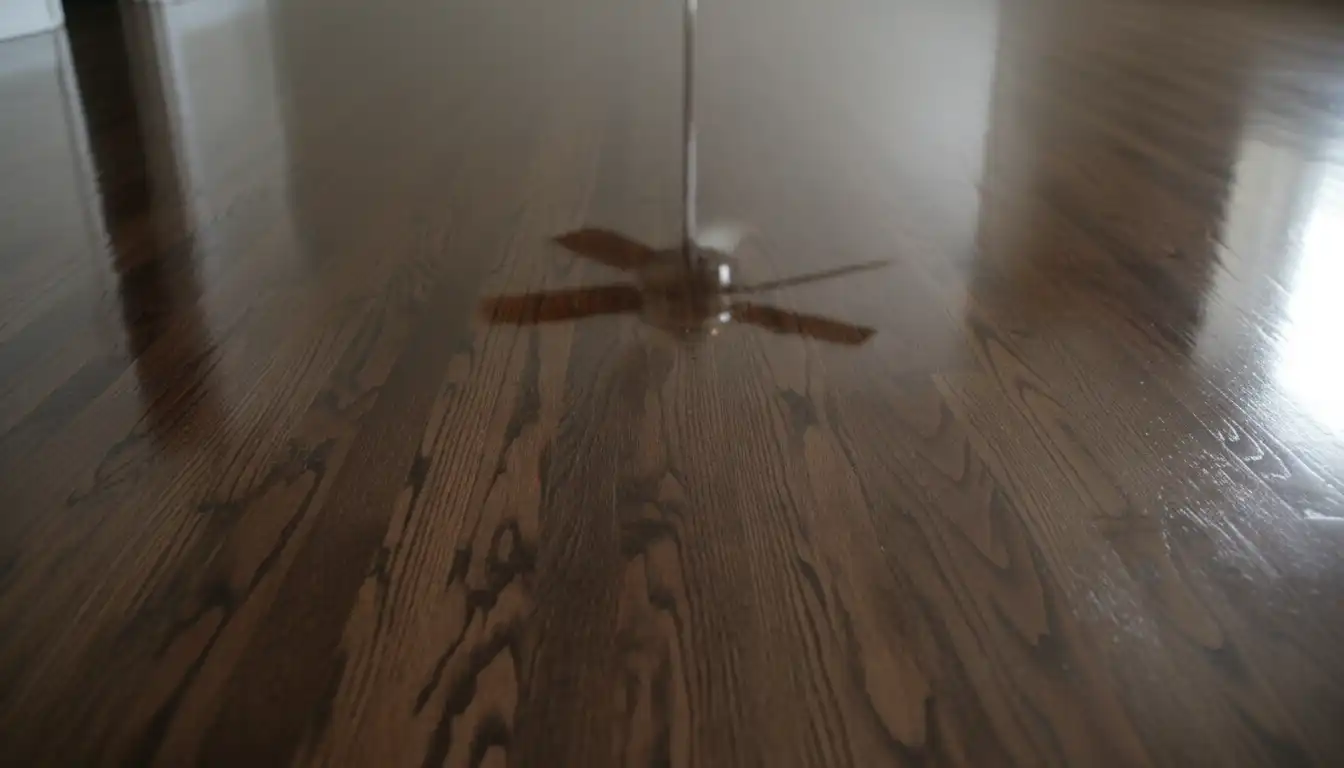
Beyond its protective qualities, epoxy offers a distinct aesthetic advantage. It provides a high-gloss, almost glass-like finish that can elevate the modern appeal of any space. For those seeking a truly unique and resilient flooring solution, epoxy presents a compelling option.
The Core Challenge: Is Epoxy Truly Right for Hardwood?
Applying epoxy to hardwood is a significant decision. Unlike traditional finishes that allow wood to breathe, epoxy creates an impermeable layer. This encapsulation raises concerns about how the wood will react over time.
Wood is a natural material that expands and contracts with changes in temperature and humidity. A rigid epoxy layer may not flex with this natural movement. This can lead to issues like cracking, delamination, or even trapping moisture within the wood itself if the subfloor is not properly prepared.
Another crucial consideration is the permanence of epoxy. Once applied, removing it without damaging the underlying wood is incredibly challenging. This makes it a long-term commitment, potentially limiting future refinishing options compared to easily sandable traditional finishes.
Decoding 2 Part Epoxy: What It Is and How It Works
A 2 part epoxy system consists of a resin and a hardener. These two components are mixed just before application, initiating a chemical reaction. This reaction creates a thermosetting plastic that cures into an incredibly durable, rigid polymer.
For flooring, clear epoxy formulations are typically used over hardwood to showcase the natural grain. While both water-based and solvent-based epoxies exist, solvent-based or 100% solids epoxy often offers superior durability for high-traffic floor applications. Each type has specific application requirements and ventilation needs.
The primary benefits of epoxy include its superior hardness and abrasion resistance. It forms a seamless, non-porous surface that resists water, oils, and many chemicals. This makes it an excellent barrier against spills and everyday wear, significantly extending the life of your hardwood floor.
However, epoxy does have limitations. Some formulations can yellow over time, especially when exposed to direct UV light. The application process itself requires precision and skill, making it a more challenging DIY project than traditional finishing methods.
Preparing for Perfection: The Critical Steps Before Epoxy Application
The success of an epoxy hardwood floor hinges almost entirely on meticulous preparation. Skipping or rushing any step will compromise the final result and the longevity of the coating.
Assessment and Repair
Begin with a thorough inspection of your existing hardwood floor. Look for any loose boards, significant gaps, or areas of damage. All imperfections must be addressed before epoxy application. Repairing dents and ensuring a level surface is vital for a smooth epoxy finish.
A critical, often overlooked step is moisture testing. Use a reliable moisture meter to check the moisture content of your hardwood. High moisture levels in the wood can lead to trapping moisture beneath the epoxy, causing delamination or even mold growth over time. The subfloor itself must also be stable and dry.
Thorough Cleaning and Degreasing
The floor must be impeccably clean. Remove all traces of wax, polish, oils, and old finishes. Chemical degreasers are often necessary to strip away hidden residues that could interfere with epoxy adhesion. Even seemingly invisible contaminants can cause adhesion failures.
Sanding is paramount for creating a mechanical bond for the epoxy. Use a floor sander with appropriate grit sandpaper, typically starting coarser and finishing with a finer grit (e.g., 60-80 grit) to create a consistent profile. Vacuum thoroughly after sanding to remove all dust, then follow with a tack cloth to pick up any fine particles. The surface must be free of even microscopic debris for proper bonding.
The Application Process: Achieving a Flawless Epoxy Hardwood Finish
Applying 2 part epoxy is a time-sensitive process that demands precision and adherence to manufacturer guidelines. Proper technique ensures a durable and aesthetically pleasing result.
Environmental Control
The environment plays a significant role in the curing process. Ensure the room temperature and humidity are within the manufacturer’s recommended range, typically between 60-80°F (15-27°C) with low humidity. Extreme temperatures or humidity can affect curing time, viscosity, and overall finish quality.
Adequate ventilation is non-negotiable, particularly with solvent-based epoxies. Open windows, use fans, and wear appropriate personal protective equipment, including respirators. This protects your health and aids in proper curing.
Mixing the Components
Accurate mixing of the resin and hardener is the single most critical step. Deviating from the manufacturer’s ratios, even slightly, can result in an improperly cured epoxy that remains tacky or soft. Use precise measuring tools, ideally by weight for maximum accuracy, and mix thoroughly for the specified duration. Scrape the sides and bottom of the mixing container to ensure all components are fully integrated.
Understand the ‘pot life’ of the epoxy. This is the amount of time you have to work with the mixed product before it begins to cure in the bucket. Prepare small batches if necessary to avoid exceeding the pot life and wasting material.
Priming the Surface
A high-quality epoxy primer designed for wood applications is essential. The primer enhances adhesion, seals the porous wood, and prevents the topcoats from soaking in unevenly. This creates a uniform base for the subsequent epoxy layers, helping achieve a consistent, flawless finish. Apply the primer evenly, ensuring full coverage without puddling.
Applying the Epoxy Coats
Once the primer has cured according to manufacturer instructions, it’s time for the epoxy topcoats. Use a high-quality roller specifically designed for epoxy, typically a short-nap roller, or a squeegee for spreading, followed by back-rolling. Apply thin, even coats to avoid pooling or uneven curing.
Work in small sections, maintaining a wet edge to prevent lap lines. For a truly seamless and professional look, apply the epoxy in a consistent direction, using a specific back-rolling technique that minimizes visible roller marks, especially important over the natural wood grain. Observe the manufacturer’s recoat windows; applying a new coat too early or too late can compromise adhesion between layers. Multiple thin coats generally outperform a single thick coat in terms of durability and finish quality.
Curing and Ventilation
Allow the epoxy to cure fully. While some epoxies are walkable within 24-48 hours, they typically require 5-7 days for a full, hard cure. Avoid placing heavy furniture or exposing the floor to moisture until the full cure time has passed. Maintain good ventilation throughout the curing process to help dissipate any remaining fumes and ensure proper hardening.
Beyond Application: Maintenance and Longevity of Epoxy Hardwood
Once your epoxy hardwood floor is cured, its inherent durability simplifies maintenance. However, understanding proper care will maximize its lifespan and keep it looking pristine.
Daily Care
Regular cleaning is straightforward. Sweep or vacuum frequently to remove dirt and abrasive particles that can scratch the surface over time. For spills, wipe them up immediately. For general cleaning, use a mild, pH-neutral cleaner specifically designed for epoxy floors. Harsh chemicals, abrasive cleaners, or scrub brushes can dull the finish or cause damage. Just like maintaining stone countertops, gentle cleaning agents are key to preserving the surface integrity.
Protect your epoxy floor from potential damage by placing felt pads under furniture legs. Use area rugs in high-traffic zones or underneath office chairs to provide an extra layer of protection against concentrated wear and minor impacts.
Addressing Future Issues
Should minor scratches or dullness occur over time, spot repairs are possible. For very light surface scratches, some specialized epoxy refreshers or polishes can help restore the sheen. Deeper scratches might require light sanding of the affected area and application of a new, thin epoxy topcoat. This localized repair saves the effort and cost of recoating the entire floor.
If significant wear or damage necessitates a full re-coating, the process involves thorough cleaning and light sanding of the existing epoxy layer to create a mechanical bond. Then, new epoxy coats are applied. For maintaining a consistently vibrant surface, periodically assessing the floor for minor wear and addressing it proactively is more effective than waiting for extensive damage.
The Real Cost and Time Investment of Epoxy Hardwood Floors
Opting for a 2 part epoxy floor involves both financial and time commitments that extend beyond traditional finishes. Understanding these factors helps in planning your project accurately.
Material costs include the epoxy resin and hardener, primer, and any necessary additives like UV stabilizers. High-quality, 100% solids epoxy can be significantly more expensive per square foot than standard polyurethane. Don’t forget the cost of specialized application tools, such as specific rollers, squeegees, mixing buckets, and safety equipment like respirators.
Labor costs vary dramatically. A DIY installation can save thousands, but demands significant time, research, and attention to detail. Professional installation, while more costly, ensures expert application and often comes with guarantees. The complexity of the preparation and application makes it a project where professional expertise truly pays off.
The time commitment is substantial. Preparation alone, including repairs, sanding, and cleaning, can take several days. The actual application involves priming, multiple coats of epoxy, and significant curing time between layers and for the final hardening. Factor in at least a week where the area cannot be used, and possibly longer for full cure before heavy use.
Common Pitfalls and How to Avoid Them
While epoxy offers incredible benefits, several common mistakes can lead to disappointing results. Awareness and prevention are key to a successful project.
Inadequate preparation is by far the leading cause of epoxy failure. Any remaining dirt, oil, wax, or moisture on the hardwood surface will prevent proper adhesion, leading to peeling, bubbling, or delamination. Thorough cleaning, sanding, and moisture testing are non-negotiable steps.
Improper mixing results in soft spots, uneven curing, or an epoxy that never fully hardens. Always adhere strictly to the manufacturer’s mixing ratios and times. Use accurate measuring tools and mix diligently, scraping the sides and bottom of the container.
Environmental factors during application can cause various issues. High humidity can lead to blushing or amine blush, a milky film on the surface. Extreme temperatures can affect pot life and curing time, causing bubbles or poor flow. Ensure optimal temperature and humidity control in your workspace.
Skipping safety precautions is a serious error. Epoxies and their solvents can emit strong fumes. Always work in a well-ventilated area and wear appropriate personal protective equipment, including gloves, eye protection, and a respirator rated for organic vapors. Overlooking subfloor stability, where minor shifts in the underlying structure might eventually stress the rigid epoxy layer, is a less obvious pitfall. While epoxy offers a durable surface, it relies on a completely stable base.
When to Consider Alternatives (and When Epoxy Shines)
Epoxy isn’t the universal answer for every hardwood floor. For historical homes where preserving the natural feel and breathability of original wood is paramount, traditional oil or water-based finishes might be more appropriate. If you enjoy changing your floor’s stain color frequently, epoxy’s permanence will be a limitation.
However, epoxy truly shines in specific scenarios. It is an exceptional choice for high-traffic commercial spaces, retail environments, or workshops where floors endure constant abuse, heavy machinery, or frequent spills. Basements with hardwood floors, where moisture concerns are higher, can also benefit from epoxy’s superior moisture resistance, creating a robust barrier.
For residential spaces, epoxy is ideal in kitchens, utility rooms, or even garages with hardwood where unmatched durability, ease of cleaning, and chemical resistance are top priorities. It offers a modern, high-performance solution that goes far beyond what traditional wood finishes can provide.
| Feature | 2 Part Epoxy Hardwood Finish | Traditional Polyurethane Finish |
|---|---|---|
| Durability | Exceptional; highly resistant to abrasion and impact. | Good; provides protection, but susceptible to dents and scratches. |
| Water Resistance | Excellent; creates a seamless, impermeable barrier. | Good; offers resistance, but can be damaged by standing water. |
| Scratch Resistance | Superior; very hard surface, resists scratches well. | Moderate; can scratch and scuff with heavy use. |
| Appearance | High-gloss, modern, often glass-like finish. Can be customized with pigments. | Varies from matte to gloss; enhances natural wood grain. |
| Application Difficulty | High; requires precise mixing, strict environmental control, and skilled technique. | Moderate; requires sanding and multiple coats, but more forgiving. |
| Cost (Materials) | Higher; specialized materials and primers. | Lower; readily available and less costly per square foot. |
| Reversibility | Extremely difficult to remove without damaging wood; highly permanent. | Can be sanded and refinished; less permanent. |
| UV Stability | Varies by product; some can yellow with prolonged UV exposure. | Generally good, but some oil-based polyurethanes can amber over time. |
Embracing 2 part epoxy for your hardwood floors is a commitment to unmatched protection and a striking aesthetic. While the preparation and application demand meticulous attention, the resulting surface offers unparalleled durability against wear, moisture, and chemicals.
By understanding the process, respecting the material, and committing to proper execution, you can transform your hardwood into an almost indestructible, flawlessly finished surface. This investment yields a floor that stands up to the toughest challenges, delivering beauty and performance for decades to come.
