1950s Knotty Pine Paneling: Your Guide to a Flawless Modern Update
Walking into a room covered in 1950s knotty pine paneling can feel like stepping back in time. For many homeowners, this classic feature presents a significant design challenge. The core problem is how to modernize this distinct, often overwhelming, wood finish without losing the home’s character or investing in a costly and messy removal.
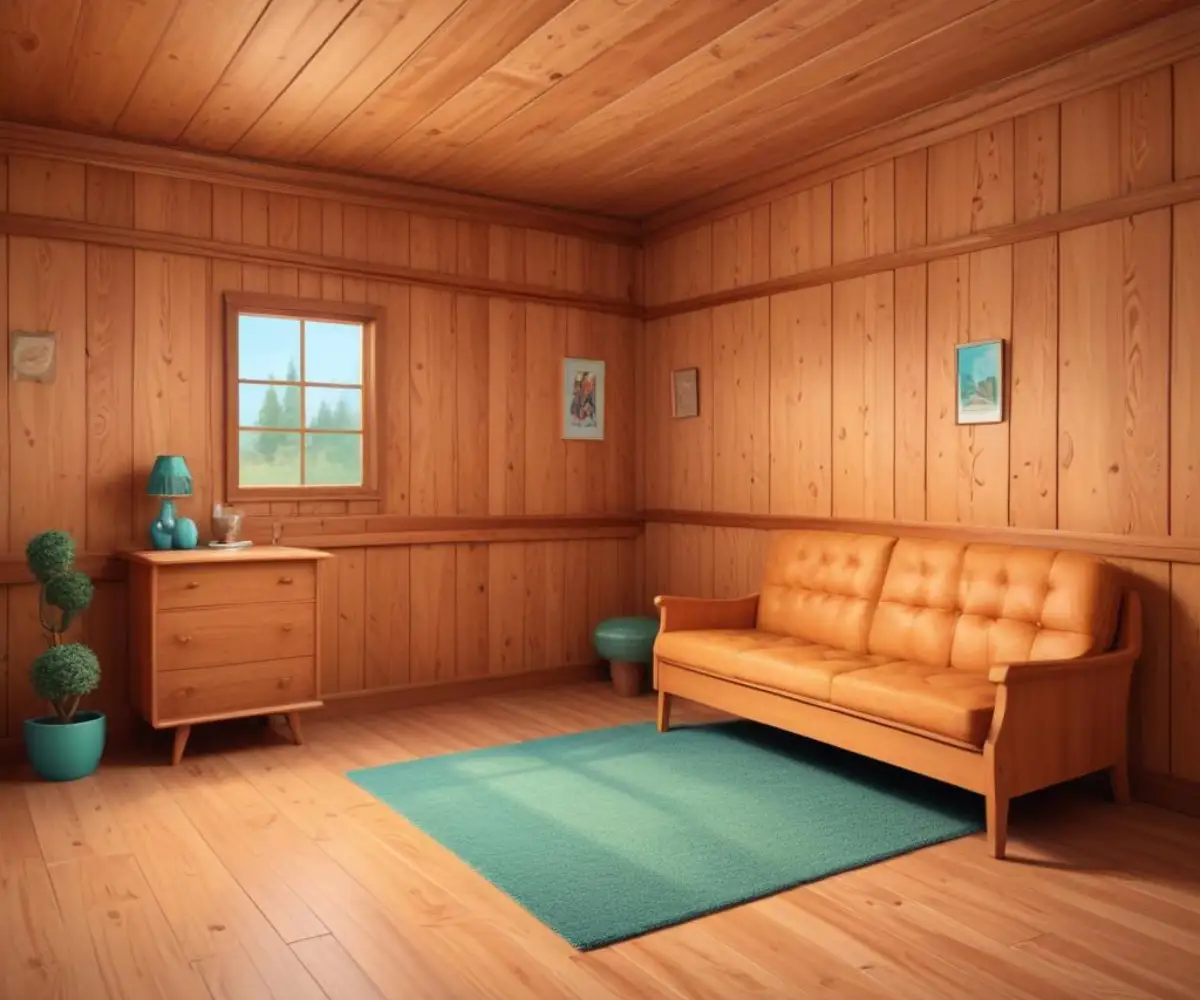
This golden-orange, knot-flecked wood was a hallmark of mid-century design, chosen for its affordability and cozy, rustic appeal. Today, that same paneling can make a room feel dark, dated, and small. You’re left wondering: Do you embrace it, cover it up, or tear it out completely? The good news is you have more options than you think.
You'll Learn About
The Great Debate: Preserve, Paint, or Remove?
Before making any decisions, the first step is a thorough assessment of the paneling itself. Understanding its condition and construction is crucial. This will heavily influence whether you should aim to restore its original charm or opt for a more transformative solution.
Evaluating the Condition of Your Paneling
Start with a close inspection of the walls. Look for signs of water damage, such as dark stains, warping, or a soft, spongy texture. Check for any pest-related damage like small holes or tunnels, which could indicate a bigger issue behind the walls.
Also, consider the quality. Is it solid tongue-and-groove planks, a desirable and durable feature, or thin veneer sheets that might not be worth saving? Press gently on the panels to check for looseness, which could signal failing adhesive or nails.
When Removal Is the Best Option
Sometimes, removal is the most practical choice. If the paneling is severely damaged by moisture or pests, covering it up will only hide the problem. Similarly, if the panels are a low-quality veneer that is peeling or chipped, replacement is often more effective than repair.
Keep in mind that removing paneling can be a significant undertaking. It was often installed with strong adhesives, meaning you could be facing drywall repair underneath. In some older homes, the paneling was installed directly onto the wall studs, so removal would necessitate a full drywall installation. The average cost to remove wood paneling can range from $500 to $2,500, depending on the room size and complexity.
Transformative Solutions That Don’t Require Demolition
If your paneling is in good shape, you have a fantastic opportunity to update it. Modernizing knotty pine is about balancing its rustic warmth with contemporary style. Whether you choose to work with the wood grain or cover it completely, the results can be stunning.
The Power of Paint: A Bright and Modern Makeover
Painting is the most popular and impactful way to update knotty pine. A fresh coat of paint can instantly brighten a dark room and neutralize the busy wood grain, allowing your furniture and decor to stand out. However, proper preparation is the absolute key to a professional, lasting finish.
First, thoroughly clean the walls with a degreasing cleaner to remove decades of dust and grime. Next, lightly sand the surface to scuff up the old varnish, which helps the primer adhere. The most critical step is using a high-quality, stain-blocking primer. Oil-based or shellac-based primers are excellent for preventing the wood tannins and knots from bleeding through your topcoat.
For paint colors, crisp whites and soft off-whites are classic choices that create a clean, airy feel. Light grays or muted blues and greens can also balance the warmth of any remaining wood tones in the room. For a bolder statement, consider a deep navy or emerald green on an accent wall.
Whitewashing: A Subtle, Rustic-Chic Alternative
If you like the wood grain but want to tone down the orange hue, whitewashing is a perfect compromise. This technique involves applying a thinned-out white paint, which allows the natural texture and knots of the pine to show through. The result is a softer, brighter look that leans into a coastal or Scandinavian aesthetic.
To whitewash, you create a wash by mixing latex paint with water (a 1:1 ratio is a good starting point). Apply the mixture in small sections with a brush or rag, and then immediately wipe off the excess with a clean, dry cloth. The more you wipe away, the more the wood grain will show.
Staining: A Richer, More Sophisticated Finish
For those who love the look of wood but dislike the specific honey-gold of aged pine, refinishing with a new stain is an elegant option. This is the most labor-intensive approach, as it requires sanding the old finish down to the bare wood. However, the payoff is a completely customized and high-end look.
Modern stain colors like dark walnut, charcoal gray, or even an ebony finish can dramatically change the room’s atmosphere. A darker stain can make the paneling feel more intentional and luxurious. Always test your stain on a small, inconspicuous area first to see how the pine absorbs the color.
| Modernization Method | Best For | Labor Intensity | Key Benefit |
|---|---|---|---|
| Solid Paint | Covering imperfections and completely changing the color scheme. | Medium | Maximum brightness and a clean, contemporary look. |
| Whitewash/Pickling | Toning down the orange/yellow hue while preserving wood grain. | Medium | Achieves a soft, airy, and rustic-chic aesthetic. |
| New Stain | Homeowners who love wood but want a different color tone. | High | Creates a rich, customized, and sophisticated finish. |
| Styling & Decor | Preserving the paneling’s original vintage character. | Low | Cost-effective and reversible; celebrates mid-century style. |
Styling a Room with Original Knotty Pine
Perhaps you’ve decided to embrace the vintage charm of your knotty pine. The right decor can make these walls feel cozy and intentional rather than dated. The key is to create contrast and balance to prevent the wood from overwhelming the space.
Lighting is Everything
Knotty pine absorbs light, so brightening the room is your top priority. Layer your lighting with multiple sources. Start with a strong overhead fixture, then add floor lamps, table lamps, and even wall sconces. This ensures light is distributed evenly and eliminates dark corners.
Choose light fixtures with modern silhouettes and metallic finishes like matte black or brass to contrast with the rustic wood. Using bulbs with a cooler temperature can also help neutralize the warm, yellow tones of the pine.
Furnishings and Textiles
Select furniture with clean lines and a lighter color palette. Whites, creams, grays, and blues create a beautiful contrast against the warm wood. Avoid heavy, dark, or overly ornate wooden furniture, which can make the room feel cluttered and heavy.
Use textiles to soften the room. A large, light-colored area rug will break up the wood-on-wood look if you have hardwood floors. Sheer or light-colored curtains will maximize natural light, while plush throws and pillows in contrasting textures add comfort and visual interest. Complementing the wood with fresh botanicals, such as those found in gardens combining dahlias and roses, can further soften the room’s ambiance.
Beyond the Surface: What Lurks Behind the Panels?
When dealing with a feature from the 1950s, it’s wise to consider what you can’t see. The space behind the paneling can hide issues like outdated wiring, a lack of insulation, or even moisture problems. Addressing these hidden elements is a crucial part of a truly comprehensive update.
Insulation and Energy Efficiency
Homes from the mid-century era were often built with little to no wall insulation. If you have an exterior wall with knotty pine, it might be worth removing a small, accessible section to check the status of your insulation. Upgrading it can significantly improve your home’s energy efficiency and comfort.
This kind of project requires careful consideration of the underlying systems. It’s similar to how one must evaluate the cost to install HVAC in a basement, as both involve looking past the finished surfaces to the home’s essential infrastructure.
Electrical and Safety Concerns
Outdated wiring can be a serious fire hazard. If you are planning any work that involves opening the walls, it’s the perfect time to have an electrician inspect the wiring. They can ensure the outlets are properly grounded and that the system can handle the demands of modern electronics.
Controlling moisture is also key to preserving the wood and the integrity of your home. This concern for foundational quality is not unlike homeowners asking ‘is Puronics worth it‘ when thinking about long-term solutions for their home’s water systems. Ensuring the structure is sound and safe provides peace of mind for any cosmetic updates you make.
The DIY vs. Professional Decision
Deciding whether to tackle your knotty pine project yourself or hire a professional depends on the scope of the work and your skill level. Simple cleaning and some styling updates are easily managed by most homeowners.
A DIY paint job is achievable, but it requires patience and meticulous prep work. If you rush the cleaning, sanding, or priming steps, the finish will likely fail. For more complex tasks like refinishing, stain application, or panel removal, hiring a professional painter or contractor is often the best investment to ensure a high-quality, durable result.
Ultimately, 1950s knotty pine paneling is not a design flaw but a feature with untapped potential. Whether you choose to paint it, stain it, or style around it, a thoughtful approach can transform this mid-century relic into a stunning and integrated part of your modern home.