1950s Chest Freezer: Is This Vintage Icon a Smart Buy?
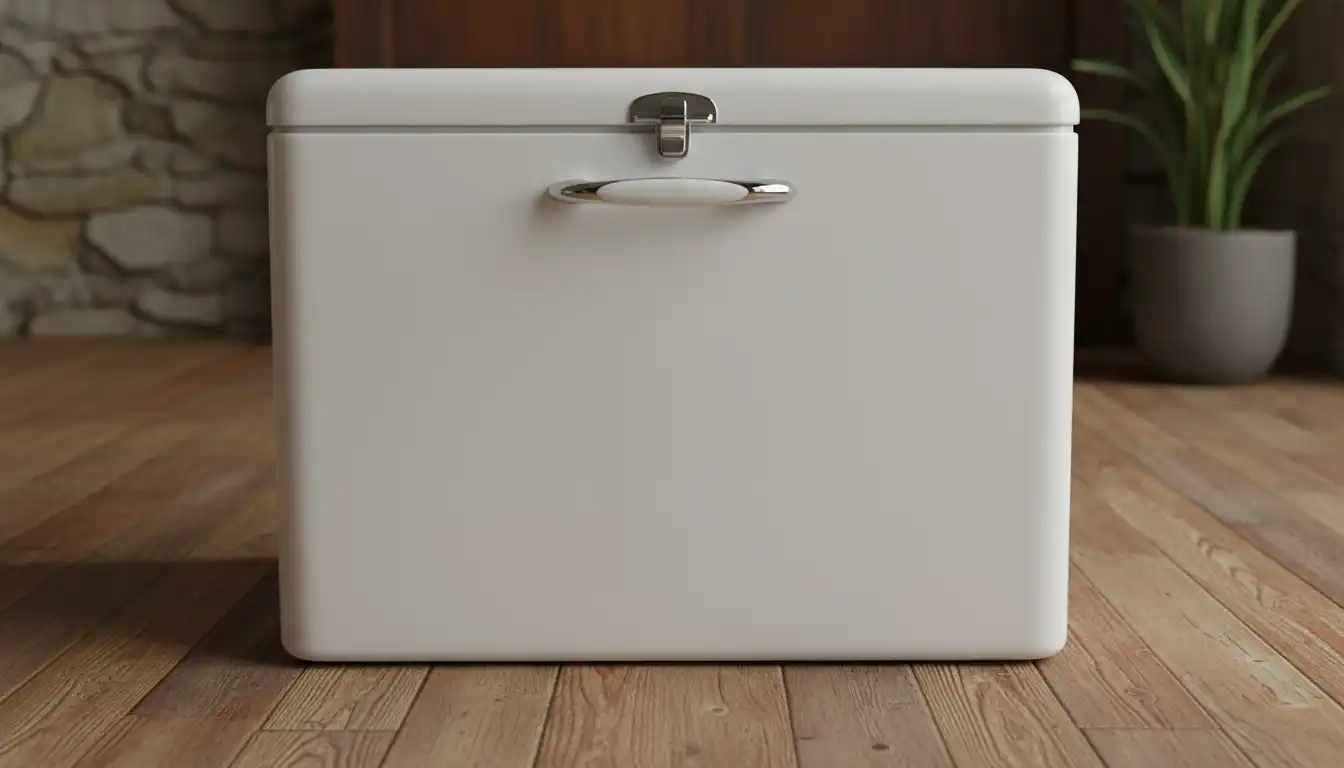
A 1950s chest freezer, with its gleaming enamel and robust chrome latch, represents more than just an appliance. It’s a symbol of post-war prosperity and engineering designed to last a lifetime. Many homeowners are drawn to the nostalgic charm and legendary durability of these vintage pieces, wondering if one could be a practical addition to their modern home.
The allure is understandable; these freezers were often built with thicker insulation and more robust compressors than many contemporary models. However, the dream of owning a piece of history can quickly turn into a costly problem if you’re not prepared. The key challenges lie in energy consumption, reliability of aging parts, and ensuring it’s safe for food storage.
You'll Learn About
The Hidden Headaches: Why Your Vintage Freezer Is Costing You
While the initial purchase price of a 1950s chest freezer might be appealingly low, the long-term operational costs and potential for failure can be significant. Understanding these drawbacks is crucial before committing to this vintage appliance. It’s a balance between timeless style and modern practicality.
The Shocking Truth About Energy Consumption
Let’s address the biggest issue first: a 1950s chest freezer is an energy hog. Decades before ENERGY STAR ratings, these appliances were built for performance without regard for electricity usage. Compressors and insulation technology from that era were far less advanced, meaning the freezer must run longer and harder to maintain its temperature.
This inefficiency can translate to a noticeable increase in your monthly electricity bill. While a new, energy-efficient chest freezer might cost a few hundred dollars a year to run, a vintage model could easily cost double or even triple that amount, quickly erasing any initial savings from a low purchase price.
Reliability Roulette: When “Built Like a Tank” Breaks Down
The phrase “they don’t make them like they used to” is often true for 1950s appliances, which were mechanically simple and built with heavy-gauge steel. However, even the most durable machines have components that wear out over 70+ years. The compressor, thermostat, and wiring are all potential points of failure.
Finding replacement parts for these specific models can be a significant challenge, often requiring searches through specialty suppliers or salvage yards. Furthermore, finding a technician experienced in repairing vintage refrigeration systems is becoming increasingly rare. A breakdown could leave you with a difficult-to-repair appliance and a lot of spoiled food.
Food Safety Risks in an Analog Appliance
Modern freezers offer precise digital temperature controls and alarms, features that are absent in their 1950s counterparts. The primary food safety concern with a vintage freezer is the integrity of the door seal or gasket. Over decades, these rubber or vinyl seals can become brittle, cracked, or deformed, allowing cold air to escape and warm air to enter.
A poor seal not only forces the compressor to work overtime, increasing energy costs, but it can also lead to dangerous temperature fluctuations. This can compromise the quality and safety of your stored food. Without a reliable way to monitor the internal temperature, you might not know there’s a problem until it’s too late.
The Ultimate Restoration Blueprint: From Relic to Reliable
Despite the challenges, it is possible to transform a 1950s chest freezer from a potential liability into a functional and stylish centerpiece. By focusing on inspection, efficiency upgrades, and cosmetic refinishing, you can enjoy the vintage aesthetic without the vintage headaches. This process requires careful planning and attention to detail.
Step 1: Your Pre-Purchase Inspection Checklist
Before you even think about bringing a vintage freezer home, a thorough inspection is non-negotiable. Test the gasket seal thoroughly. A simple way to do this is to close the lid on a dollar bill; if you can pull the bill out easily, the seal is weak and will need to be replaced. Look for any visible cracks or brittleness.
Plug the unit in and listen to the compressor. It should hum quietly and consistently when running. Loud clanking, grinding, or rattling noises are major red flags. Also, check the interior and exterior for significant rust, especially around the base and hinges, and inspect the power cord for any fraying or damage.
Step 2: Taming the Energy Beast – Modern Efficiency Hacks
The single most effective upgrade you can make is replacing the old, worn-out gasket. Custom gaskets can be ordered from specialty appliance parts suppliers online. This step alone will drastically improve the freezer’s ability to hold its temperature and reduce the load on the compressor.
For more advanced users, adding a modern external temperature controller can bypass an aging or inaccurate internal thermostat. These devices plug into the wall, and the freezer plugs into them, allowing you to set a precise temperature and control the compressor’s cycles more efficiently. For any complex electrical work, it’s always wise to consult a professional, as an experienced electrician can ensure the wiring is safe and up to code.
Step 3: A Fresh Face – The Art of Cosmetic Refinishing
A cosmetic restoration can make your vintage freezer a true showpiece. If the exterior has rust, it must be sanded down to the bare metal. Start with a coarse-grit sandpaper and move to a finer grit for a smooth finish. After sanding, clean the surface thoroughly and apply a rusty-metal primer.
When it comes to the top coat, using a quality appliance epoxy paint is crucial for a durable, factory-like finish. When considering your options, looking into a comparison of Behr vs Valspar cabinet paint can provide insights into durable enamel finishes suitable for appliances. Apply thin, even coats, allowing adequate drying time between each to prevent drips and ensure a hard, long-lasting surface.
Step 4: Ensuring Rock-Solid Performance and Safety
To ensure your food stays safely frozen, invest in a reliable digital freezer thermometer with an external display. This allows you to monitor the internal temperature without opening the lid. The ideal temperature for a chest freezer is 0°F (-18°C).
Regular maintenance includes cleaning the interior and ensuring the exterior is free of dust and debris that could obstruct airflow if the condenser coils are exposed. Manual defrosting will be necessary. When ice buildup reaches about a quarter-inch thick, unplug the unit, remove the contents, and allow the ice to melt naturally to avoid damaging the interior lining.
Comparison: 1950s Relic vs. 2026 Energy Star Champion
Understanding the key differences between a vintage model and a modern one is essential for making an informed decision. The table below breaks down the most important factors, from long-term running costs to expected lifespan and repairability.
| Feature | 1950s Chest Freezer | Modern ENERGY STAR Chest Freezer |
|---|---|---|
| Estimated Annual Energy Cost | High ($150 – $300+) | Low ($30 – $60) |
| Upfront Cost | Low (often free or under $100) | Moderate ($250 – $700+) |
| Average Lifespan | Extremely Long (50+ years, if maintained) | Moderate (10 – 15 years) |
| Repairability | Difficult (parts are rare) | Easy (parts are readily available) |
| Key Features | Durable construction, large capacity, simple mechanics | High efficiency, digital controls, frost-free options, alarms |
| Aesthetic | Vintage, retro, iconic design | Modern, functional, utilitarian |
Beyond a Freezer: Creative Ways to Repurpose Your Vintage Gem
If the mechanical components of a 1950s freezer are beyond repair, its robust, insulated body can be repurposed in numerous creative ways. Its iconic style can find a new life in your home or garden, moving beyond simple cold storage.
One popular idea is converting it into a unique outdoor cooler or beverage station for parties. You can also transform it into a vermin-proof storage chest for animal feed or gardening supplies. For a more ambitious project, some homeowners have converted them into stylish sideboards or kitchen islands by adding a custom top. Exploring durable materials like honed granite vs soapstone can result in a beautiful and highly functional new piece of furniture.
The Final Verdict: Is a 1950s Chest Freezer Right for Your Home?
A 1950s chest freezer can be a wonderful addition to a home, but it is not a plug-and-play appliance for the average consumer. It is best suited for the enthusiast who appreciates its history and is willing to invest the time and money into a proper restoration. If you are prepared to address the challenges of energy efficiency and potential repairs, you will be rewarded with a unique and incredibly durable appliance.
For those who simply need reliable, efficient, and low-maintenance food storage, a modern ENERGY STAR-rated chest freezer is the more practical and economical choice. Ultimately, the decision comes down to whether you are looking for a simple appliance or a rewarding home and garden project.