
14 Foot Countertop: The #1 Secret to a Flawless, Seamless Look
The grand kitchen island or the long, uninterrupted countertop is a showpiece in modern home design. It represents an expansive, luxurious space for cooking, entertaining, and family gatherings. Many homeowners dream of this clean, monolithic look, setting their sights on an impressive 14-foot countertop.
But this specific dimension presents a monumental challenge that is often underestimated. A 14-foot span, or 168 inches, goes far beyond the standard size of almost every countertop material available, turning a design dream into a potential logistical and aesthetic nightmare.
You'll Learn About
Why Your Dream 14-Foot Countertop Is a Major Challenge
The primary obstacle is the raw size of the material. Most natural stone and quartz slabs are quarried or manufactured in sizes that are significantly shorter than 14 feet. This single fact is the source of nearly every problem that follows.
Standard “jumbo” slabs typically top out around 120-130 inches. While this is often sufficient for creating a generous island, and presents its own set of challenges as seen with a 12-foot quartz slab, the leap to 14 feet is not incremental. It requires a completely different approach to material sourcing, fabrication, and installation.
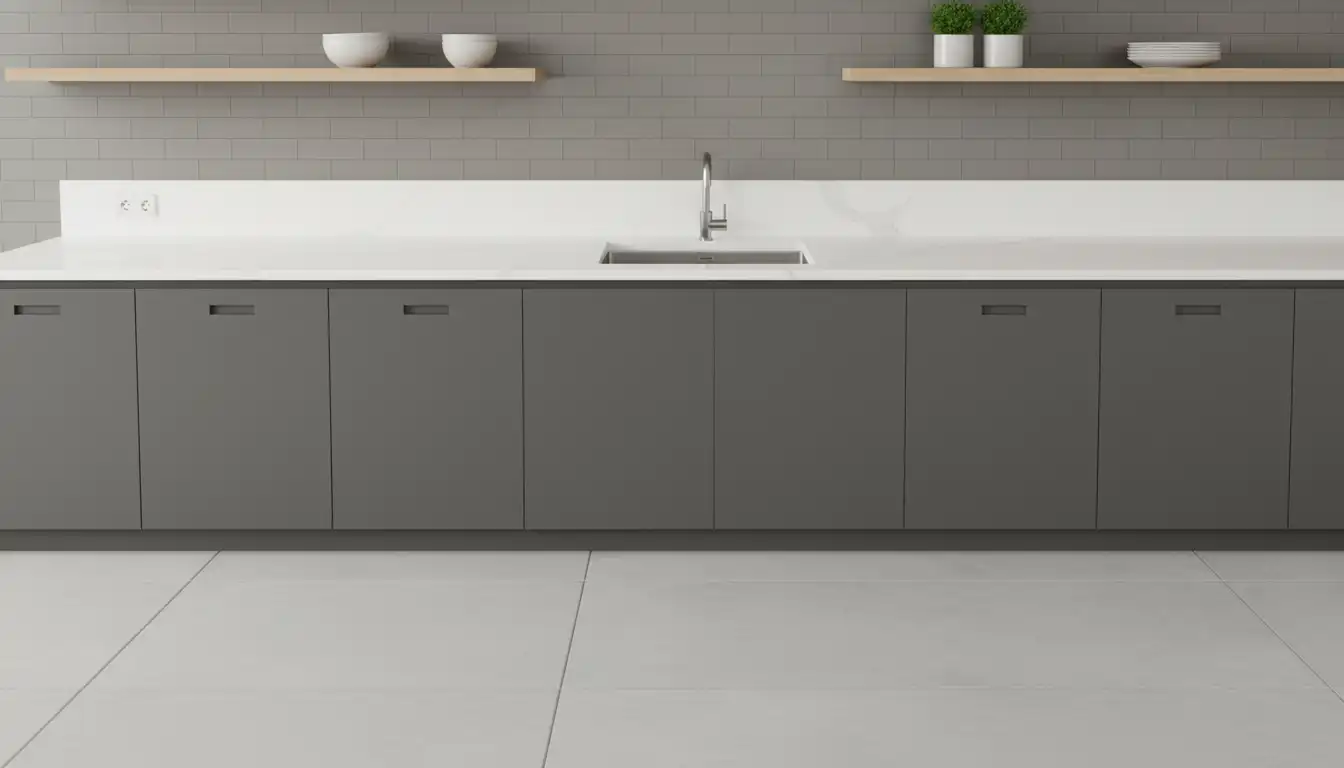
The Inevitable Seam Problem
Because most materials are not long enough, a seam becomes almost unavoidable. A poorly executed seam is a glaring flaw that draws the eye, cheapens the look of expensive material, and can collect dirt and grime over time. It visually bisects the beautiful, long lines you were trying to achieve.
The goal then shifts from avoiding a seam to making it so perfectly invisible that it disappears. This requires a level of artistry and technical skill that not all fabricators possess.
Weight, Structure, and Safety
A 14-foot slab of 3cm quartz or granite can easily weigh over 1,000 pounds. This incredible weight places immense stress not just on your cabinets, but on the very floor of your home. Without proper planning, this can lead to sagging countertops, cracked cabinets, or even structural damage to your floor joists.
This is not just an installation detail; it’s a structural engineering issue. The integrity of your home must be considered before a slab of this magnitude is even brought through the door.
Material Matters: Choosing the Right Surface for a 14-Foot Span
Your choice of material is the most critical decision in this process. Some materials offer a chance at a seamless finish, while others guarantee a seam but provide other benefits. Understanding the difference is key to a successful outcome.
The Best Bets for Seamless Spans: Engineered Stone
Engineered products offer the most reliable path to achieving a 14-foot countertop, though it still requires careful selection. Manufacturers have responded to the demand for larger surfaces by creating “super jumbo” slabs.
Quartz manufacturers like Caesarstone or Cambria sometimes produce slabs that can reach or even exceed 160 inches in length, but these are specialty products. They come in limited colors and carry a significant price premium. When evaluating options, remember that the price per square foot for quartz can increase substantially for these rare, oversized formats.
Porcelain slabs are another strong contender. They can be manufactured in very large sizes and offer incredible durability against heat and stains. However, they are thinner and can be more prone to chipping on the edges if not handled by a highly experienced professional.
Natural Stone: A High-Stakes Treasure Hunt
For those who love the unique, one-of-a-kind beauty of natural stone, achieving a 14-foot seamless piece is exceptionally difficult. It involves finding a massive, rare block of stone at the quarry that can be cut to the required length.
Finding a slab of granite or quartzite this large is possible but highly improbable and comes with a very high price tag. You will be limited to what is available on the global market at any given time, making it a true treasure hunt.
Truly Seamless Alternatives: Poured & Fabricated Materials
If a seam is absolutely unacceptable, you may need to look beyond traditional slab materials. Poured concrete countertops are created on-site, allowing them to be formed to any length without a single seam. This offers an industrial, modern aesthetic but requires specialized artisans and regular sealing to prevent stains.
Stainless steel and solid surface (like Corian) can also be fabricated to create a seamless surface. Solid surface materials, in particular, can be fused together with solvent, and the seam can be sanded down to become completely invisible to the eye and touch.
* Estimated total costs for a 14-foot (approx. 35 sq. ft.) countertop installed:
| Material | Max Typical Length | Seamless at 14ft? | Cost | Primary Advantage |
|---|---|---|---|---|
| Standard Quartz | 120 inches | No | $2,450 – $5,250 | Wide variety of colors |
| Super Jumbo Quartz | 130-160+ inches | Possible | $3,500 – $7,000 | Best chance for a seamless stone look |
| Porcelain | 126+ inches | Possible | $1,750 – $4,200 | Excellent heat and stain resistance |
| Granite/Quartzite | 130 inches (rarely larger) | Very Unlikely | $2,100 – $7,000+ | Unique natural beauty |
| Poured Concrete | Unlimited | Yes | $2,600 – $5,250 | Truly seamless and customizable |
| Solid Surface (Corian) | Unlimited (fused) | Yes | $1,750 – $3,150 | Invisible seams and repairable surface |
The Art of the Invisible Seam: When You Can’t Go Seamless
If a single slab isn’t feasible, the focus must shift to mastering the seam. An expertly crafted seam can be nearly imperceptible, preserving the monolithic look you desire. This is where the skill of your fabricator becomes paramount.
Your Fabricator Is Your Most Important Partner
Do not price-shop for a fabricator for a project of this scale. You need a master craftsman, not just an installer. Ask for a portfolio showcasing large islands and long countertop runs. Inspect their previous work in person if possible and ask specifically about their seaming process.
Strategic Seam Placement and Design
The location of the seam is a critical design choice. A good fabricator will work with you to place the seam where it is least conspicuous. Common strategies include placing the seam in the center of a sink or cooktop cutout to minimize its visible length.
Another advanced technique is to use a “waterfall” edge, where the countertop material continues vertically down the side of the cabinet. A seam can sometimes be cleverly hidden at this 90-degree turn.
The Impact of Light on Seams
The quality and direction of light in your kitchen will have a dramatic effect on how visible a seam is. A perfect seam can be exposed by poor lighting. Direct overhead light can cast a small shadow on even the tightest seam, making it stand out.
Excellent ambient lighting is crucial. Strategic solar tube placement, for example, can flood a kitchen with diffuse, natural light that helps obscure minor imperfections. This ensures your investment looks flawless at all times of the day.
Beyond the Material: Planning for a Successful Installation
The challenges of a 14-foot countertop extend far beyond the kitchen itself. The journey from the fabrication shop to its final resting place is fraught with peril if not meticulously planned.
Logistics: Getting It In the House
A 1,000-pound slab cannot be carried by a few people. It requires a large, experienced crew and specialized equipment like A-frames, dollies, and sometimes even a crane. The path to the kitchen must be measured precisely.
Measure every doorway, hallway, and corner. Is there a tight turn? A flight of stairs? Failing to account for a single pinch point can lead to disaster on installation day, with no option but to cut the slab on-site, ruining the seamless effect.
Structural Support is Non-Negotiable
Your cabinets must be perfectly level and structurally sound. For an island of this size, it is highly recommended to add steel support brackets or wood reinforcement within the cabinet structure. The subfloor beneath the island should also be inspected to ensure it can bear the concentrated load without deflecting.
Your 14-Foot Countertop Action Plan
Achieving a stunning 14-foot countertop is a major undertaking, but it is achievable with rigorous planning. Success hinges on making the right decisions long before the material is ever ordered.
First, decide if you are aiming for a truly seamless piece or a visually perfect seam. This will guide your material selection. From there, your single most important task is to find a fabricator with documented experience in large-format installations. Finally, plan the logistics of delivery and structural support with obsessive detail. This diligent preparation is the real secret to transforming your grand vision into a breathtaking reality.
