
11×13 Kitchen Layouts That Maximize Every Inch (Photos & Tips)
An 11×13 kitchen, measuring approximately 143 square feet, presents a unique design challenge. It’s a common size in many homes—neither overwhelmingly large nor frustratingly small. Yet, this “in-between” size can often lead to inefficient layouts, wasted space, and a feeling of being cramped.
The core problem lies in achieving a perfect balance between functionality, storage, and aesthetics. How do you incorporate ample counter space, smart storage, and perhaps even a seating area without creating bottlenecks and clutter? The solution is a well-planned layout that transforms this moderate space into a highly efficient and beautiful heart of the home.
You'll Learn About
Understanding the 143 sq. ft. Kitchen Challenge
The effectiveness of any kitchen hinges on its workflow, famously known as the kitchen work triangle. This principle connects the three main work areas: the sink, the refrigerator, and the stove. In an 11×13 space, optimizing this triangle is crucial to avoid unnecessary steps and create a seamless cooking experience.
The dimensions offer both opportunities and constraints. While 11 feet provides a decent width to work with, the 13-foot length must be managed carefully to prevent it from feeling like a long, narrow tunnel. The key is to select a layout that not only fits the space but also enhances your daily routine.
Popular & Effective 11×13 Kitchen Layouts
Choosing the right foundational layout is the first and most critical step. Several standard configurations can be adapted perfectly for an 11×13 footprint, each offering distinct advantages.
The L-Shape Layout: The Versatile Champion
The L-shaped layout is one of the most popular choices for a reason. It places cabinets and appliances along two adjacent walls, forming an “L.” This design naturally opens up the remaining space, making it ideal for incorporating a dining table or a central island.
Its primary benefit is creating an efficient work triangle while keeping the kitchen accessible and open to other parts of the home. This layout is perfect for homeowners who want a sociable kitchen where family and guests can gather without getting in the way of the cook. The main drawback can be the corner cabinet, which can become an awkward, hard-to-reach space if not outfitted with smart storage like a Lazy Susan or pull-out shelving.
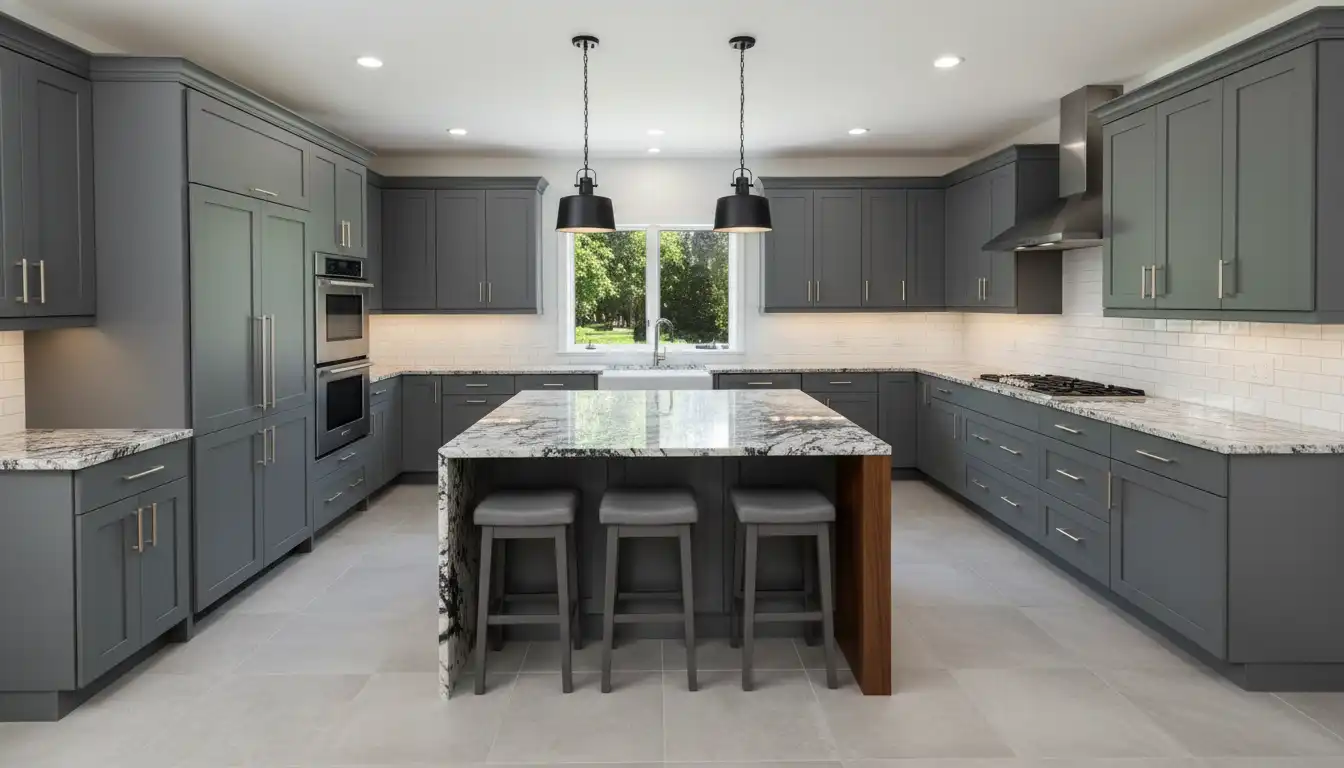
In an 11×13 kitchen, an L-shape provides ample room for a multi-functional island. This island can house the sink or cooktop, provide extra prep space, and include an overhang for casual bar-style seating, turning the kitchen into a hub of activity.
The U-Shape Layout: The Storage Powerhouse
For those who prioritize counter space and storage above all else, the U-shaped layout is an unbeatable option. It utilizes three walls for cabinets and appliances, creating a deep, encompassing workspace that puts everything within easy reach.
This layout offers an abundance of storage and a fantastic workflow, keeping the work triangle compact and uninterrupted. However, the main challenge is ensuring the kitchen doesn’t feel too enclosed. In an 11-foot-wide space, it’s vital to maintain an adequate walkway—ideally at least 42 to 48 inches—between the opposing cabinet runs.
To prevent a U-shaped design from feeling claustrophobic, consider using open shelving on one wall instead of bulky upper cabinets. Lighter color palettes for cabinets and countertops can also create a sense of openness. Maximizing natural light is key; using something like a window film that provides privacy but lets light in can keep the space bright without sacrificing seclusion.
The Galley Layout: The Efficiency Expert
A galley, or corridor, kitchen consists of two parallel walls of cabinetry with a walkway in between. This layout is renowned for its efficiency, as it creates a tight work triangle and minimizes movement between stations. It’s an excellent choice for serious cooks who value function over form.
While highly practical, the galley layout can sometimes feel constricted, especially if it serves as a major thoroughfare in the house. It’s generally not ideal for multiple cooks working at the same time. To make a galley layout feel more open, you can opt for floor-to-ceiling cabinetry on one side and only base cabinets on the other, creating a less imposing sightline.
The One-Wall Layout with a Super Island
A more contemporary approach for an 11×13 kitchen is the one-wall layout paired with a large, statement island. All major appliances and cabinets are consolidated along one 13-foot wall, while a substantial island runs parallel to it.
This design creates an incredibly open and airy feel, perfect for modern, open-concept homes. The island becomes the primary workspace for prep and cooking, and it can also serve as the main dining area. This layout requires meticulous planning for plumbing and electrical work in the island but offers a uniquely social and streamlined kitchen experience.
Maximizing Functionality in Your 11×13 Space
Once you’ve chosen a layout, the next step is to optimize every square inch with smart design choices. This involves clever storage, thoughtful workspace allocation, and strategic design elements that enhance both usability and perception of space.
Smart Storage Solutions Beyond Cabinets
In a medium-sized kitchen, making the most of storage is paramount. Vertical space is your greatest asset. Install cabinets that extend to the ceiling to store seasonal or less-frequently used items. Consider integrating smart storage solutions within your cabinetry.
Features like pull-out pantries, appliance garages to hide toasters and coffee makers, and deep drawers for pots and pans are game-changers. Drawer dividers for utensils and spices keep things organized and accessible. Don’t forget often-overlooked spaces, like toe-kick drawers at the very bottom of your base cabinets for storing flat items like baking sheets.
The Island vs. Peninsula vs. Dining Table Debate
The open space in an L-shaped or one-wall layout begs the question: what should fill it? An island, a peninsula, or a traditional dining table are all viable options. The right choice depends on your lifestyle, space, and priorities.
A peninsula is attached to a wall, offering a built-in feel and defining the kitchen’s boundary in an open-plan home. An island provides better traffic flow around it but requires more clearance. A dining table offers flexibility but less storage and prep space. The following table breaks down the considerations.
| Feature | Kitchen Island | Peninsula | Dining Table |
|---|---|---|---|
| Best For | Central workspace, casual seating, and storage. | Defining kitchen space, adding seating, and storage. | Flexible seating, formal dining, and an open feel. |
| Space Requirement | Requires at least 36-42 inches of clearance on all sides. | Requires less clearance as it’s attached on one end. | Highly flexible; can be pushed against a wall. |
| Functionality | Excellent for prep, storage, and socializing. Can house appliances. | Good for prep and seating, but can create a traffic bottleneck. | Primarily for dining; offers no additional prep or storage. |
Design & Aesthetic Tricks to Make 11×13 Feel Larger
Beyond the layout, visual tricks can have a significant impact on how spacious your kitchen feels. Color, lighting, and appliance choices all play a crucial role in creating a kitchen that feels open, bright, and inviting.
The Power of Color and Light
Light and bright is a classic mantra for small spaces for a good reason. Light colors reflect light, making a room feel bigger and more open. Consider whites, light grays, or soft blues for your cabinets and walls. Reflective surfaces, such as a glossy backsplash tile or polished countertops, can amplify this effect.
Lighting should be layered to ensure the space is well-lit and functional. Start with ambient lighting from ceiling fixtures, add focused task lighting under cabinets to illuminate countertops, and incorporate accent lighting, like pendants over an island, to add style and warmth.
Choosing the Right Appliances
Bulky appliances can quickly overwhelm an 11×13 kitchen. Opt for counter-depth refrigerators, which don’t protrude past the cabinetry, creating a seamless, built-in look. This single choice can save several inches of precious floor space and make walkways feel wider.
Consider smaller-profile appliances, such as 24-inch dishwashers or microwave drawers installed in a lower cabinet or island. Integrating appliances with panels that match your cabinetry is another excellent strategy to create a clean, uncluttered look that enhances the sense of space.
Planning Your 11×13 Kitchen Remodel
A successful remodel requires careful planning and budgeting. Understanding the scope of your project will help you decide where to invest and where you might be able to save.
Budgeting and Professional Help
The cost of a kitchen remodel can vary widely. A minor refresh might cost a few thousand dollars, while a full gut renovation with high-end materials can be significantly more. It’s wise to research options and gather quotes from different sources. For instance, reading through Lowe’s kitchen remodel reviews can provide insight into the costs and experiences associated with using a big-box store for your project.
Hiring a kitchen designer can be a worthwhile investment. They can help you avoid costly mistakes, maximize your space, and create a cohesive design that fits your vision and budget.
A Note on Structural Changes
While most kitchen remodels focus on the existing space, some ambitious projects involve structural changes to enhance the home’s overall flow. These go far beyond typical renovations and require specialized professionals.
For example, some homeowners undertake complex projects like needing to lower a basement floor to create more headroom in an adjacent living area. Such significant structural work always requires consultation with structural engineers and architects to ensure the home’s integrity is maintained.
Your Dream 11×13 Kitchen Awaits
An 11×13 kitchen holds immense potential. It is the perfect canvas for creating a space that is both hardworking and welcoming. It’s large enough to accommodate the most desirable features like an island and ample storage but small enough to remain efficient and manageable.
By choosing the right layout, incorporating smart storage solutions, and using design tricks to enhance the sense of space, you can transform your 143-square-foot kitchen into a stunning and highly functional hub. The key is thoughtful planning and a clear vision of how you want to live, cook, and gather in the heart of your home.
