
10 Foot Basement Ceiling Cost: The Shocking Truth Behind This Upgrade
That dark, cramped basement with a ceiling you can almost touch is a common homeowner’s nightmare. The dream of a spacious, airy lower level often includes one coveted feature: high ceilings. A 10-foot basement ceiling can transform a gloomy storage area into a luxurious and functional living space, perfect for a home theater, gym, or expansive family room.
But this desirable upgrade comes with a significant question mark attached to its price. The cost isn’t a simple calculation; it’s a complex equation that dramatically changes depending on one critical factor: whether you’re building a new home or renovating an existing one. Understanding this difference is the key to managing your budget and expectations.
You'll Learn About
New Construction vs. Renovation: Two Vastly Different Paths
Achieving a 10-foot basement ceiling is most straightforward and cost-effective during new home construction. In this scenario, the primary added costs are for taller foundation walls, which require more concrete, rebar, and labor. While not insignificant, these expenses are incremental additions to the overall build.
In contrast, creating a 10-foot ceiling in an existing home is a massive structural undertaking. It involves either lifting the entire house or, more commonly, digging down and underpinning the foundation. This process is complex, labor-intensive, and carries a much higher price tag due to the risks and specialized expertise required.
The High Cost of Digging Down: Underpinning Explained
For most homeowners looking to increase basement height, the project involves a process called underpinning. Underpinning is the method of strengthening and deepening the existing foundation of a house. This is not a weekend DIY project; it’s a major structural renovation that demands a team of professionals, including a structural engineer.
The process involves carefully excavating beneath the foundation in sequential sections, pouring new, deeper footings, and then constructing new foundation walls on top of them. This must be done in stages to ensure the home remains supported at all times. The complexity of this work, combined with the sheer volume of soil to be removed, is what drives the substantial cost.
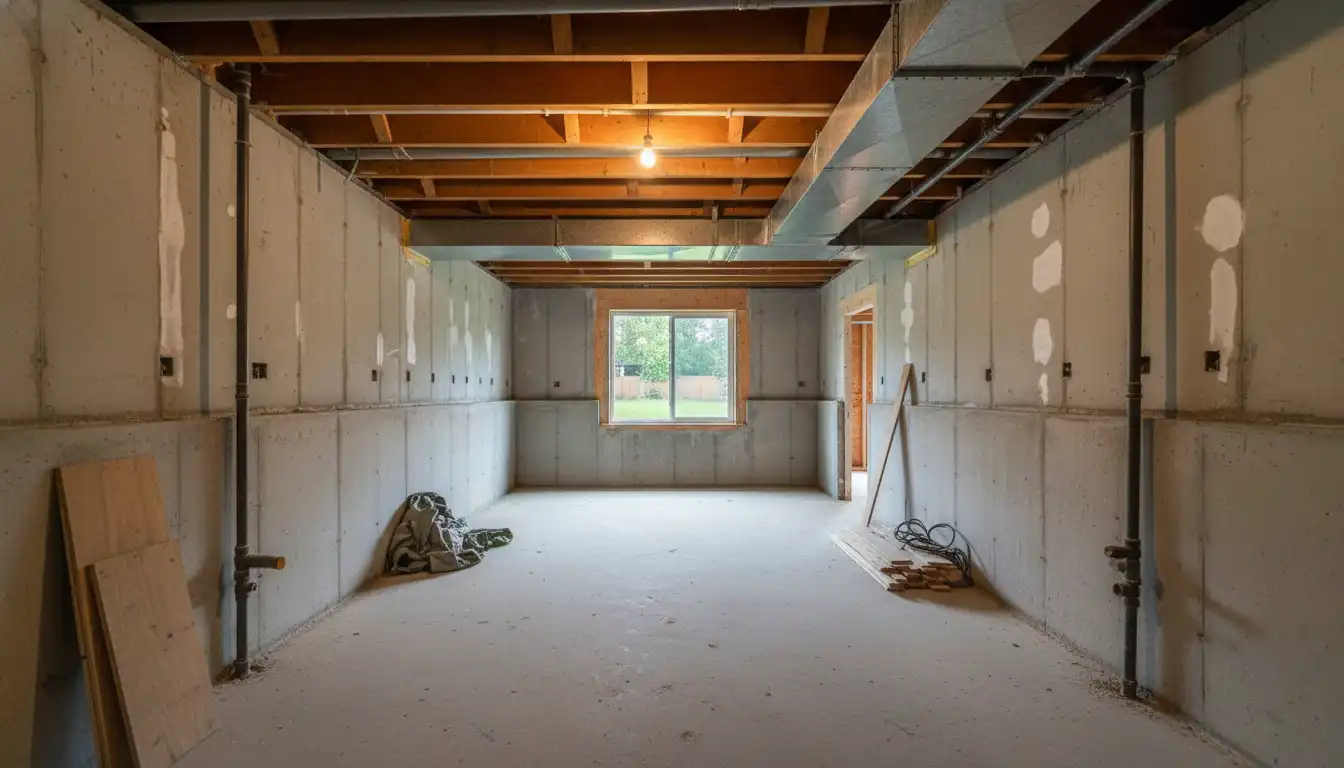
Breaking Down the Costs: What Are You Paying For?
Whether you’re building new or excavating an existing basement, the total cost is a sum of several key components. However, the price for each component varies wildly between the two scenarios. A project in a new build might add tens of thousands to the home’s cost, while a renovation can easily soar into six figures.
Engaging a structural engineer is non-negotiable, especially for a renovation. They will assess your home’s structure, soil conditions, and create the necessary plans for a safe and compliant project. These professional fees are a critical upfront investment in the safety and success of your renovation.
Key Cost Factors for a 10-Foot Basement Ceiling
Several variables will influence the final price tag for your project. Understanding these factors will help you get more accurate quotes from contractors and plan your budget effectively.
Major considerations include:
- Project Type: As established, new construction is vastly more affordable than renovating an existing home by digging down.
- Basement Size: The larger the footprint of your basement, the more materials and labor will be required for foundation walls, excavation, and finishing.
- Structural Engineer Fees: Expect to pay for detailed plans and inspections, which can range from a few thousand dollars to a larger percentage of a complex project.
- Relocating Utilities: Digging down almost always requires moving plumbing drains, water lines, and electrical conduits, which adds to the cost and complexity.
– Excavation Complexity: Soil conditions play a huge role. Rocky soil or a high water table will significantly increase excavation costs compared to stable, sandy soil.
| Cost Component | New Construction (Estimated Cost) | Renovation / Underpinning (Estimated Cost) |
|---|---|---|
| Structural Engineer Plans | $1,000 – $5,000 | $3,000 – $8,500+ |
| Taller Foundation Walls | $15 – $40 per sq. ft. increase | N/A (Included in Underpinning) |
| Excavation & Soil Removal | $5,000 – $15,000 | $20,000 – $50,000+ |
| Underpinning & New Footings | N/A | $70 – $200+ per square foot |
| New Concrete Slab | $5 – $10 per sq. ft. | $6 – $12 per sq. ft. |
| Plumbing & Electrical Relocation | Minimal | $5,000 – $15,000+ |
| Waterproofing & Drainage | $3,000 – $8,000 | $6,000 – $20,000+ |
Beyond the Obvious: Uncovering the Hidden Costs
Many homeowners budget for the big-ticket items like concrete and labor but are caught off guard by ancillary expenses. These “hidden” costs can quickly inflate your budget if not planned for in advance.
One of the most overlooked expenses is soil disposal. When you excavate a basement, you are left with tons of dirt that must be hauled away, and disposal sites charge significant fees. Another is the potential need for extensive waterproofing and a new sump pump system to handle moisture at a deeper level.
Don’t Forget About These Additional Expenses
A taller, larger basement volume also has long-term cost implications. The increased space will require more energy to heat and cool, potentially impacting your utility bills and requiring a review of your current HVAC system. You might find that the cost of a basement HVAC system needs to be factored into the overall project.
Furthermore, this substantial renovation will almost certainly increase your home’s assessed value, leading to higher property taxes. It’s a good problem to have, but one that should be anticipated. Finally, obtaining the correct permits is an absolute necessity and comes with its own set of fees.
Is the Investment Worth It? ROI and Livability
A 10-foot ceiling basement is a luxury feature, and its return on investment isn’t always dollar-for-dollar. While it undoubtedly adds significant “wow” factor and usability, the extremely high cost of a renovation project means you may not recoup the full amount upon resale.
The real return comes from the enhanced lifestyle it provides. For homeowners who plan to stay in their property long-term, the value of a bright, open, and fully functional lower level can be priceless. It effectively adds another story of high-quality living space to your home.
Smarter Alternatives to Achieve a Spacious Feel
If the cost of digging down is prohibitive, there are other ways to make a basement feel taller and more open. Strategic lighting is one of the most effective tools. For instance, installing a solar tube for a basement can flood the space with natural light, making it feel less subterranean and more expansive.
Other design tricks include painting the ceiling joists a bright white, using low-profile furniture, and installing recessed lighting instead of bulky fixtures. While these don’t add physical height, they create a powerful illusion of space for a fraction of the cost. You might also explore unique designs like an above ground basement in a new build, which can offer generous ceiling heights by design.
Frequently Asked questions
How much more does a 10-foot basement ceiling cost?
The cost of increasing a basement ceiling from a standard 9 feet to
10 feet can vary significantly depending on the builder and the size of
the basement. While some homeowners have reported quotes around $19,000
for a 1,500-square-foot basement, others have seen costs ranging from
approximately $10,000 to over $30,000. This price typically covers the
additional excavation, concrete for the foundation walls, and
potentially taller windows and doors.
Is a 10-foot basement ceiling worth the investment?
Whether a 10-foot basement ceiling is worth the cost is a subjective
decision for each homeowner. Many who opt for the extra height find it
makes the basement feel more like a main floor and less like a cellar,
which is especially beneficial for walk-out basements. Ultimately, the
decision depends on your budget and how you plan to use the space.
What are the main advantages of a 10-foot basement ceiling?
The primary advantage of a 10-foot basement ceiling is the creation
of a more open and inviting space, which can make it feel less like a
typical basement. This additional height is also practical for specific
uses, such as installing a golf simulator or accommodating tall exercise
equipment. Furthermore, it allows for more flexibility in finishing the
ceiling, as ductwork and plumbing can be concealed without making the
room feel cramped.
What are the potential disadvantages or challenges?
The most significant drawback is the increased construction cost due
to the need for more concrete and labor. Digging a deeper foundation can
also increase the risk of water issues depending on the local water
table and may necessitate the installation of a sump pump or ejector
pump for plumbing. Additionally, there can be other associated costs,
such as the need for larger doors and windows to maintain proper
proportions with the higher ceilings.
Will a 10-foot basement ceiling increase my home’s resale value?
While a finished basement, in general, can offer a good return on
investment, typically between 70% and 86%, the direct impact of a
10-foot ceiling on resale value is not explicitly quantified. However,
the spacious and more “livable” feel created by higher ceilings can be a
significant selling point, making your home more attractive to
potential buyers compared to homes with standard-height basements.
Final Verdict: A Project Not for the Faint of Heart
Achieving a 10-foot basement ceiling is a transformative project that can dramatically improve your home’s value and your enjoyment of it. In new construction, it’s a relatively straightforward and valuable upgrade to consider.
However, in an existing home, it is a massive and expensive undertaking that requires meticulous planning, a significant budget, and a team of qualified professionals. This is not a project to cut corners on. Always hire a licensed structural engineer and experienced foundation contractors to ensure the integrity and safety of your home. By carefully weighing the costs against the incredible benefits, you can decide if this luxurious upgrade is the right investment for your home and family.
