
1.5 Oven: The Genius Upgrade Your Cramped Kitchen Craves
Are you tired of juggling dishes in a single, overworked oven? Do you dream of hosting holiday dinners without the frantic scheduling of what gets cooked when? Many homeowners believe the only solution is a massive, space-consuming double oven, but they’re overlooking a more flexible and efficient alternative.
The problem isn’t just about cooking capacity; it’s about versatility. A standard oven is a one-size-fits-all appliance in a world of varied culinary needs. This is where the brilliant, often overlooked, 1.5 oven comes in, solving the kitchen workflow bottleneck that plagues so many households.
You'll Learn About
The Single Oven Struggle is Real
Let’s face it: the traditional single oven setup is flawed for the modern family. You might be trying to bake a cake at a delicate 175°C while your main course requires a robust 220°C. The result is a compromise where neither dish is cooked at its optimal temperature, leading to culinary disappointment.
This limitation becomes a full-blown crisis during holidays or dinner parties. The turkey monopolizes the oven for hours, leaving side dishes to be hastily warmed in the microwave, losing their texture and flavor. It’s a stressful juggling act that can take the joy out of cooking for loved ones.
Beyond Temperature Conflicts
The issues go beyond simple temperature clashes. A single large cavity is also incredibly inefficient for smaller meals. Heating a massive 70-liter space just to bake a couple of potatoes or warm up a slice of pizza is a significant waste of energy and time. It’s the equivalent of using a sledgehammer to crack a nut.
Furthermore, strong flavors can transfer between dishes when cooked simultaneously. Imagine your delicate apple crumble tasting faintly of the garlic-roasted chicken it shared the oven with. A single oven offers no solution for isolating distinct aromas and tastes, forcing you to cook dishes sequentially and extending your time in the kitchen.
Enter the 1.5 Oven: Your Kitchen’s New Best Friend
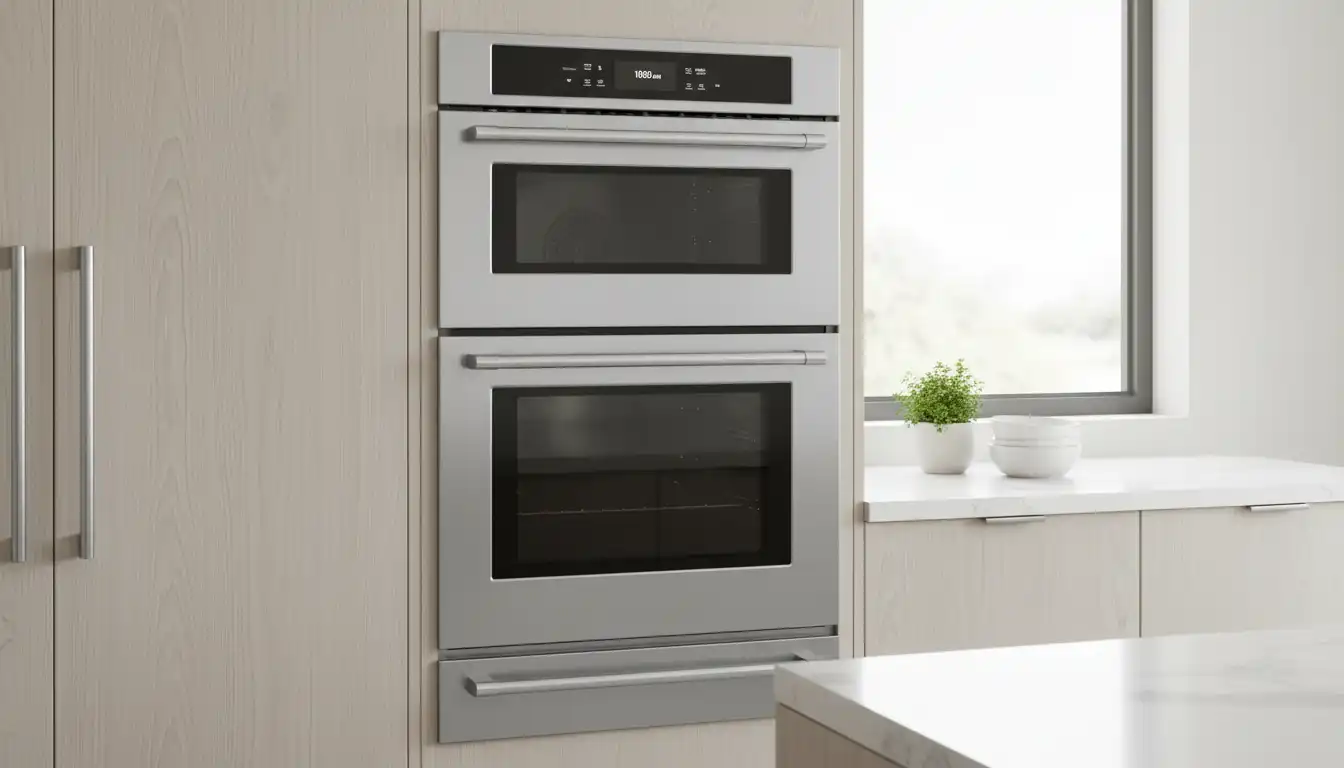
A 1.5 oven, also known as an oven and a half, is the elegant solution to these common frustrations. It typically consists of a full-sized main oven and a smaller, half-sized oven, usually positioned above the main cavity. This combination offers the ultimate in flexibility without demanding the same spatial commitment as a full double oven.
Think of it as having the best of both worlds. You get the large capacity you need for a holiday roast or multiple trays of cookies, plus a compact, efficient oven for smaller, everyday tasks. This dual-cavity setup empowers you to cook different dishes at different temperatures simultaneously, completely revolutionizing your meal preparation.
The Power of Two Cavities
The primary advantage of a 1.5 oven is the ability to multitask like a professional chef. You can be roasting vegetables in the main oven while grilling fish in the top oven. This means every component of your meal can be cooked to perfection and be ready to serve at the same time.
The smaller top oven is not just an auxiliary space; it’s a versatile powerhouse. It often functions as a conventional oven, a grill, and sometimes even a microwave, making it perfect for everything from cheese on toast to reheating leftovers. This versatility frees up your main oven and can even help declutter your countertops by reducing the need for other small appliances. For homeowners designing a new kitchen, pairing this appliance with a shallow depth countertop can maximize both cooking efficiency and physical workspace.
Choosing the Right 1.5 Oven for Your Home
When selecting a 1.5 oven, there are several key factors to consider to ensure it meets your specific needs. The configuration, features, and installation requirements are all crucial elements that will impact your daily cooking experience. Don’t rush the decision; a well-chosen oven is a long-term investment in your home’s functionality.
Start by evaluating your cooking habits. Are you an avid baker who needs precise temperature control? Do you frequently host large gatherings? Understanding how you cook will help you prioritize features and determine the right balance of capacity and functionality for your household.
Key Features and Considerations
Modern 1.5 ovens come packed with advanced features designed to make your life easier. Convection cooking in the main oven uses a fan to circulate hot air, resulting in faster and more even cooking. This is a must-have feature for serious home cooks who want consistent results every time.
Look for models with programmable timers and delay start functions. These allow you to set the oven to start and stop automatically, giving you more freedom and control over your schedule. Self-cleaning functions, such as pyrolytic or catalytic liners, are also worth considering, as they drastically reduce the time and effort required for maintenance.
| Feature | Primary Benefit | Ideal For |
|---|---|---|
| Main Convection Oven | Cooks food faster and more evenly by circulating hot air. | Roasting, baking multiple trays, and achieving consistent results. |
| Top Oven with Grill | Provides a second, smaller cooking space and grilling function. | Side dishes, smaller meals, grilling, and keeping food warm. |
| Programmable Timer | Allows you to set cooking durations and end times in advance. | Busy individuals who need to manage their time effectively. |
| Pyrolytic Self-Cleaning | Heats the oven to high temperatures, turning food residue to ash. | Homeowners who want to avoid harsh chemicals and manual scrubbing. |
| Telescopic Shelf Runners | Shelves glide out smoothly and safely, even when loaded. | Easily and safely checking on or removing heavy dishes. |
Installation: Ensuring a Perfect Fit
Proper installation is critical for the performance and safety of your 1.5 oven. These units are typically designed to be built-in, meaning they are installed directly into your kitchen cabinetry for a seamless, integrated look. This requires precise measurements and, in most cases, professional installation.
Before purchasing, you must carefully measure the designated cabinet space—height, width, and depth. Compare these measurements with the oven’s specification sheet to ensure a perfect fit. Remember to account for any necessary ventilation gaps recommended by the manufacturer.
Electrical and Cabinetry Requirements
A 1.5 oven is a powerful appliance that requires a dedicated electrical circuit. You will need a qualified electrician to ensure your kitchen’s wiring can handle the load and to install the correct outlet. Never attempt to install a built-in oven on a standard household circuit, as this poses a significant fire risk.
The surrounding cabinetry must also be able to withstand the heat generated by the oven. When planning your kitchen layout, it’s wise to consider the quality of your cabinets. High-quality options from reputable brands are essential for durability and safety in a modern kitchen; you might find yourself comparing UltraCraft vs KraftMaid for cabinetry that can support integrated appliances. Ensure that the cabinet materials and finishes are rated for the temperatures your new oven will produce.
Solving Common Oven Problems Before They Start
Even the best appliances can encounter issues. Understanding common oven problems can help you troubleshoot minor issues and know when to call a professional. One of the most frequent complaints is an oven that doesn’t heat to the correct temperature, leading to undercooked or burnt food.
This is often caused by a faulty temperature sensor or a malfunctioning heating element. Before calling for service, you can test your oven’s accuracy with a dedicated oven thermometer. If you find a significant discrepancy, the sensor may need to be repositioned or replaced.
Maintaining Your 1.5 Oven for Longevity
Regular maintenance is key to keeping your 1.5 oven in peak condition for years to come. Clean spills as soon as the oven has cooled down to prevent them from baking on and becoming difficult to remove. For models with a self-cleaning function, run the cycle every few months or as needed based on your usage.
Ensure the door seals are clean and intact. A damaged or dirty seal can allow heat to escape, reducing efficiency and affecting cooking performance. Periodically check that the oven racks are seated correctly and that any telescopic runners are functioning smoothly. Just as you’d maintain other essential home systems, like comparing Panasonic vs NuTone bathroom fans for proper ventilation, regular oven care is a small task that prevents larger problems.
The 1.5 Oven: A Smarter Way to Cook
Upgrading to a 1.5 oven is more than just adding extra cooking space; it’s about fundamentally improving your kitchen’s workflow and expanding your culinary possibilities. It offers a level of flexibility that a single oven cannot match, and it does so more efficiently and with a smaller footprint than a full double oven.
By allowing you to cook multiple dishes at different temperatures, you save time, reduce stress, and achieve better results. Whether you’re preparing a simple weeknight dinner or an elaborate holiday feast, the 1.5 oven is the smart, versatile solution that your home and garden blog readers have been waiting for.
